Jeep Cooling Systems and Overheating Prevention Across Jeep Models starts with understanding how heat moves through the engine. Every Jeep depends on a balanced cooling system to protect engine parts during daily driving, towing, highway trips, and off-road adventures.
From my experience studying Jeep repair patterns, most overheating issues are not caused by one major failure. Small problems like old coolant, weak airflow, clogged radiators, or failing thermostats often build up over time. Early checks can prevent expensive engine damage.

How Jeep Cooling Systems Work Across Different Models
Jeep Cooling Systems and Overheating Prevention Across Jeep Models depends on several parts working together. The radiator removes heat from coolant, while the water pump keeps coolant moving through the engine block and cylinder heads.
Modern Jeep models use electronic controls to monitor engine temperature. Sensors send information to the vehicle computer, which adjusts fan operation and other systems to maintain safe temperatures.
- ✦ Radiator
The radiator releases engine heat by moving hot coolant through cooling fins exposed to outside air.
- ✦ Cooling Fan
The fan improves airflow when the Jeep moves slowly or sits in traffic.
- ✦ Thermostat
The thermostat controls coolant flow and helps the engine reach proper operating temperature.
- ✦ Water Pump
The water pump circulates coolant to keep engine temperatures stable.
Why Cooling Design Changes Between Jeep Models
A Wrangler used for trail driving faces different cooling demands than a Grand Cherokee used for highway travel. Jeep engineers adjust cooling capacity based on engine size, vehicle weight, towing needs, and airflow design.
- ✦ Off-road conditions
Mud, dust, slow speeds, and steep climbs can reduce airflow and increase engine heat.
Common Causes of Jeep Overheating Problems
Jeep overheating usually happens when the cooling system cannot remove heat fast enough. A damaged component, poor maintenance, or extreme driving conditions can create temperature problems.
Many Jeep owners notice warning signs before serious damage occurs. Watching coolant levels and temperature changes can help catch issues early.

- ✦ Low Coolant Level
Low coolant reduces the system’s ability to transfer heat away from the engine.
- ✦ Blocked Radiator
A dirty or damaged radiator may restrict airflow and reduce cooling performance.
- ✦ Failed Thermostat
A stuck thermostat can prevent coolant from moving correctly through the engine.
- ✦ Weak Water Pump
A failing pump may not circulate enough coolant during demanding driving.
Signs Your Jeep Cooling System Needs Attention
Common warning signs include rising temperature gauges, coolant leaks, steam from the engine bay, unusual smells, and frequent coolant refills.
- ✦ Temperature Gauge Movement
A gauge that climbs above normal levels may indicate reduced cooling performance.
Jeep Wrangler Cooling Systems and Overheating Prevention
Jeep Wrangler models are built for challenging environments, but heavy trail use can place extra stress on the cooling system. Slow crawling, deep mud, and hot weather reduce natural airflow.
Jeep Cooling Systems and Overheating Prevention Across Jeep Models is especially important for Wrangler owners who add larger tires, lift kits, winches, or aftermarket accessories that may affect airflow.

- ✦ Check Radiator Airflow
Remove debris, mud, and dirt that can block airflow through the radiator.
- ✦ Maintain Correct Coolant
Use the correct coolant type recommended for the specific Wrangler engine.
Wrangler JK and JL Cooling Considerations
JK and JL Wranglers use advanced cooling controls, but modified vehicles may need additional attention. Larger engines and increased load from accessories can create more heat.
- ✦ Aftermarket Upgrades
Cooling upgrades should match the Jeep’s engine needs and driving conditions.
Cooling System Differences Across Jeep Cherokee and Grand Cherokee Models
Cherokee and Grand Cherokee models combine daily comfort with off-road ability. Their cooling systems must handle city traffic, highway speeds, towing, and temperature changes.
Older Jeep platforms may need more frequent inspection because aging hoses, radiators, and cooling fans can slowly lose efficiency.

- ✦ Inspect Cooling Hoses
Old hoses can crack, leak, or collapse and reduce coolant circulation.
- ✦ Check Electric Fans
Electric fan problems can cause overheating during slow driving or traffic.
Older Jeep Cherokee XJ Cooling Challenges
The Cherokee XJ is known for durability, but age-related cooling issues are common. Radiator condition, fan operation, and coolant quality are key areas to monitor.
- ✦ Regular Inspection
Older cooling systems benefit from scheduled checks before summer driving.
Jeep Gladiator and Heavy-Duty Cooling Requirements
The Jeep Gladiator combines pickup truck capability with Jeep off-road performance. Towing, hauling, and long climbs create higher cooling demands.
Jeep Cooling Systems and Overheating Prevention Across Jeep Models requires owners to consider workload. A Gladiator pulling a trailer needs more cooling attention than a lightly used daily driver.

- ✦ Monitor Temperature Under Load
Watch engine temperature during towing, steep climbs, and hot weather trips.
- ✦ Maintain Cooling Components
Clean radiators and inspect cooling fans regularly.
Preventing Heat Stress During Towing
Heavy loads increase engine work and create more heat. Proper maintenance helps the cooling system manage these conditions safely.
- ✦ Pre-Trip Checks
Inspect coolant levels, hoses, and temperature readings before long trips.
Best Maintenance Practices for Preventing Jeep Overheating
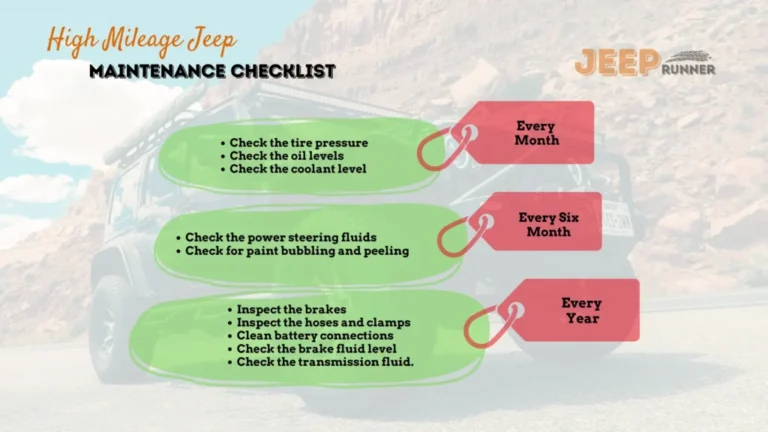
The best way to avoid cooling problems is routine maintenance. A cooling system should be checked before problems appear, not after the temperature warning light turns on.
Simple habits can extend engine life and improve reliability during extreme weather conditions across the United States.

- ✦ Change Coolant on Schedule
Fresh coolant protects against corrosion and maintains heat transfer.
- ✦ Inspect Belts and Hoses
Damaged belts or hoses can quickly create cooling failures.
- ✦ Clean the Radiator Area
Remove dirt, leaves, and debris that block airflow.
Seasonal Jeep Cooling Checks
Summer heat creates extra stress on cooling systems. Before road trips, check fluid levels and inspect for leaks.
- ✦ Hot Weather Preparation
Prepare your Jeep before high-temperature driving or long-distance travel.