The Jeep Wrangler Engine Oil System Oil Pressure and lubrication system is one of the most important parts of engine health. Whether you drive a Wrangler through city traffic, highways, trails, or hot summer conditions across the United States, clean oil flow keeps internal parts working smoothly.
From years of studying Jeep maintenance issues, one common lesson is clear: many expensive engine repairs start with ignored oil problems. Understanding oil pressure, lubrication, sensors, and maintenance helps Wrangler owners protect their investment.

How the Jeep Wrangler Engine Oil System Works
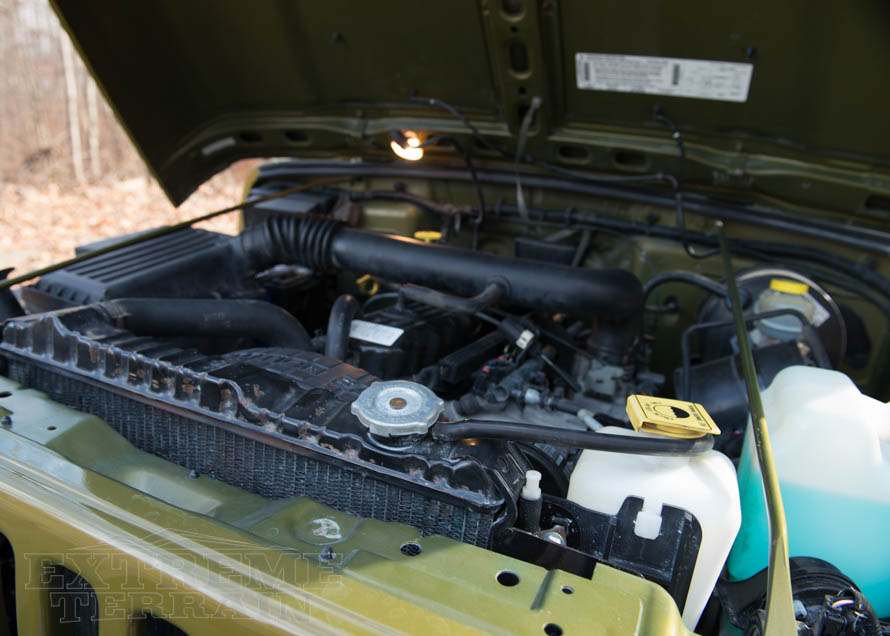
The Jeep Wrangler Engine Oil System Oil Pressure and Lubrication process begins inside the oil pan. The oil pump pulls oil from the pan and sends it through passages inside the engine.
Pressurized oil reaches bearings, camshafts, pistons, and other moving parts. The oil creates a thin protective layer that reduces friction and heat.
- ✦ Oil pump
The oil pump creates the pressure needed to move oil throughout the engine.
- ✦ Oil passages
Small internal channels deliver oil to areas that need protection.
- ✦ Oil filter
The filter removes dirt and particles before oil reaches sensitive engine parts.
Why lubrication matters
Engine parts move thousands of times per minute. Without proper lubrication, metal surfaces can wear quickly and create excessive heat.
- ✦ Reduced friction
Oil allows moving parts to operate with less resistance.
Understanding Jeep Wrangler Oil Pressure
Oil pressure shows how well oil moves through the engine. The correct pressure range depends on engine design, oil temperature, and operating conditions.
A healthy Jeep Wrangler Engine Oil System Oil Pressure and Lubrication setup maintains steady oil flow during idle and driving. Sudden pressure drops can indicate a problem that needs attention.

- ✦ Normal operation
Oil pressure changes as engine speed and temperature change.
- ✦ Low pressure warning
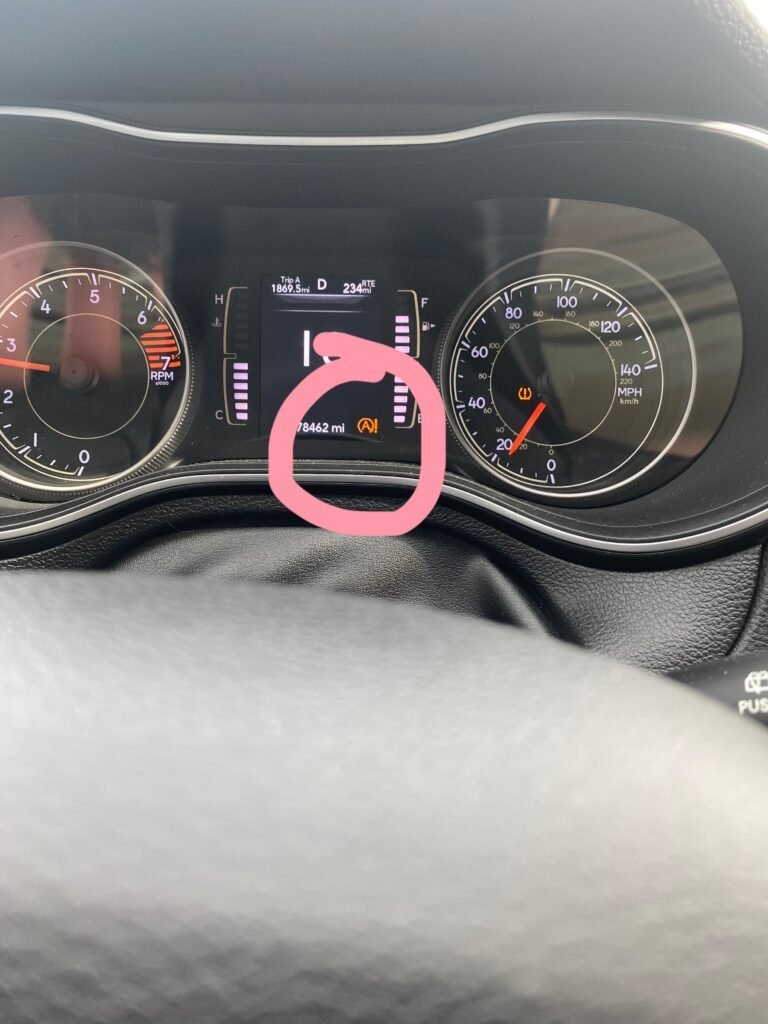
A warning light may indicate low oil level, sensor failure, or mechanical problems.
Oil pressure sensor role
The oil pressure sensor monitors pressure levels and sends information to the vehicle computer. A faulty sensor can create false warnings.
- ✦ Sensor inspection
Checking wiring and sensor condition helps diagnose warning messages.
Common Jeep Wrangler Oil Pressure Problems
Oil pressure issues can come from simple maintenance mistakes or deeper engine problems. Finding the cause early can prevent major repair costs.
The Jeep Wrangler Engine Oil System Oil Pressure and Lubrication system depends on correct oil level, clean oil passages, and working components.

- ✦ Low oil level
Not enough oil can prevent the pump from maintaining proper pressure.
- ✦ Dirty oil filter
A blocked filter can reduce oil flow.
- ✦ Worn oil pump
A weak pump may fail to maintain pressure.
Signs of oil system trouble
Common signs include oil warning lights, engine noise, ticking sounds, leaks, and unusual temperature changes.
- ✦ Warning lights
Never ignore an oil pressure warning because lubrication problems can become serious quickly.
Choosing the Right Jeep Wrangler Engine Oil
Using the correct oil grade helps the Jeep Wrangler Engine Oil System Oil Pressure and Lubrication system perform correctly. Owners should follow the specifications listed in their owner’s manual.
Modern Wrangler engines may require different oil grades depending on the engine model and year.

- ✦ Follow manufacturer recommendations
The owner’s manual provides the correct oil type and service requirements.
- ✦ Use quality oil filters
A good filter supports cleaner oil circulation.
Oil change habits
Regular oil changes remove contaminants and help maintain reliable engine performance.