Clean mud by scraping, rinsing, pressure washing, and protecting metal quickly and safely.
I’ve cleaned dozens of Jeeps after muddy runs and built this guide from hands-on work and shop-tested methods. This article explains how to clean mud from Jeep undercarriage with clear steps, safety tips, tools, and rust-prevention tactics so you can protect your vehicle and avoid costly damage.
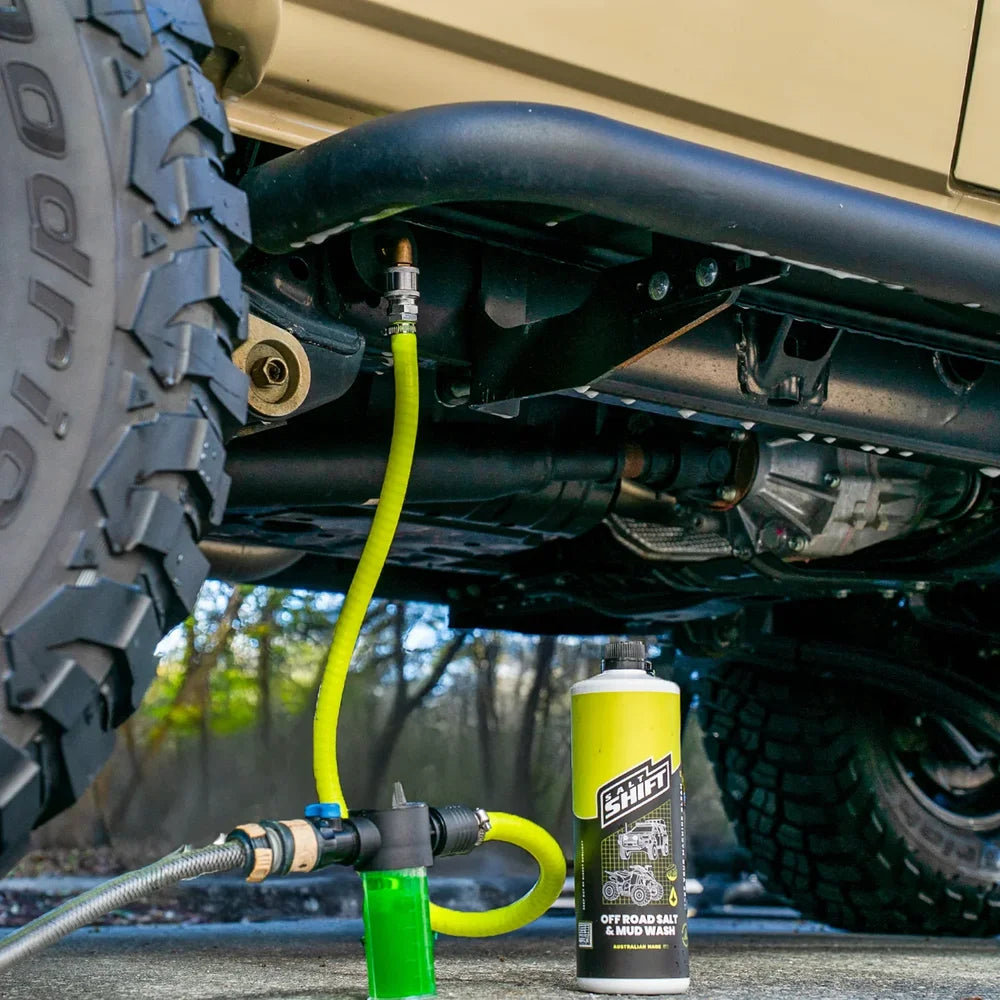 cleaning mud from your Jeep undercarriage matters”
style=”max-width: 100%; height: auto; border: 2px solid black; border-radius: 10px; display: block; margin: 0 auto;”
loading=”lazy”
/>
Why cleaning mud from your Jeep undercarriage matters
Mud holds water, salt, and grit against metal. Left in the frame and on components, it speeds up rust and wears out parts. Cleaning mud from Jeep undercarriage helps brakes, suspension, exhaust, and steering last longer. It also helps you spot damage, leaks, or loose parts early.
 supplies you’ll need”
style=”max-width: 100%; height: auto; border: 2px solid black; border-radius: 10px; display: block; margin: 0 auto;”
loading=”lazy”
/>
Tools and supplies you’ll need
Below are the basic tools. They make cleaning mud from Jeep undercarriage faster and safer.
- Pressure washer or strong hose with nozzle for rinsing.
- Stiff brush and soft brush for scrubbing.
- Plastic scraper or putty knife for caked mud.
- Automotive soap or biodegradable degreaser.
- Jack, jack stands, or ramps for safe access.
- Towels, rags, and a drip pan.
- Rust inhibitor or undercoating spray.
- Gloves, eye protection, and a flashlight.

Step-by-step guide: how to clean mud from Jeep undercarriage
Follow these simple steps to remove caked mud and protect parts.
- Park on level ground and cool the Jeep. Turn off the engine and let hot parts cool. Safety first.
- Lift the Jeep if needed. Use ramps or jack stands. Never work under a Jeep supported only by a jack.
- Remove large clumps by hand or with a plastic scraper. This makes rinsing easier. Wear gloves.
- Rinse loose mud with a low-angle pressure washer or hose. Keep the nozzle at least 12 inches from parts. Don’t aim high-pressure directly at seals, bearings, or electrical connectors.
- Apply automotive soap or biodegradable degreaser to caked areas. Let it soak for a few minutes to loosen mud.
- Scrub with a stiff brush in short strokes. Pay attention to frame rails, skid plates, control arms, and wheel wells.
- Rinse again until runoff runs clear. Check behind skid plates and crossmembers for trapped mud.
- Remove wheels for deep cleaning if mud is inside brake areas. Clean calipers, rotors, and hubs carefully.
- Dry exposed metal and moving parts with towels or compressed air. Moisture left behind accelerates rust.
- Apply a rust inhibitor or undercoating to cleaned metal. Reinstall any removed parts and lower the Jeep.
This step list shows how to clean mud from Jeep undercarriage end-to-end. Repeat every few outings or after heavy mud.

Safety tips and common mistakes
Simple precautions prevent damage and injury. Avoid these common errors when you clean mud from Jeep undercarriage.
- Do not go under the Jeep without jack stands. That is unsafe.
- Avoid blasting high-pressure water into wheel bearings and electrical connectors. It can force water where it shouldn’t go.
- Don’t use a metal scraper on painted surfaces. It can gouge and expose bare metal.
- Avoid harsh solvents on rubber and plastic parts. They can dry and crack seals.
- Don’t skip drying. Moisture left in crevices causes rust fast.

Deep cleaning, rust prevention, and maintenance
A deeper clean protects value and function. These methods help after mud exposure.
- Inspect for trapped mud in frame channels and behind skid plates. Remove with brushes or a small hose.
- Use rust converter on any surface with surface rust, then coat with rust inhibitor.
- Apply rubber-safe protectant to bushings and hose covers.
- Grease fittings and suspension joints after cleaning. Clean surfaces allow better lubrication.
- Consider a seasonal undercoating if you regularly cross wet trails. It adds long-term protection.
How to clean mud from Jeep undercarriage also includes regular checks. Do a quick undercarriage look after every muddy drive. Catch issues early.

Real-life tips from the trail
I once returned from a weekend trail ride with packed mud inside the rear frame. I missed it at first and later found surface rust forming. Since then I always remove the wheels and clean inside the frame pockets. Other lessons I learned:
- Take photos before you lift the Jeep. They help me remember where mud hides.
- Use hot water sparingly. It loosens mud faster but can warp warm components if used on a hot exhaust.
- If you hear a new noise after cleaning, check torque on skid plates and bolts. I once had a loose skid plate after a quick wash.
These small habits cut repair time and keep a Jeep solid for many seasons.

Frequently Asked Questions of how to clean mud from jeep undercarriage
How often should I clean mud from Jeep undercarriage?
Clean after any heavy mud run and give the undercarriage a quick rinse after wet drives. A full deep clean every few months is a good routine for regular off-road use.
Can pressure washing damage my Jeep?
Yes, high-pressure water can force into seals and electrical parts. Use a moderate setting and keep the nozzle at a safe distance to avoid damage.
Is it safe to use degreasers on brakes?
Avoid spraying degreaser directly on brake surfaces. Clean brake areas with water and a dedicated brake cleaner if needed, then let them dry fully.
Will mud cause rust quickly?
Mud that stays wet against metal accelerates rust. Salt and grit in mud speed corrosion, so remove mud promptly and dry metal parts.
Do I need to remove wheels to clean the undercarriage?
Removing wheels is not always required but it gives the best access to inner wheel wells, brakes, and hubs. It’s a good idea after heavy mud pack.
Can I use household cleaners for undercarriage mud?
Household cleaners can harm rubber and plastic. Use automotive soaps or biodegradable degreasers formulated for vehicles.
Conclusion
Cleaning mud from Jeep undercarriage protects parts, prevents rust, and helps you find problems early. Use the right tools, work safely, and follow the step-by-step routine to keep your Jeep strong. Start with a simple rinse after every muddy drive and do a deep clean when mud is packed. Try the tips above on your next outing and leave a comment about your best trail-cleaning hack.