List essentials, safety items, spares, tools, recovery gear, and a clear trip plan to build your off-road Jeep checklist.
I’ve been building and testing off-road checklists for years. This guide explains how to build an off road jeep checklist step by step. Read on for clear examples, reusable templates, safety advice, and real-life tips to make every trip safer and smoother.
Why you need a checklist before hitting the trail
A checklist saves time and prevents mistakes. It keeps you ready for breakdowns, weather, and surprises. A solid off-road checklist reduces risk and helps you focus on driving and having fun.
I learned this after a desert trip where a loose battery cable nearly ended the day. A checklist would have caught it. Use this guide to learn how to build an off road jeep checklist that fits your rig and trips.
 categories every off-road jeep checklist needs”
style=”max-width: 100%; height: auto; border: 2px solid black; border-radius: 10px; display: block; margin: 0 auto;”
loading=”lazy”
/>
Core categories every off-road jeep checklist needs
Organize your list into clear groups. Each group covers a side of preparedness.
- Vehicle basics: fluids, battery, belts, hoses, and tire condition.
- Safety gear: first aid kit, fire extinguisher, and communication devices.
- Recovery gear: tow straps, shackles, hi-lift jack, and traction boards.
- Tools and spares: socket set, pliers, spare belts, fuses, and bulbs.
- Camping and comfort: water, food, shelter, and warm clothing.
- Navigation and planning: maps, GPS, trail permits, and planned checkpoints.
Group items to match trip length and terrain. This helps when you pack or inspect your Jeep before departure.

How to build an off road jeep checklist: step-by-step
Follow these steps to create a checklist you will actually use.
-
Define the trip type and duration.
- Day drive, weekend overland, or multi-day expedition. Pick one.
- Trip type changes what gear you need.
-
Inspect the Jeep and note baseline items.
- Check tires, brakes, fluids, battery, and lighting.
- Record current mileage and any known issues.
-
List safety and recovery items by priority.
- Prioritize items that prevent or fix common failures.
- Add specialized gear for rock crawling, sand, or mud.
-
Add tools and spares tailored to your Jeep model.
- Study your Jeep’s weak spots from experience or forums.
- Include the rare parts you can replace roadside.
-
Create pre-trip, on-trail, and post-trip sections.
- Pre-trip checks confirm readiness.
- On-trail checks and routines help maintain safety.
- Post-trip notes capture issues and restock needs.
-
Test and refine the checklist after each trip.
- Cross off unneeded items.
- Add items you missed in the field.
I repeat this process for every new trail. That routine taught me how to build an off road jeep checklist that is lean but complete.

Quick PAA-style questions and answers
How often should I update my checklist?
Update before major upgrades or after a trip where you needed something not on the list. Small tweaks after every trip keep the checklist practical.
What’s the single most important recovery item?
A rated tow strap and two quality shackles are top priorities. They let you get unstuck safely with help from others.
Should I carry spares for everything?
Carry spares for parts that commonly fail on your Jeep and items that are costly or impossible to find on the trail. Avoid overloading with rare parts you’ll never use.
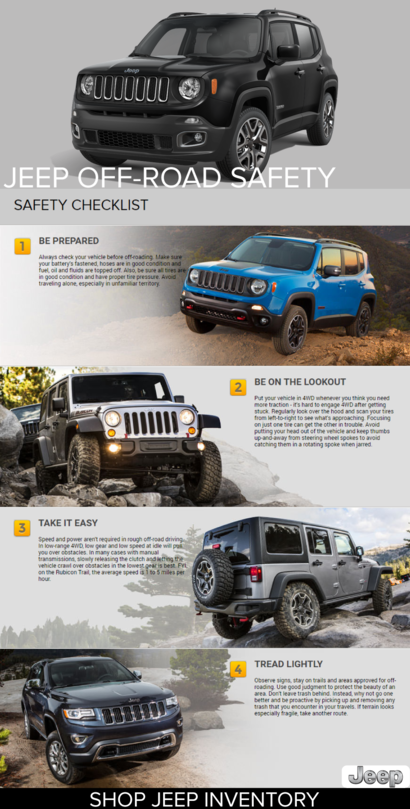
Sample checklists and printable templates
Here are compact templates you can adapt. Use them as starting points.
Short day trip checklist
- Tires: pressure, tread, and spare ready.
- Fluids: oil, coolant, brake fluid.
- Safety: phone, charger, small first aid kit.
- Recovery: strap, shackles, gloves.
- Tools: multi-tool, socket set, flashlight.
Weekend overland checklist
- Everything from day trip list.
- Camping: shelter, stove, extra water.
- Spares: alternator belt, hoses, fuses.
- Comfort: warm layers, toiletries, insect repellent.
Extended expedition checklist
- Everything from weekend list.
- Extra fuel and water storage.
- Full tool kit and larger spare parts.
- Communication: satellite messenger or CB radio.
Keep a digital copy on your phone and a printed copy in the glove box. Test each template on short trips to tune what you really need.
Maintenance, safety checks, and best practices
Daily habits prevent problems. Short checks before every trip save hours later.
-
Pre-trip inspection routine
- Walk around the Jeep and look for leaks, loose hardware, and damaged tires.
- Verify fluid levels and battery terminals.
-
On-trail maintenance routine
- Stop at intervals to check tire pressures and temperature.
- Listen for new noises and inspect suspension after rough sections.
-
Post-trip routine
- Clean mud and debris from undercarriage.
- Log issues and restock used items from the checklist.
Safety-first mindset
- Tell someone your route and ETA.
- Carry redundancy: at least two ways to communicate or navigate.
- Practice recovery and first-aid skills before a real need arises.
These habits make your checklist a living tool instead of a static list.
Personal lessons and common mistakes to avoid
I once skipped a small tool to save space. That tool was needed to remove a broken bolt and cost us three hours. Learn from my mistakes.
-
Mistake: Overpacking nonessential gear.
- Tip: Prioritize items that fix common failures.
-
Mistake: Ignoring small sounds.
- Tip: Note and check any new noise early.
-
Mistake: Not training with recovery gear.
- Tip: Practice rigging straps and using a jack on level ground.
Small fixes and habits make the difference between a short delay and a ruined trip.
Frequently Asked Questions of how to build an off road jeep checklist
What basic items should I include for a short trail ride?
Include tire pressure gauge, spare tire, basic tools, tow strap, first aid kit, water, and phone charger. These items handle most short-trip needs.
How do I choose recovery gear for my Jeep?
Match recovery gear to your vehicle weight and typical terrain. Choose rated straps, proper shackles, and a reliable jack for your Jeep’s weight.
How often should I inspect my Jeep before off-roading?
Do a quick inspection every time you plan to go off-road and a full check before long trips. Regular checks catch wear before it fails on trail.
Can I rely on other riders for tools and recovery?
Rely on others only as a backup. Always carry your core recovery gear and tools to remain self-sufficient.
How do I keep the checklist updated after upgrades?
Review the checklist after each upgrade. Add new spare parts, tools, or consumables required by the new equipment.
Conclusion
A clear checklist makes off-roading safer and more fun. Follow the steps here to define trip needs, group essentials, build templates, and refine after each run. Start small. Test on short trips. Improve the list with real experience. Now take a few minutes to draft your own checklist, save a copy in your glove box, and hit the trail prepared. Share your best checklist tips or ask a question below to keep learning.