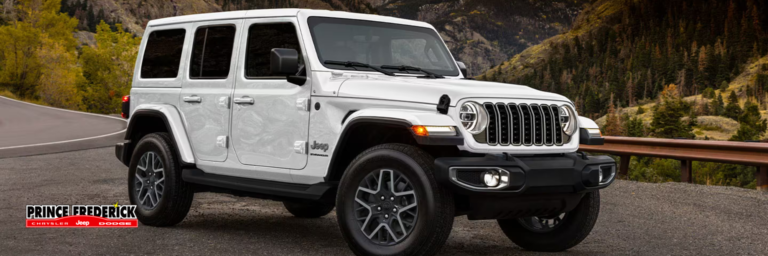
Replace blown bulbs, check fuses, test wiring, and clean sockets to restore Jeep tail lights.
I’ve worked on Jeeps and other vehicles for years, so I know the common tricks and steps for how to fix jeep tail lights not working. This guide walks you through clear diagnostics, safe repair steps, and smart prevention. You’ll learn simple checks, the right tools, and real fixes you can do at home or with a mechanic. Read on to get your tail lights reliable again and avoid costly mistakes.
Common reasons your Jeep tail lights stop working
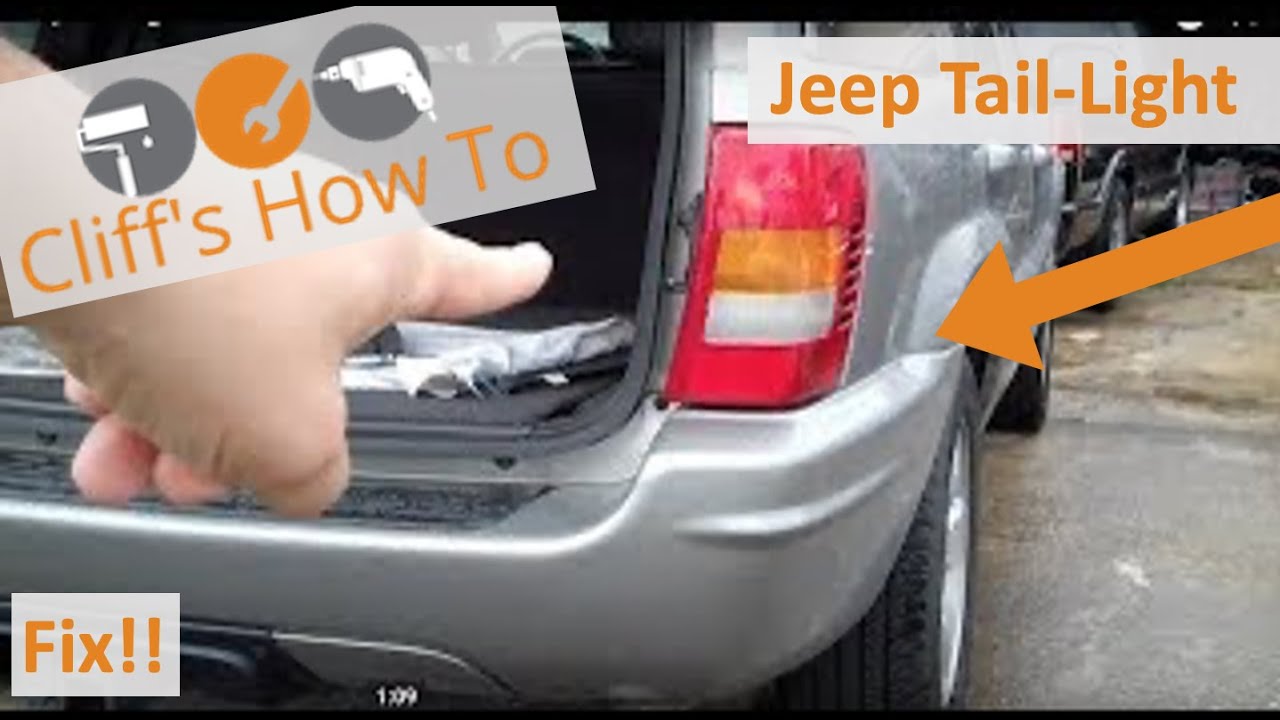
Tail lights fail for many simple reasons. Knowing the cause speeds repair and keeps you safe on the road. Here are the most common issues to check first when considering how to fix jeep tail lights not working.
- Blown bulbs. Heat and time make filaments fail.
- Blown fuses. Short circuits or surges trip fuses.
- Faulty sockets. Corrosion or damage prevents contact.
- Wiring problems. Chafed wires or loose connectors break circuits.
- Bad ground. A poor ground connection stops current flow.
- Switch or module failure. Brake light switch or body control module can fail.
- Aftermarket issues. Poor LED conversions or adapters cause problems.
Diagnosing the right cause saves time and money. I’ve seen blown fuses blamed for wiring faults and vice versa. Start simple and work outward.

Tools and safety checklist before you start
Use the right tools. Safety matters when you work on electrical systems. This list will help you prepare to fix your Jeep tail lights.
- Basic hand tools. Screwdrivers, ratchet set, pliers, and trim tools.
- Multimeter. Essential for voltage and continuity tests.
- Replacement bulbs and fuses. Bring OEM or quality aftermarket parts.
- Dielectric grease. Protects contacts from moisture.
- LED-compatible resistor or flasher if converting to LED.
- Gloves and eye protection. Keep hands and eyes safe.
- Service manual or wiring diagram. Helpful for model-specific circuits.
Always disconnect the battery when working on wiring. Short circuits can burn wires. Wear gloves when handling hot bulbs.
Step-by-step diagnostics for how to fix jeep tail lights not working
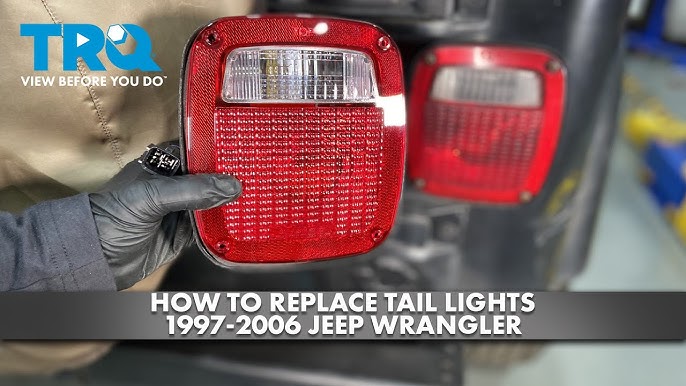
A methodical check helps you find the problem fast. Follow these steps to diagnose the tail light issue.
- Visual check. Inspect bulbs, sockets, and connectors for visible damage.
- Test bulbs. Remove the bulb and test it against a known good socket or use a multimeter for continuity.
- Check fuses. Locate the fuse box and inspect tail light and tail stop fuses. Replace if blown.
- Test voltage at socket. With the tail lights on, use a multimeter to check for 12V at the socket.
- Test ground. Measure continuity from socket ground to chassis. A bad ground shows high resistance.
- Check switch and circuits. Test brake light switch at the pedal and inspect wiring harnesses for damage.
- Scan modules. If you have access, check the body control module for fault codes that affect tail lights.
These steps cover most scenarios for how to fix jeep tail lights not working. If voltage is present and the bulb still doesn’t light, the bulb or socket is the culprit. If voltage is absent, trace back to fuses, relays, switches, or wiring.
Fixing specific tail light problems
Once you’ve found the cause, use the appropriate fix below. These are practical, proven repairs for Jeep tail lights.
Bulb replacement
- Remove the lens or access panel and pull the bulb straight out.
- Replace with the correct bulb type and wattage listed in your owner’s manual.
- Test the light before reinstalling the lens.
Fuse and relay fix
- Replace blown fuses with the same amperage.
- Inspect relays for clicks when lights activate. Swap with a similar relay to test.
- Confirm no repeated fuse blows—recurrent blowing suggests a short.
Socket and connector repair
- Clean corroded contacts with contact cleaner and a small brush.
- Apply dielectric grease to prevent future corrosion.
- Replace damaged sockets or terminals to ensure a solid fit.
Wiring and ground repair
- Repair frayed insulation with heat-shrink tubing or replace the wire section.
- Ensure grounds are clean, tight, and rust-free. Scrape paint to bare metal if needed.
- Use proper crimps and solder for reliable joins.
Module and switch issues
- Test the brake light switch with a multimeter when the pedal is pressed.
- If the BCM or lighting module is faulty, seek dealer or professional diagnostics and replacement.
- Reprogramming or coding may be required after module replacement.
LED conversion tips
- Use resistors or LED-specific adapters to prevent hyper-flashing and error codes.
- Choose quality LED bulbs that match the socket and connector type.
- Check compatibility with your Jeep’s electrical system before upgrading.
These targeted fixes cover most needs for how to fix jeep tail lights not working. I once replaced a corroded socket on a Cherokee that looked fine at first glance—cleaning and grease solved it for good.

Testing and verifying repairs
After repairs, test each function. This ensures your fix fully resolves the issue.
- Test tail lights with headlights on, brake lights by pressing the pedal, and turn signals.
- Have a friend confirm operation while you observe wiring or use your phone camera.
- Recheck fuses and voltages after the repair to confirm no hidden shorts.
- Take a short drive at night to verify visibility and signal performance.
Document the repair steps and parts used. This helps if the problem returns or for future maintenance. If lights still fail intermittently, professional diagnostics may be needed.
Preventative maintenance and tips to avoid future failures
Small habits keep tail lights working longer. Use these tips to reduce future issues when dealing with how to fix jeep tail lights not working.
- Inspect lights monthly for cracks and moisture.
- Replace bulbs in pairs to keep light level even.
- Use dielectric grease on connectors and sockets.
- Keep a small fuse kit and spare bulbs in the vehicle.
- Address any electrical mods carefully and use proper adapters.
Regular checks cut down emergency repairs and improve safety. I recommend a quick tail light test whenever you refuel or stop for coffee.

Personal experience, mistakes to avoid, and practical tips
I’ve repaired dozens of Jeeps over the years. Here are real lessons I’ve learned working on how to fix jeep tail lights not working.
- Mistake: Replacing bulbs without testing the socket. Always verify voltage first.
- Tip: Use OEM bulbs when possible. Cheap bulbs burn out faster.
- Mistake: Ignoring moisture in the lens. It leads to corrosion and socket failure.
- Tip: If fuses blow repeatedly, trace the wiring instead of simply replacing fuses.
- Story: Once I chased a wiring fault for hours that was a loose ground under the bumper. A quick tug and clean solved it.
These practical tips save time and money. They reflect real troubleshooting done on roadside fixes and garage repairs.
Frequently Asked Questions of how to fix jeep tail lights not working
Why do my Jeep tail lights stop working only at night?
Tail lights are tied to the headlight switch. A faulty switch or dimmer circuit can cause night-only failures. Check the headlight switch and related fuses first.
How do I test a tail light socket quickly?
Remove the bulb and use a multimeter to check for 12 volts at the power pin and continuity to ground. No voltage means trace back to fuse or wiring.
Can I replace a tail light bulb with an LED?
Yes, but ensure LEDs match the socket and use resistors or load equalizers if needed to prevent flash errors. Verify compatibility with your Jeep’s electrical system.
What if fuses keep blowing after replacing a bulb?
A repeated blown fuse indicates a short or wrong bulb wattage. Inspect wiring for pinches, melted insulation, or exposed conductors.
Is it safe to drive with tail lights not working?
Driving without functioning tail lights is unsafe and illegal in many areas. Use hazard lights and avoid nighttime driving until you fix the lights.
Conclusion
Tail light problems are usually fixable with a clear diagnosis, the right tools, and basic electrical checks. Follow the step-by-step process here for how to fix jeep tail lights not working: start with bulbs and fuses, test sockets and grounds, repair wiring properly, and use quality parts. Take your time, stay safe, and document what you do. Try these repairs yourself or use this guide to talk confidently with a mechanic. If this helped, subscribe for more vehicle repair tips or leave a comment about your Jeep repair story.