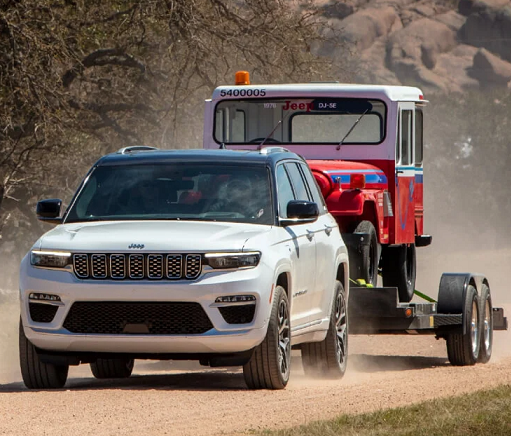
Use an OBD-II scanner or app to read and erase codes safely in minutes.
I have worked on Jeeps for years and helped many owners learn how to clear jeep trouble codes the right way. This guide walks you through the full process. You will learn what the codes mean, which tools to use, step-by-step methods to clear codes, when not to clear them, and how to verify fixes. I mix clear, simple steps with real-world tips from my garage experience so you can act with confidence.
Understanding Jeep trouble codes and diagnostics
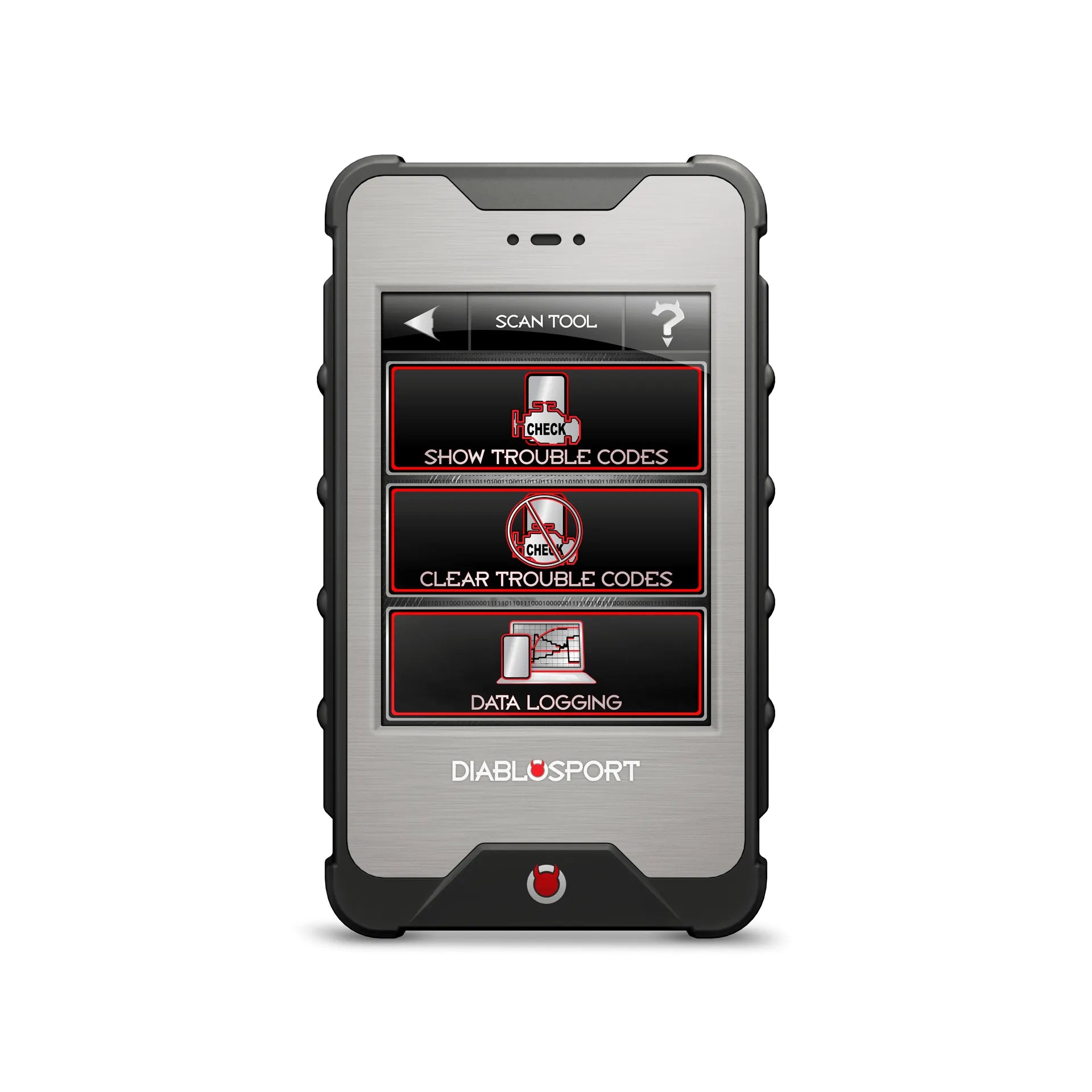
Jeep trouble codes are standard fault codes called OBD-II DTCs. They tell you which system has a problem. Learning how to clear jeep trouble codes starts with knowing what the code means. A pending code is different from a confirmed code. Clearing codes without fixing the issue may hide real problems and can cause failed inspections.
Common examples you might see:
- P0300 Random/multiple cylinder misfire.
- P0420 Catalyst system below efficiency.
- P0171 System too lean (bank 1).
When you learn how to clear jeep trouble codes, treat the code as a clue, not the full story. Read codes first. Diagnose second. Fix third.
Tools and prep you need to clear Jeep trouble codes
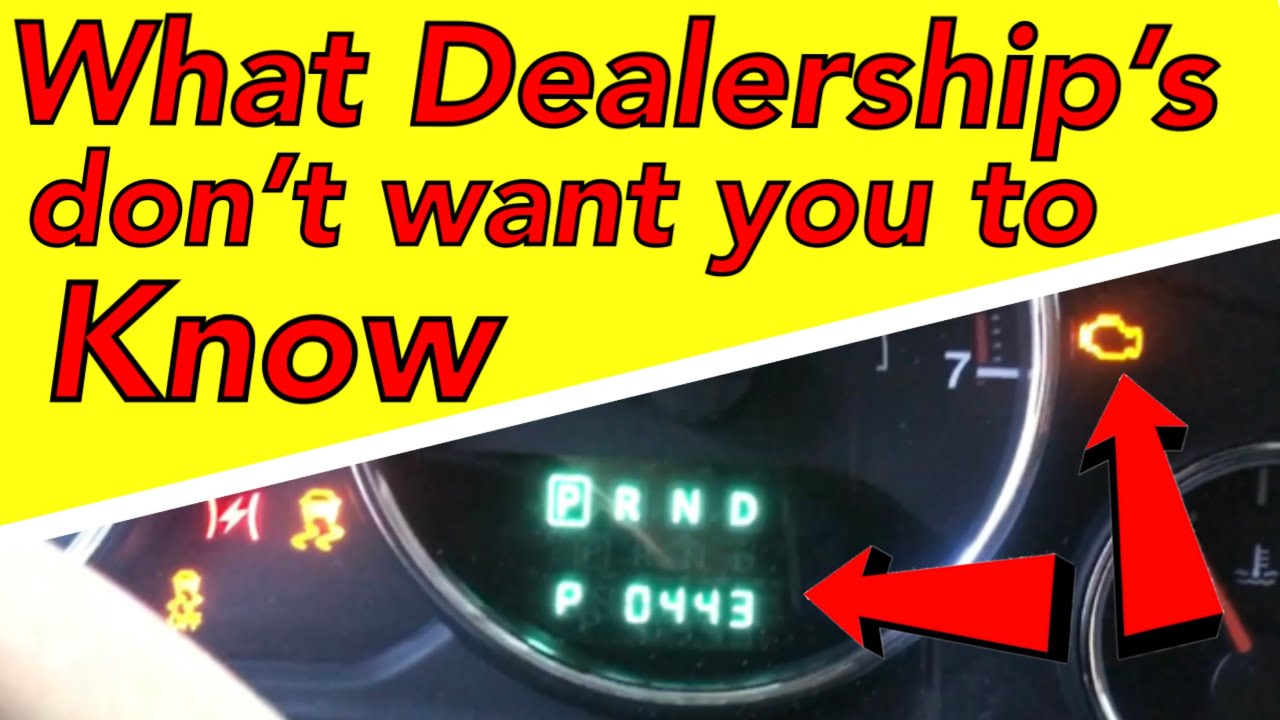
You do not need a full shop to clear many Jeep codes. You do need the right tools. Gather these before you start learning how to clear jeep trouble codes.
Essential items:
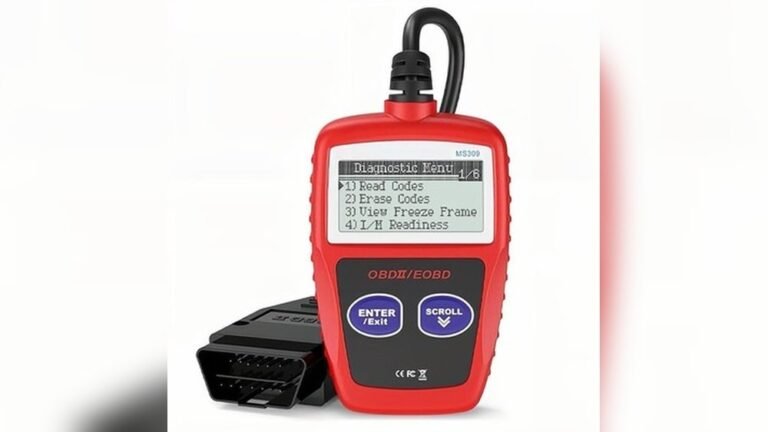
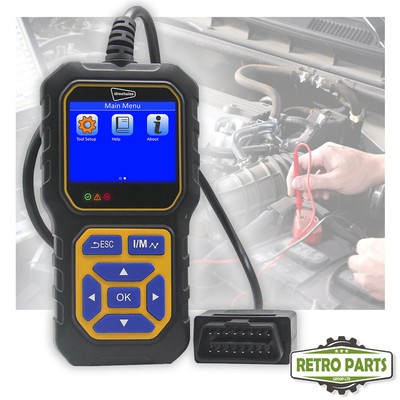
- OBD-II scanner or Bluetooth OBD-II adapter with a mobile app.
- Basic hand tools: sockets, screwdrivers, pliers.
- Safety gear: gloves and eye protection.
- Owner’s manual or repair manual for your Jeep model.
Optional helpful items:
- Code reader with freeze-frame and live data.
- Multimeter for sensor checks.
- Replacement parts if you find a bad part while fixing.
Always work with the key off and the parking brake set. Save time and avoid errors when you prepare first.
How to read Jeep trouble codes (step-by-step)
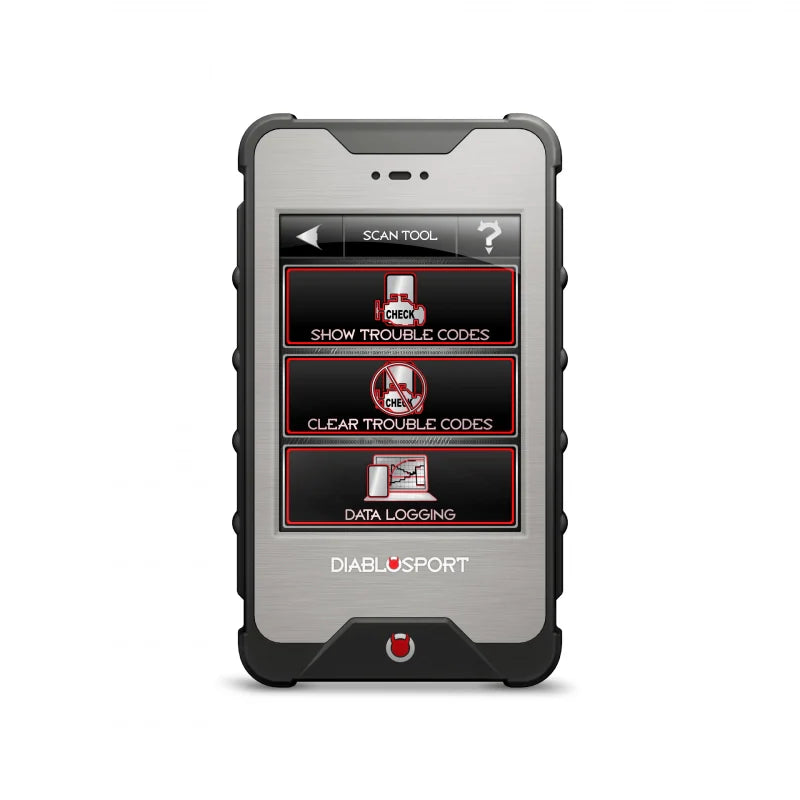
Reading codes is the first actual step before you try to clear anything. Follow these steps to read Jeep trouble codes and plan the fix.
Step-by-step:
- Plug the OBD-II scanner into the port (usually under the dash).
- Turn the ignition to the ON position without starting the engine.
- Follow the scanner prompts to read codes.
- Record the codes and any freeze-frame data the scanner shows.
When you read codes, write them down. Look up the code definitions in a reliable repair guide. This helps you understand how to clear jeep trouble codes properly.
How to clear Jeep trouble codes safely (methods)
There are several ways to clear codes. Pick the method that fits your situation and skill level. Each method is simple when you know how to clear jeep trouble codes correctly.
Method A — Using an OBD-II scanner:
- Connect scanner and read codes first.
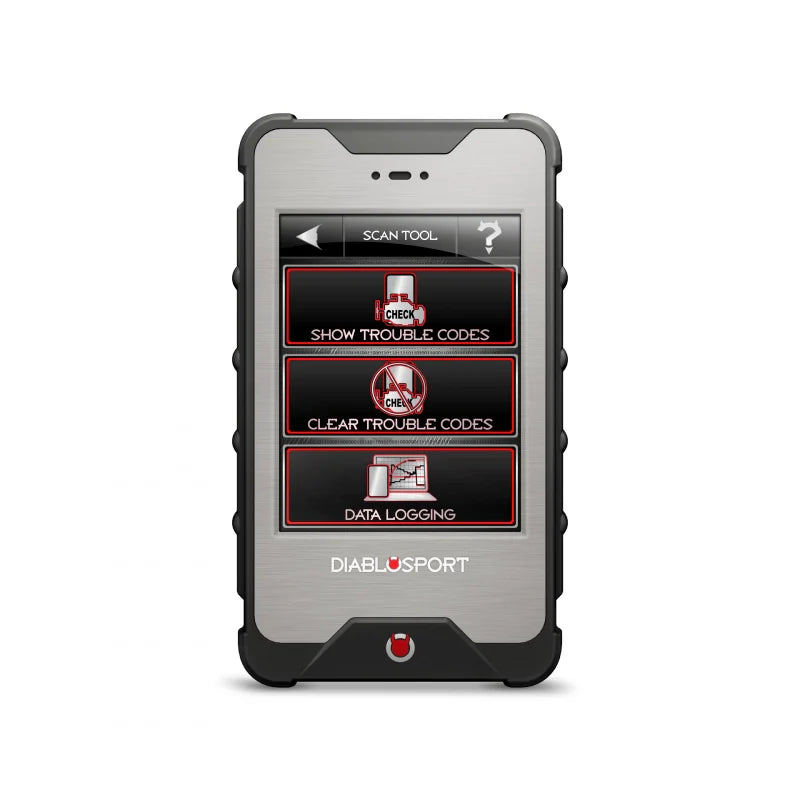
- Choose the option to erase or clear DTCs.
- Turn ignition off and restart the vehicle.
- Confirm the check engine light is off and monitor for reappearances.
Method B — Disconnecting the battery (temporary reset):
- Disconnect the negative terminal for 10–15 minutes.
- Reconnect and start the Jeep.
- Note this may reset radio presets and adaptive data.
Method C — Removing the ECM fuse (model-dependent):
- Locate the fuse box and remove the ECM fuse for a few minutes.
- Reinstall the fuse and start the Jeep.
- This clears codes but is not a repair.
Method D — Driving cycles to clear pending codes:
- Fix the underlying problem first.
- Drive normally for several drive cycles.
- The system will re-test and clear codes if the issue is fixed.
Use the scanner method when possible. It is cleaner and safer. Remember that clearing codes does not fix the cause. Always diagnose and repair first if you want lasting results.
When you should not clear Jeep trouble codes
You should not clear codes in these cases:
- You have not diagnosed or fixed the underlying issue.
- The Jeep is due for an inspection and has active faults.
- You need freeze-frame data that will be lost when you clear codes.
Clearing codes without repair can hide a serious problem. It can also make intermittent faults harder to find. If you are not sure how to clear jeep trouble codes for your case, get a pro diagnosis.

Troubleshooting after you clear Jeep trouble codes
After you clear codes, watch how the Jeep behaves. This confirms the repair or shows recurring issues. Follow these steps to troubleshoot after clearing codes.
Post-clear checklist:
- Check if the check engine light stays off after restart.
- Drive with varied conditions to allow monitors to run.
- Re-scan after a few drive cycles to ensure codes do not return.
- If codes reappear, record new details and focus on the listed system.
I once cleared a P0171 code for a Jeep only to have it return the same day. I traced the issue to a cracked vacuum hose. The lesson: always use the code as a guide and verify repairs with live data.
Common mistakes and practical tips from hands-on experience
I have made and fixed many of these mistakes. Here are practical tips to help you avoid them when learning how to clear jeep trouble codes.
Key tips:
- Always read and record codes before clearing them.
- Do not clear codes to pass an inspection without fixing the issue.
- Use live data to watch sensor values while driving.
- Replace cheap O-rings and hoses first on older Jeeps.
- Keep a log of repairs and codes for future reference.
These small steps save time and money. They also make your work more professional.

Related concepts: readiness monitors and emissions
Understanding readiness monitors helps you know why codes sometimes come back. Readiness monitors check systems for emissions. Clearing codes resets these monitors. Your Jeep needs several drive cycles to reset them. If monitors are not ready, emissions tests can fail even with the check engine light off.
When you clear jeep trouble codes, expect a period where the system runs its tests. Plan for this if you have an inspection soon.

Two quick questions people often ask
Q: Will clearing codes fix the problem?
A: No. Clearing codes only erases the stored fault. You must fix the root cause to stop the fault.
Q: Can I clear codes with the battery disconnected?
A: Yes, but it resets stored data and may require reprogramming some systems like radio presets or power windows.
Frequently Asked Questions of how to clear jeep trouble codes
How long does it take to clear Jeep trouble codes?
Most scans and clears take just a few minutes with an OBD-II scanner. Diagnosing and fixing the root cause can take much longer.
Will clearing codes pass an emissions test?
Clearing codes can turn off the light, but readiness monitors will be reset. You often must drive for several cycles before the vehicle is ready for testing.
Can I clear codes without a scanner?
Yes. You can disconnect the battery or remove the ECM fuse to clear codes. These methods reset more than just fault codes.
What if the check engine light comes back after clearing?
If the light returns, the fault is still present. Re-scan for codes and focus on diagnosing the specific code shown.
Are all Jeep codes easy to fix at home?
No. Some codes point to complex systems or intermittent faults. If a diagnosis looks beyond your tools, seek a professional mechanic.
Will clearing codes delete freeze-frame data?
Yes. Clearing codes removes freeze-frame and many logged diagnostics. Record all data before you clear codes.
Is it safe to drive after clearing codes?
It is usually safe to drive after clearing codes, but use caution. If the light returns or the Jeep runs poorly, stop and diagnose the issue.
Conclusion
You can clear Jeep trouble codes with confidence when you follow the right steps. Read and record codes first. Use a scanner or safe reset methods. Always fix the underlying problem, not just the light. My practical tips come from years of garage work and saved many owners time and stress. Take action: get a basic OBD-II scanner, read your codes, and start diagnosing. Share your experience or ask a question below to keep the conversation going.