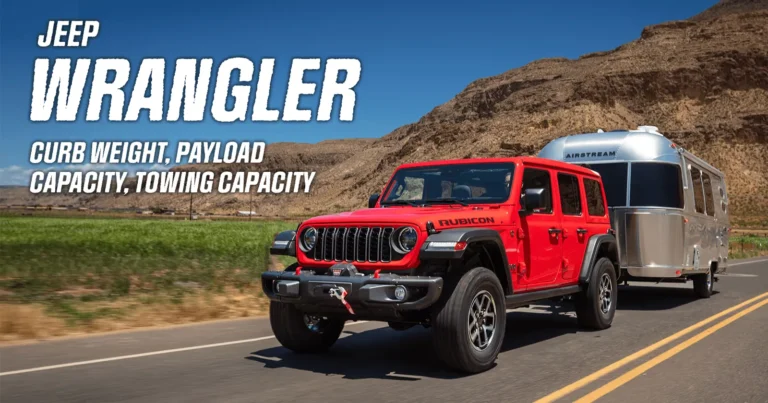
Inspect a Jeep exhaust visually and by sound; check mounts, leaks, sensors, and catalytic health.
I’ve spent years working on Jeeps and diagnosing exhaust issues on trails and in shops. This guide explains how to inspect jeep exhaust system step by step, with clear checks, tools, and real tips I learned the hard way. Read on to learn practical inspection techniques, quick fixes you can try at home, and when to get professional help.

Why inspect your Jeep exhaust system?
A healthy exhaust keeps performance strong and emissions low. Regular checks catch rust, leaks, and failing sensors before they turn into big problems.
Benefits of learning how to inspect jeep exhaust system
- Improves fuel economy by keeping sensors and flow working.
- Prevents dangerous exhaust leaks that can let fumes into the cabin.
- Avoids failing emissions tests and costly repairs later.
Common causes of exhaust problems
- Rust from road salt and moisture.
- Broken hangers from off-road jolts.
- Heat stress or impact damage on pipes and mufflers.
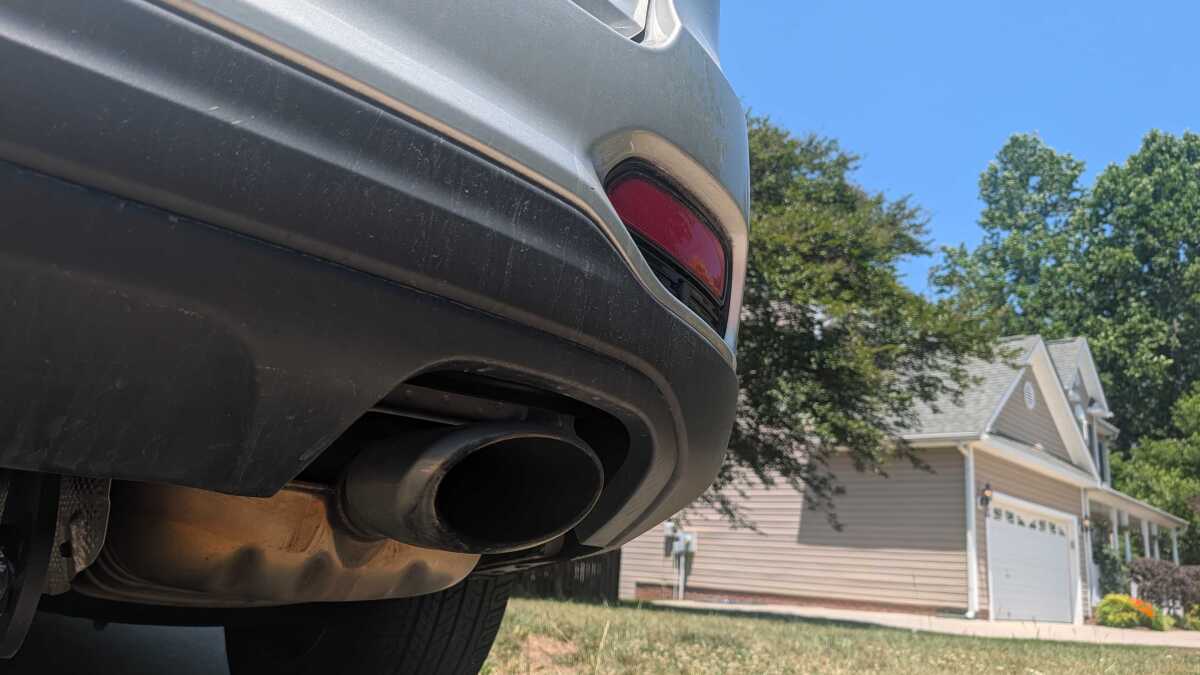
Source: wunc.org
Tools and safety gear you'll need
Simple tools make an effective inspection possible without a shop.
Essential items
- Flashlight with a bright beam.
- Jack and jack stands or ramps for safe underbody access.
- Gloves and eye protection.
- Mirror on an extendable handle.
- Spray bottle with soapy water to find small leaks.
- Socket set and penetrating oil for seized bolts.
- OBD-II scanner to read codes related to oxygen sensors and catalytic converters.

Source: youtube.com
Understanding Jeep exhaust system components
Knowing parts helps you inspect them faster and with confidence.
Key components to know
- Exhaust manifold: bolts to the engine and routes gases into the system.
- Catalytic converter: reduces harmful emissions.
- Oxygen sensors: monitor exhaust oxygen for the engine computer.
- Pipes and resonators: route and quiet exhaust flow.
- Muffler: reduces noise.
- Hangers and clamps: secure the system to the frame.
How each part fails
- Manifold gaskets blow out from heat cycles.
- Catalytic converters clog or get damaged from impacts.
- Sensors foul from oil or coolant contamination.
- Hangers break from rust or stress.

Source: wgme.com
Step-by-step: How to inspect jeep exhaust system
Follow this checklist to cover all common issues. Work safely and take notes.
- Prepare the Jeep
- Park on level ground and cool the engine for at least 30 minutes.
- Use the parking brake and chock wheels.
- Raise the vehicle securely if you need underbody access.
- Visual scan from front to back
- Look for cracks or soot around the manifold and flange.
- Inspect pipe sections, welded joints, and clamps for rust or holes.
- Check catalytic converter for dents or strange discoloration.
- Check hangers and mounts
- Wiggle the exhaust by hand or with a pry to test hanger integrity.
- Replace missing or cracked rubber hangers.
- Tighten loose clamps and bolts after applying penetrating oil.
- Inspect oxygen sensors and wiring
- Look for damaged sensor wires or connectors.
- Use an OBD-II scanner to spot sensor faults and historic codes.
- Test for leaks and blockages
- With the engine running at idle, listen for hissing or ticking near joints.
- Spray soapy water on suspect joints; bubbles indicate leaks.
- To check for internal blockages, note strong backpressure symptoms like engine hesitation or overheating.
- Road and load test
- Take a short drive and note unusual noises under acceleration.
- If possible, have an assistant rev the engine while you listen under the vehicle.
- Check for black soot, strong fuel smell, or reduced power.
- Document findings and decide actions
- Rate each issue: safe to drive, repair at home, or immediate professional attention.
- Keep photos and notes for future comparison.
Personal tip from the field: I once missed a cracked manifold flange because I only looked from below. A top-side visual with a mirror revealed soot buildup. Always look from multiple angles.

Common problems, causes, and quick fixes
Here are the usual faults and how to address them quickly.
Cracked manifold or gasket
- Cause: heat cycles and age.
- Quick fix: replace gasket; if flange cracked, replace manifold.
Leaking joint or hole in pipe
- Cause: rust or impact.
- Quick fix: small holes can use exhaust repair paste or sleeve; larger damage needs pipe replacement.
Broken hangers or loose clamps
- Cause: rust or off-road stress.
- Quick fix: replace hangers and tighten or swap clamps.
Clogged catalytic converter
- Cause: contamination or overheating.
- Quick fix: try a long highway drive; many clogged converters need replacement.
Faulty oxygen sensor
- Cause: age or contamination.
- Quick fix: swap the sensor and clear OBD codes.
Limitations of DIY
- Internal converter damage usually requires replacement.
- Welding on rusted frames or near fuel lines requires pro skills.

Source: lutherauto.com
When to seek professional help
Some issues are best handled by a trained technician.
Seek help if you notice
- Strong exhaust smell inside the cabin.
- Major structural rust or missing sections.
- Persistent check engine light tied to emissions codes.
- After an impact that bent pipes near the fuel tank.
Why professionals help
- They can test backpressure, replace catalytic converters properly, and re-balance sensors.
- Shops have lifts and welding gear not safe at home.
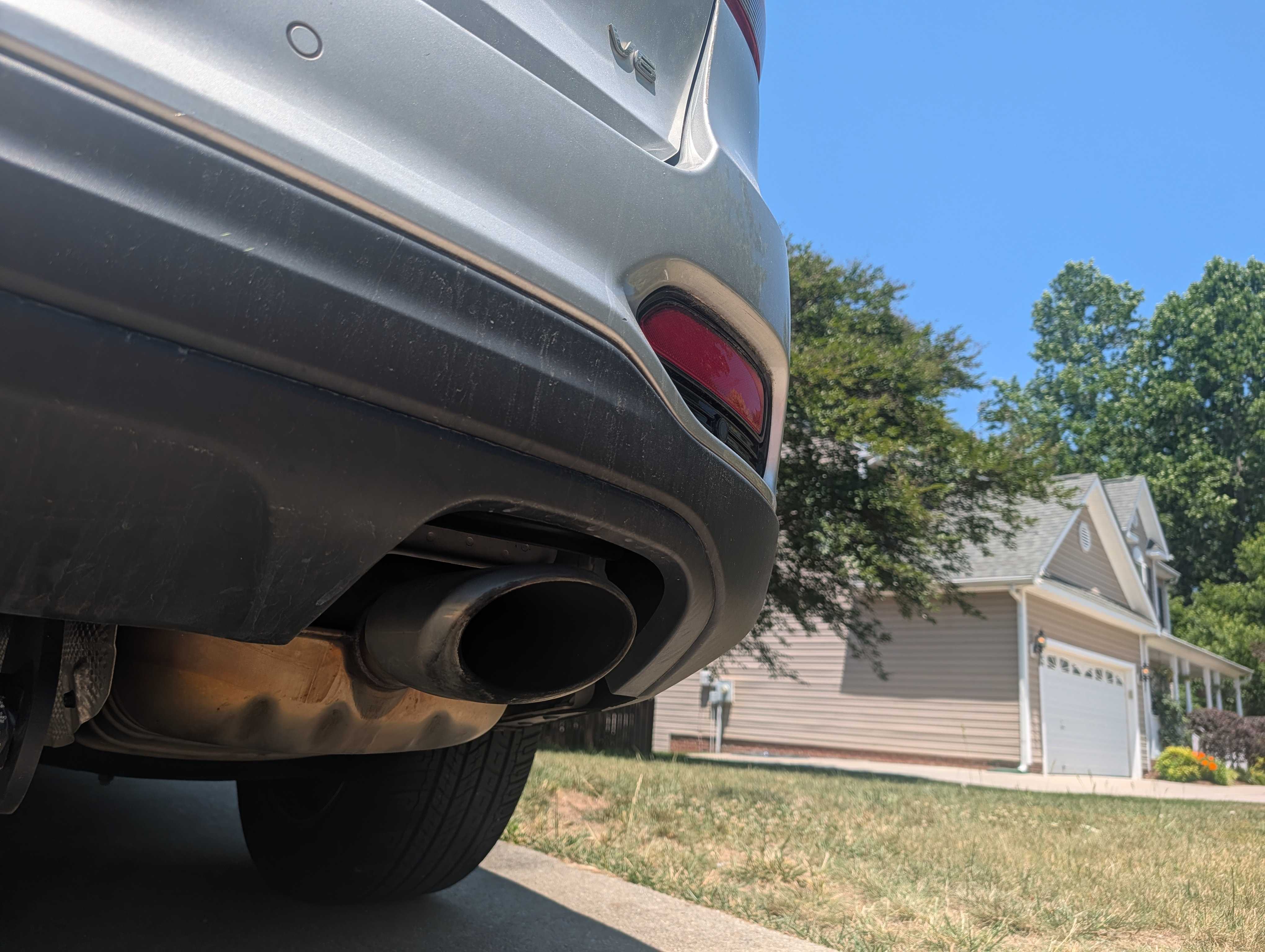
Source: wunc.org
Preventive maintenance tips for longer exhaust life
Small habits keep your Jeep exhaust system healthier for longer.
Maintenance checklist
- Rinse undercarriage after driving on salted roads.
- Inspect hangers once every oil change.
- Replace rusted clamps promptly.
- Use high-temperature anti-seize on bolts during reassembly.
- Avoid repeated short trips that prevent the exhaust from fully drying and baking off moisture.
- Address engine misfires quickly to avoid catalytic damage.

Source: youtube.com
Quick PAA-style questions
How often should I inspect my Jeep exhaust system?
Inspect visually every 3 months and do a hands-on check at every major service. More often if you drive off-road or in salty conditions.
Can a small exhaust leak ruin my engine?
A small leak won’t usually damage the engine but can affect oxygen sensor readings and fuel trim, which harms performance over time.
Is it safe to weld a rusted exhaust on my own?
Welding is possible, but rusted areas near fuel lines or thin metal can be risky. Use proper ventilation and know your limits.
Frequently Asked Questions of how to inspect jeep exhaust system
What is the first thing to look for when inspecting the exhaust?
Start with a visual sweep for holes, rusted sections, and loose hangers. These signs are easy to spot and often indicate the biggest risks.
How can I detect small exhaust leaks?
Run the engine and listen for hissing noises. Use soapy water on joints; bubbles show leaks. Smell for strong exhaust inside the cabin as another clue.
Do I need special tools to check catalytic converter health?
An OBD-II scanner and a good ear help. True internal testing may require backpressure measurement, which professionals can perform.
Can I drive with a damaged muffler or pipe?
Short trips are possible if the issue is minor, but avoid prolonged driving. Big holes or detached sections can be dangerous and noisy.
How long does a Jeep exhaust system usually last?
With good care, 5 to 10 years is common, but salt exposure, off-roading, and climate can shorten life significantly.
What causes oxygen sensors to fail?
Sensor failure often comes from contaminants like oil, coolant, or leaded fuel. Old age and extreme heat cycles also degrade sensors.
Will replacing hangers fix exhaust clanging noise?
Often yes. Broken hangers let the exhaust contact the chassis, causing clanging. Replace hangers and check for additional loose parts.
Conclusion
Learning how to inspect jeep exhaust system saves money, keeps you safe, and helps your Jeep run better. Use the step-by-step checks above, keep simple tools on hand, and document issues so you can track changes. Start with a visual check this weekend, fix small problems early, and ask a pro for anything beyond your comfort level. Share your experience or questions below and subscribe for more practical Jeep care tips.