Fix the leak by locating the source, tightening or replacing faulty parts, and pressure-testing the system.
I’ve spent years wrenching on Jeeps and teaching owners how to find and fix coolant leaks safely. This guide explains how to fix Jeep coolant leak problems step by step. I’ll show you how to diagnose leaks, what parts commonly fail, tools to use, real-world tips from my own garage tests, and when to call a pro. Read on to save time, avoid mistakes, and get your Jeep cooling system healthy again.
Why Jeep coolant leaks happen
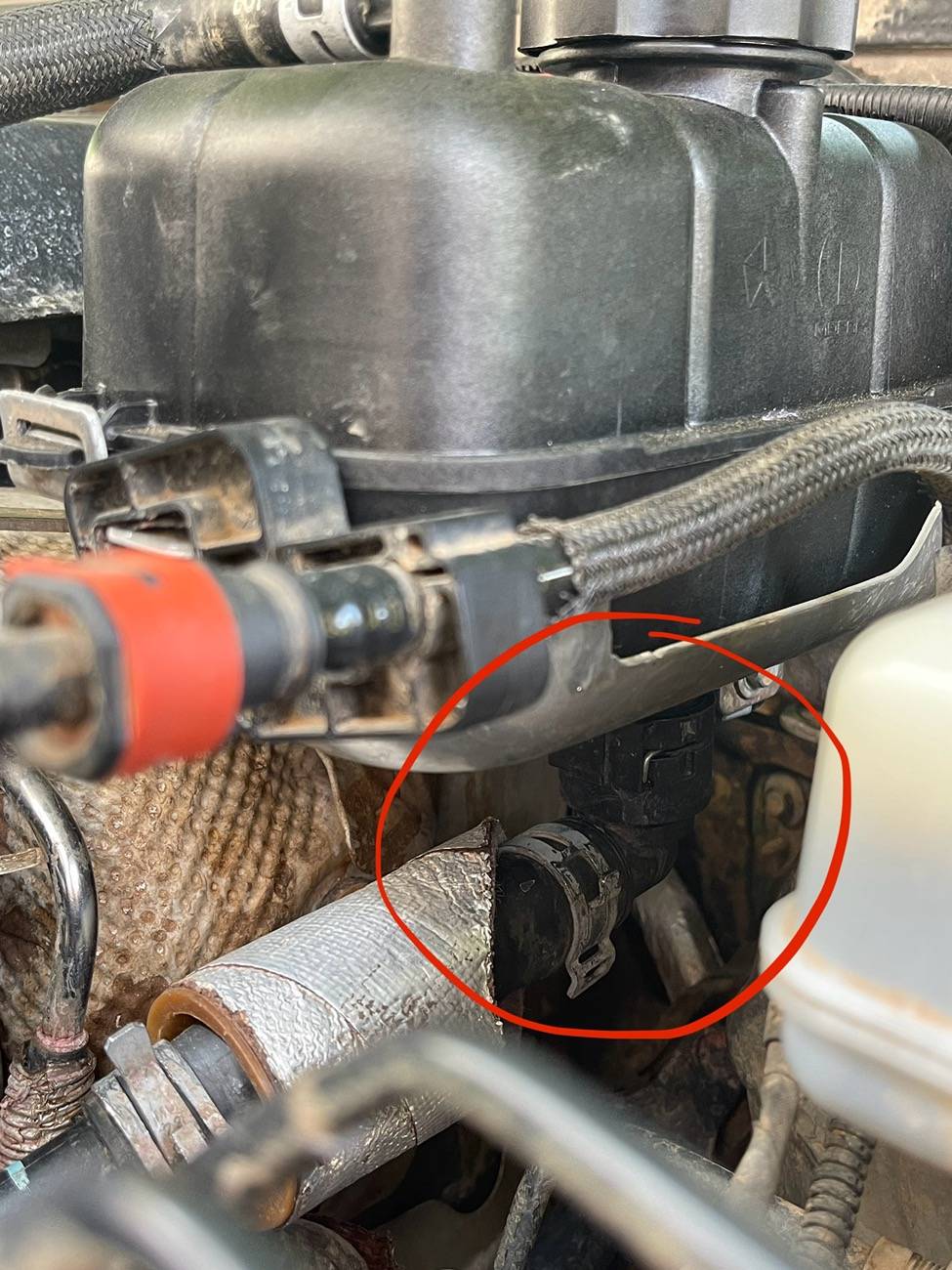
Coolant leaks show up for clear reasons. Old rubber hoses crack. Clamps fail. Radiators get corroded. Water pumps wear out. Head gaskets can fail under heat and pressure. Small problems grow fast if ignored.
Common causes:
• Radiator corrosion or damage.
• Cracked or soft hoses and loose clamps.
• Failing water pump seals.
• Faulty heater core or hose fittings.
• Blown head gasket or cracked engine parts.
• Faulty radiator cap or overflow tank cracks.
Understanding these causes helps you decide how to fix Jeep coolant leak problems. Fixing small leaks early often prevents big engine damage.

How to diagnose a Jeep coolant leak
Start with simple checks. Look under the Jeep for puddles. Note color—most coolant is bright green, orange, or pink and smells sweet. Check the coolant reservoir level with a cold engine. Inspect hoses and connections visually.
Diagnostic steps:
• Check for visible puddles and stains where you park.
• Look for steam from the engine after a short run.
• Smell for sweet coolant odor near the engine bay.
• Inspect radiator, hoses, clamps, reservoir, and water pump for wetness.
• Pressure-test the cooling system with a pressure tester to find slow leaks.
• Use UV dye and UV light to spot hairline leaks not seen by eye.
• Check oil for milky color (sign of head gasket problem).
• Watch temperature gauge and check for white exhaust smoke.
A methodical diagnosis prevents wasted repairs. I once chased a radiator leak for hours, only to find a failing hose clamp was the real issue. Using a pressure tester saved me both time and parts.

Step-by-step repairs for common leak locations
This section gives clear steps for typical leaks. Always work on a cold engine. Wear gloves and eye protection. Drain coolant into a pan and dispose of it properly.
Radiator
• Inspect for visible holes, bent fins, or corrosion.
• If small and external, a professional epoxy or plug can be temporary.
• Replace the radiator for internal corrosion, major damage, or persistent leaks.
Hoses and clamps
• Locate the soft, cracked, or swollen section.
• Loosen the clamp, remove the hose, and inspect.
• Replace both the hose and the clamp as a set.
• Tighten new clamps to snug, not crush, the hose.
Water pump
• Look for coolant dripping from the weep hole.
• Replace the pump if the seal leaks or the bearing is noisy.
• Replace the timing or serpentine belt if removed during pump service.
Thermostat housing and thermostat
• Inspect around the housing for seepage.
• Replace gasket or O-ring and the thermostat if stuck.
• Clean mating surfaces before reinstalling.
Heater core
• Leaks here show as coolant on the passenger floor or foggy windows.
• Often requires dash removal—consider pro service unless you have time and skill.
Head gasket
• Signs include white smoke, milky oil, or loss of coolant with no visible leak.
• This is a major repair and often needs a shop for cylinder head work or engine replacement.
Reservoir and cap
• Inspect the overflow tank for cracks.
• Test the radiator cap; a bad cap can cause improper pressure and leaks.
When repairing, always pressure-test after the fix. That confirms the repair and prevents repeat visits to the garage. Remember: small parts like clamps are cheap. Replace them liberally to avoid repeat leaks.

Tools and parts you will need
Having the right tools makes a DIY fix fast and safe. Keep quality parts on hand for reliability.
Essential tools:
• Cooling system pressure tester.
• UV dye kit and UV light.
• Socket set and screwdrivers.
• Pliers and hose clamp pliers.
• Drain pan and funnel.
• Torque wrench for specific bolts.
Common parts to buy:
• Replacement hoses and hose clamps.
• New radiator cap and coolant reservoir if cracked.
• Water pump and gasket (if needed).
• Thermostat and gasket.
• Radiator or heater core if beyond repair.
• New coolant (pre-mixed or concentrate).
Costs vary by Jeep model. A hose and clamp job can run low cost. A head gasket or radiator replacement costs much more. I always keep a cheap pressure tester in my toolbox. It paid for itself in avoided trips to the shop.

DIY example: fixing a leaking radiator hose clamp
This is a common, quick repair that most DIYers can do in under an hour.
Steps:
- Park on level ground and let engine fully cool.
- Place drain pan under the lower hose connection.
- Loosen the clamp and slide it back. Remove the hose by twisting gently.
- Inspect the hose for cracks. If worn, replace the hose.
- Fit the new hose, position the clamp, and tighten evenly.
- Refill the coolant reservoir and radiator to the proper level.
- Start the engine, let it reach operating temperature, and check for leaks.
- Recheck coolant level after a short drive and top off if needed.
Tips from experience:
• Cut off the hose ends with a utility knife if stuck.
• Use screw-type clamps for even pressure.
• Replace both upper and lower hoses if one is very old.
This fix is a frequent answer to how to fix Jeep coolant leak questions because it’s common and straightforward.
When to seek professional help and repair cost estimates
Some leaks need shop expertise. If you suspect a head gasket, cracked block, or internal leak, stop DIY. These issues can cause severe engine damage.
Signs to take it to a pro:
• Milky oil or persistent white smoke from exhaust.
• Rapid overheating after coolant top-off.
• Coolant in the oil or bubbles in the radiator.
• Leaks inside the cabin or under the dashboard.
Rough cost estimates:
• Hose and clamp replacement: low cost, often under $100.
• Radiator replacement: moderate, typically $300–$900 depending on parts and labor.
• Water pump replacement: $200–$600.
• Head gasket or engine repair: $1,000–$4,000+ depending on severity.
I once recommended a pro teardown after a pressure test showed a loss with no external leaks. The shop found a blown head gasket. Tackling that at home without the right tools would have cost me time and risked further damage.

Preventive maintenance to avoid future leaks
Regular upkeep reduces the chance you’ll need to learn how to fix Jeep coolant leak problems again.
Maintenance tips:
• Replace coolant and flush system per the service schedule.
• Inspect hoses and clamps every oil change or twice a year.
• Replace the radiator cap every few years.
• Keep an eye on temperature gauge and top off coolant as needed.
• Use OEM or high-quality parts for reliability.
• Store coolant properly and use the recommended mix.
Preventive care saves money and keeps your Jeep reliable. Small checks take minutes and prevent roadside breakdowns.

Frequently Asked Questions of how to fix jeep coolant leak
How do I find a slow coolant leak on my Jeep?
Use a cooling system pressure tester and look for pressure drop. Add UV dye and run the engine briefly, then scan with a UV light to spot the leak.
Can I use stop-leak products on my Jeep radiator?
Stop-leak products can seal small leaks temporarily but may clog heater cores or sensors. Use them only as a short-term fix and plan a proper repair.
How long does it take to replace a water pump on a Jeep?
Most water pump jobs take 2–4 hours for an experienced DIYer, longer if you must remove accessories or timing components. Allow extra time if this is your first repair.
What happens if I drive my Jeep with a coolant leak?
Driving with a coolant leak risks overheating, warped heads, or engine failure. Stop driving and fix the leak as soon as you can.
How often should I inspect my Jeep cooling system to prevent leaks?
Inspect hoses and coolant levels every 3,000–5,000 miles or at every oil change. Replace rubber parts every 4–6 years or when they show wear.
Conclusion
Fixing a coolant leak on a Jeep starts with careful diagnosis, the right tools, and sensible repairs. Small jobs like hose and clamp replacements are often simple and cheap. Bigger issues like head gaskets need professional help. Use pressure testing and UV dye to find hidden leaks, and follow the step-by-step fixes here to address common problems. Take action now: inspect your cooling system, fix any small leaks, and schedule pro service if you see worrying signs. Leave a comment with your Jeep model and leak symptoms if you want tailored advice, and consider subscribing for more hands-on repair guides.