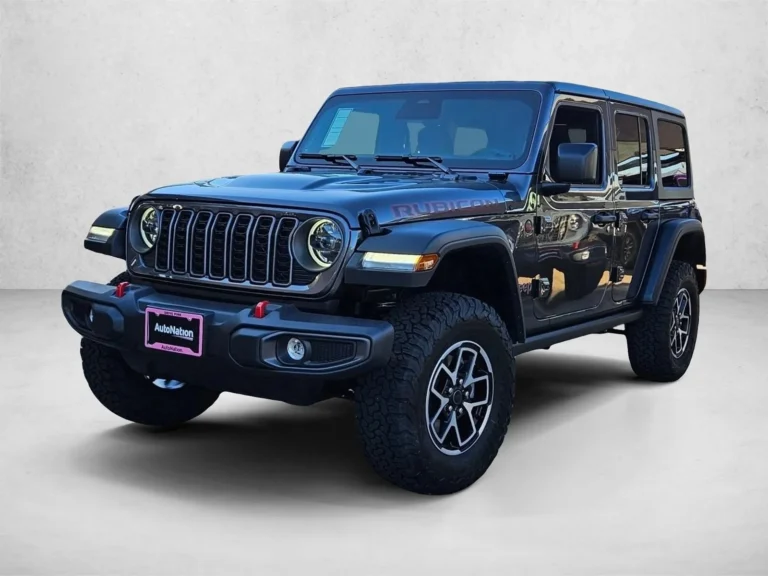
Jeep Wranglers commonly last 200,000+ miles with proper care and routine maintenance.
I’ve researched and lived with Wranglers for years, so I’ll walk you through exactly how long do Jeep Wranglers last. This guide explains real-world mileage, common failure points, maintenance priorities, and buying tips. Read on for clear, experience-backed advice to help your Wrangler hit — and pass — the long-haul milestones.

Typical lifespan and mileage you can expect
Most owners see 150,000 to 300,000 miles when asking how long do Jeep Wranglers last.
Many Wranglers reach 200,000 miles with regular oil changes and rust prevention.
Lifespan also depends on engine type, year, and how the vehicle was used.
Common lifespan markers
- 100,000 miles — Routine wear items need attention.
- 150,000 miles — Expect some major parts like suspension or transfer case work.
- 200,000+ miles — Very achievable with steady care.
From my experience, daily-driven Wranglers that get regular service often outlive commuter sedans. Industry data and owner reports also support long engine life for many Jeep models.
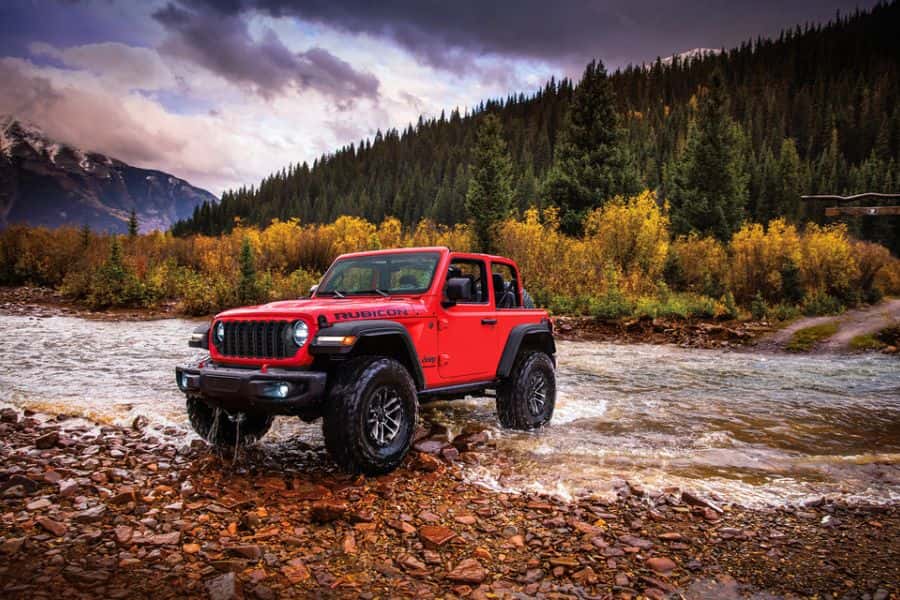
Key factors that determine how long do Jeep Wranglers last
Several things change how long a Wrangler lasts. Keep them in mind when buying or owning one.
Maintenance and service
- Regular oil changes keep engines healthy.
- Timely transmission and transfer case service prevents costly failures.
Driving style
- Off-road use increases wear on suspension and drivetrain.
- Gentle daily driving extends component life.
Climate and rust
- Salted roads and humid climates speed frame and body corrosion.
- Rust-proofing and undercoating can add years.
Modifications and aftermarket parts
- Lift kits and larger tires strain drivetrains if not done properly.
- Quality parts and correct alignment reduce extra wear.
Model year and engine choices
- Some engines and transmissions are more durable than others.
- Newer models often have improved corrosion protection.
Ownership history
- A well-documented service record often predicts longer life.
- Neglect shortens lifespan quickly.
How to extend how long do Jeep Wranglers last: practical steps
You can stretch a Wrangler’s life with a few steady habits. These are low-effort changes with high payoff.
Routine service checklist
- Change oil every 5,000 to 7,500 miles or per manual.
- Service transmission and differentials on schedule.
- Replace timing components and belts as recommended.
Rust prevention
- Wash the undercarriage after winter drives.
- Use rust inhibitors on vulnerable seams and frame points.
- Fix chips and paint damage right away.
Suspension and drivetrain care
- Inspect joints, bushings, and mounts yearly.
- Rebuild or replace worn components before they cause secondary damage.
Smart driving and load limits
- Avoid overloading and towing beyond specs.
- If you wheel often, schedule more frequent inspections.
Parts and upgrades
- Use OEM or high-quality aftermarket parts.
- Upgrade brakes and cooling if you add heavy tires or a lift.
My tip: I replaced worn control arms early on my Wrangler. That swap saved the steering components and added many trouble-free miles. Simple, preventive fixes pay off fast.

Common problems by age and mileage
Knowing typical issues helps you plan repairs and avoid surprises. Here’s what usually shows up at different mileages.
Up to 100,000 miles
- Brakes, tires, and battery replacements are common.
- Minor oil leaks and electrical gremlins may appear.
100,000 to 200,000 miles
- Transfer case and transmission seals can start leaking.
- Suspension parts and steering components often need work.
200,000+ miles
- Engine rebuilds are possible if maintenance was missed.
- Frame and body rust may require major attention in harsh climates.
Signs to watch for
- Unusual noises when turning or off-roading.
- Fluid leaks under the vehicle.
- Increased vibration or steering play.
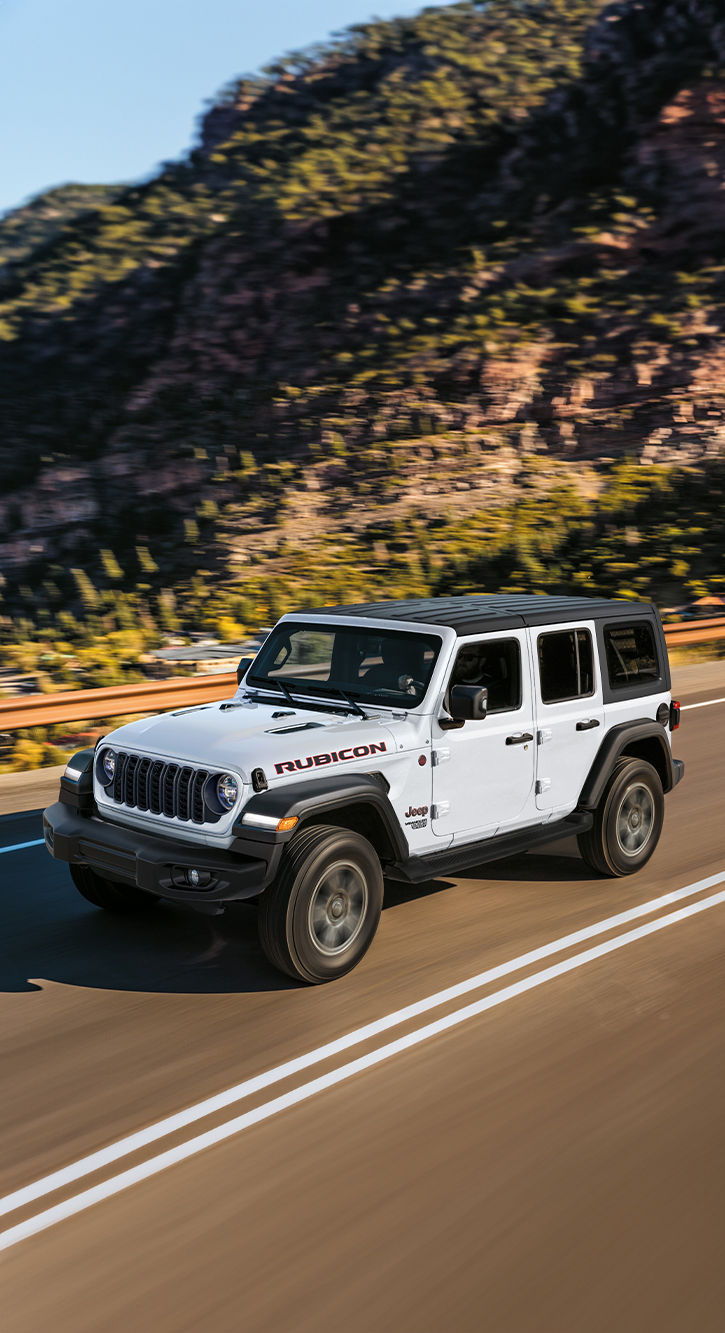
Buying used: how to check how long do Jeep Wranglers last for your purchase
If you plan to buy a used Wrangler, a smart inspection helps predict future lifespan.
Pre-purchase checklist
- Ask for service records and ownership history.
- Inspect frame rails, floor pans, and rocker panels for rust.
- Test drive on pavement and rough surfaces to hear issues.
- Check for correct service on transfer case and axles.
- Look for aftermarket mods that could stress the drivetrain.
Red flags
- Major rust on frame or body.
- No maintenance history.
- Rough shifting or unusual drivetrain noises.
I once walked away from a tempting Wrangler because the frame had hidden rust. That decision saved me money and headaches. A little caution goes a long way.
.jpg?width=1020&name=2024-jeep-wrangler-final-edition-392-2%20(1).jpg)
Cost of ownership and maintenance expectations
Budgeting helps you own longer and avoid surprises. Typical yearly costs vary with use and age.
Estimated annual costs
- Routine maintenance and oil — $300 to $700.
- Tire and brake rotation/replacement — $400 to $1,000.
- Unexpected repairs (suspension, drivetrain) — can be $1,000+ in a bad year.
Savings tips
- Do minor maintenance yourself, like oil and filter changes.
- Buy solid used parts for older vehicles.
- Keep repair records to improve resale and diagnosis.

Related concepts and things to compare
Understanding related topics helps frame expectations about longevity.
Comparable SUVs
- Some body-on-frame SUVs can match Wrangler longevity with care.
- Compare corrosion protection and drivetrain design.
Electric and hybrid options
- Newer electric SUVs simplify some maintenance.
- Wrangler longevity remains strong for conventional engines today.
Resale and value
- Wranglers hold value well.
- A well-maintained older Wrangler can be worth more than a neglected newer one.
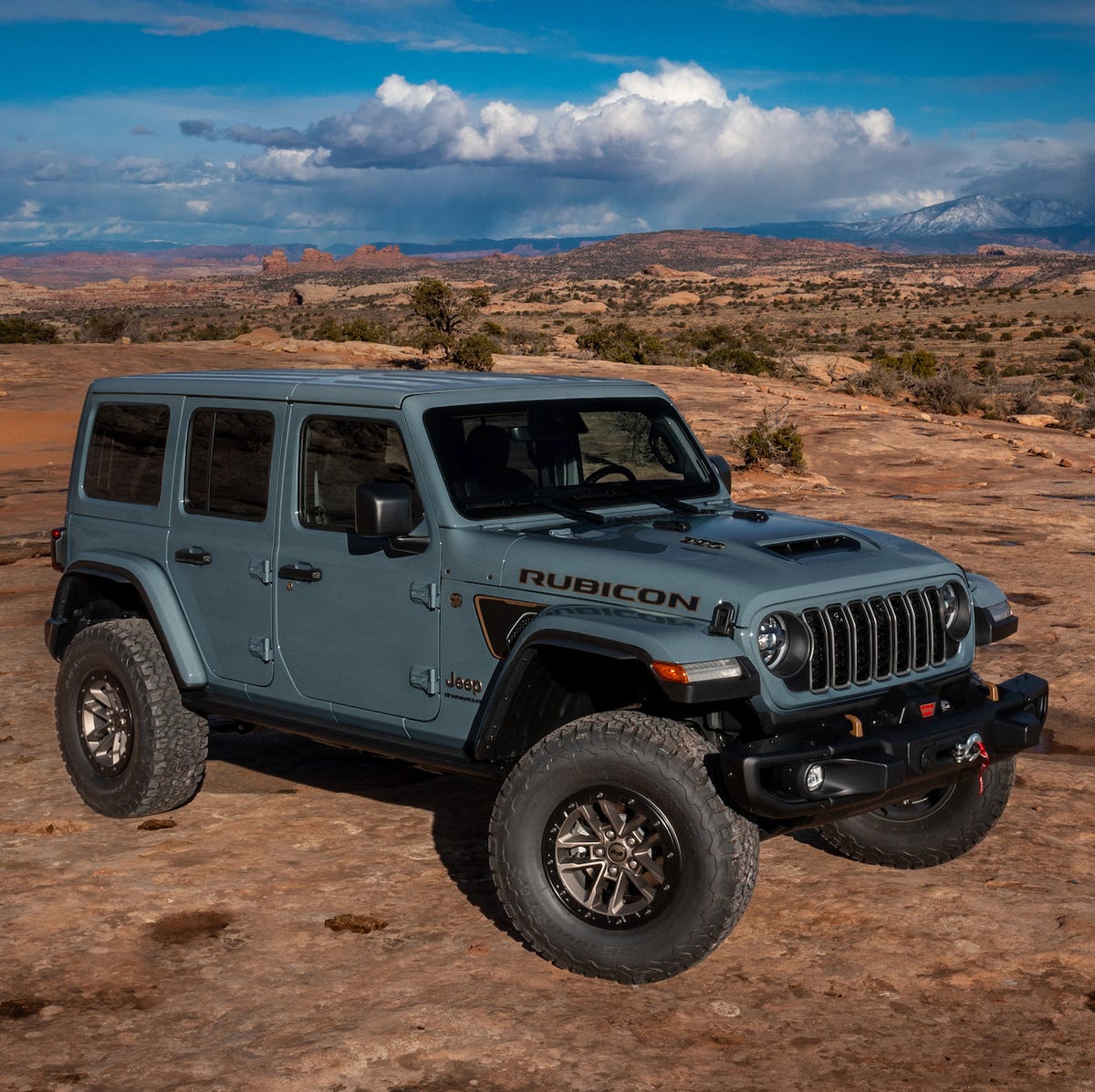
Frequently Asked Questions of how long do jeep wranglers last
How many miles can a Jeep Wrangler last?
With good care, many Wranglers reach 200,000 miles or more. Proper service and rust control are key drivers.
Do Jeep Wranglers hold up off-road?
Yes. Wranglers are built for off-road use, but frequent wheeling raises maintenance needs and shortens some parts’ life.
What model years are most reliable?
Reliability varies by engine and generation; well-maintained models across generations can last long. Look for clean service records and rust-free frames.
How much does it cost to keep a Wrangler running long-term?
Plan for $1,000 to $3,000 yearly on average, depending on age and use. Major repairs can increase that in certain years.
Is it worth buying a high-mileage Wrangler?
Yes, if it has good maintenance records and no major rust. High-mileage Wranglers often offer good value and long remaining life.
Conclusion
Jeep Wranglers often last a very long time when you care for them. Regular maintenance, rust prevention, and sensible driving make the biggest difference. Use the checklists here when buying or servicing a Wrangler to get the most miles for your money. If you want long life from your Jeep, start with steady service and a proactive rust plan today. Share your own Wrangler story or ask a question below to learn more.