The Complete Guide to Jeep Wrangler Fluid Leak Identification and Diagnosis begins with a simple idea: every fluid tells a story. A small spot under your Jeep may look harmless, but it can point to a worn seal, loose hose, damaged gasket, or failing component.
From years of vehicle inspection work, one lesson stands out. Do not guess from the puddle alone. The best diagnosis comes from combining visual checks, fluid testing, and knowledge of common Jeep Wrangler leak areas.
American Jeep owners often use their Wranglers for commuting, road trips, towing, and off-road adventures. These conditions can put extra stress on seals, hoses, and drivetrain parts, making regular leak checks an important part of ownership.

Understanding Jeep Wrangler Fluid Leaks and Why They Matter
A Jeep Wrangler uses several fluids to keep the engine, transmission, cooling system, brakes, and axles working correctly. When one of these fluids escapes, the vehicle may lose performance or suffer long-term damage.
The Complete Guide to Jeep Wrangler Fluid Leak Identification and Diagnosis helps owners understand that a leak is not just a stain. It is a warning sign that needs attention before a small repair becomes a major mechanical problem.
- ✦ Fluid protection
Fluids reduce heat, friction, and wear inside important vehicle systems.
- ✦ Early warning
Small leaks often appear before a component fails completely.
Common Leak Locations on Jeep Wrangler Models
Common leak points include the engine area, transmission housing, transfer case, differentials, radiator connections, and brake lines. These areas collect dirt, making the leak source harder to see.
A clean inspection area makes it easier to follow fresh fluid back to the original source.
- ✦ Front engine area
Often related to engine oil leaks from seals, gaskets, or filter areas.
- ✦ Center drivetrain area
May indicate transmission, transfer case, or driveshaft-related leaks.
How to Identify Different Jeep Wrangler Fluids by Appearance and Smell
Fluid identification is one of the most useful skills in the Complete Guide to Jeep Wrangler Fluid Leak Identification and Diagnosis. The color and smell can quickly narrow down possible causes.
Always check fluid carefully. Some fluids may look different after mixing with dirt or road debris.

- ✦ Engine oil
Usually dark brown or black with a greasy feel. It often comes from the engine area.
- ✦ Coolant
Often green, orange, pink, or yellow and may have a sweet smell.
- ✦ Transmission fluid
Usually red or pink and has a distinct petroleum smell.
- ✦ Brake fluid
Usually clear to amber and feels slippery with a lighter texture.
Using a Cardboard Test for Leak Tracking
Place clean cardboard under your parked Jeep overnight. The location of the drops can help match the leak area under the vehicle.
This method does not replace a full inspection, but it gives useful information before visiting a repair shop.
- ✦ Mark the spot
Circle the drip location to compare it with vehicle components above.
Diagnosing Engine Oil Leaks on a Jeep Wrangler
Engine oil leaks are among the most common issues covered in the Complete Guide to Jeep Wrangler Fluid Leak Identification and Diagnosis. They can come from valve covers, oil pans, filters, seals, and other engine areas.
A common mistake is replacing random parts without finding the actual source. Oil can travel along engine surfaces, making the lowest point misleading.

- ✦ Valve cover gasket leaks
Oil may appear around the top or sides of the engine.
- ✦ Oil pan leaks
Oil drops may appear directly below the engine bottom.
- ✦ Rear main seal leaks
Oil may appear between the engine and transmission area.
Why Oil Leaks Should Not Be Ignored
Low engine oil levels increase friction and heat. Over time, this can damage internal engine parts.
A quick oil leak repair may prevent a much larger engine repair bill.
- ✦ Check oil level
Use the dipstick or vehicle system according to the model year instructions.
Transmission, Transfer Case, and Differential Fluid Leak Diagnosis
The drivetrain contains several fluid-filled components that protect gears and bearings. A leak in these areas can affect shifting, four-wheel-drive operation, and off-road performance.
The Complete Guide to Jeep Wrangler Fluid Leak Identification and Diagnosis requires checking the entire drivetrain because fluid can move along metal surfaces before dripping.
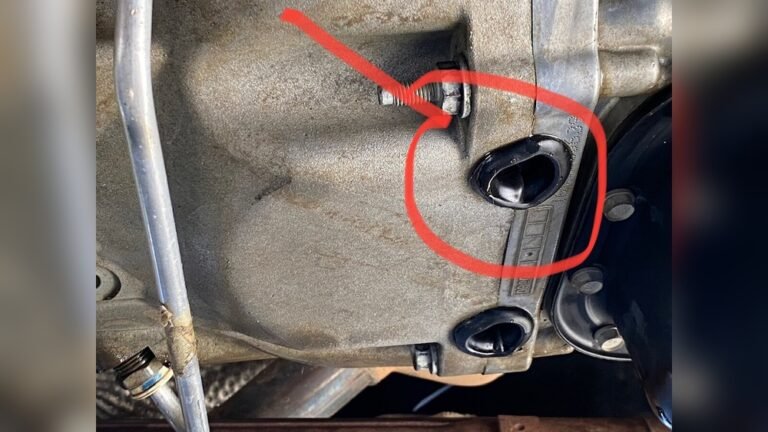
- ✦ Transmission leaks
May come from seals, pans, cooler lines, or connection points.
- ✦ Transfer case leaks
Can affect four-wheel-drive performance if fluid levels drop.
- ✦ Differential leaks
Often involve axle seals or cover gasket areas.
Signs of Drivetrain Fluid Problems
Drivers may notice unusual noises, hard shifting, vibration, or four-wheel-drive problems when drivetrain fluid levels become low.
These symptoms require attention because gear damage can be costly.
- ✦ Listen for noise
Whining or grinding sounds may indicate lubrication problems.
Coolant and Brake Fluid Leak Inspection Methods
Not every Jeep Wrangler fluid leak is an oil problem. Coolant and brake fluid leaks can create serious safety risks if ignored.
Cooling and braking systems should receive careful inspection because failures can happen quickly.

- ✦ Coolant leak signs
Look for overheating, sweet smells, wet hoses, or coolant residue.
- ✦ Brake fluid leak signs
Watch for a soft brake pedal or fluid near wheels and brake components.
Safe Inspection Practices
Never open a hot cooling system. Pressure and heat can cause injury.
Inspect brake leaks carefully and repair them before driving if braking performance changes.
- ✦ Safety first
Use proper protection and avoid contact with unknown fluids.
Professional Tools and Steps for Accurate Leak Diagnosis
Professional technicians use more than visual checks. They may use cleaning methods, pressure tests, UV dye, and inspection cameras to locate hidden leaks.
The Complete Guide to Jeep Wrangler Fluid Leak Identification and Diagnosis becomes easier when owners understand the process used by experienced mechanics.

- ✦ Clean the area
Removing old fluid helps reveal fresh leaks.
- ✦ Use UV dye
Special dye can make certain leaks easier to trace.
- ✦ Check fluid levels
Low levels help identify which system may be losing fluid.
When to Visit a Repair Professional
Seek professional help when the leak source is hidden, fluid loss is heavy, or vehicle performance changes.
A trained technician can prevent unnecessary part replacement by confirming the real cause.
- ✦ Major warning signs
Overheating, brake problems, or transmission issues need quick attention.
Frequently Asked Questions about Complete Guide to Jeep Wrangler Fluid Leak Identification and Diagnosis

Jeepexplorerr
Contributor