The Complete Guide to Jeep Wrangler Maintenance Inspection by Vehicle System helps owners understand what professionals look for during a full vehicle check. A Wrangler is built for both city roads and rough trails, so every system must work together. A small issue in the suspension, drivetrain, or electrical system can affect comfort, safety, and long-term ownership costs.
From my experience studying vehicle maintenance practices, the best inspections follow a system-by-system approach. Instead of waiting for warning lights or strange noises, skilled technicians check wear points, fluid conditions, connections, and mechanical parts before failures happen. This method gives Jeep owners a clearer picture of their vehicle’s health.

Understanding Jeep Wrangler Maintenance Inspection by Vehicle System
The Complete Guide to Jeep Wrangler Maintenance Inspection by Vehicle System starts with understanding why a full inspection matters. A Jeep Wrangler has many connected parts, including mechanical, electrical, and safety systems. Each system needs regular attention to maintain dependable performance.
Many Wrangler owners use their vehicles for towing, camping, and off-road driving. These activities create extra stress on components such as axles, suspension parts, tires, and drivetrain systems. A complete inspection helps identify damage caused by daily use or adventure driving.
- ✦ Preventive Maintenance
Regular inspections find early signs of wear before they cause breakdowns or expensive repairs.
- ✦ Safety Improvement
Checking brakes, steering, tires, and electrical systems helps keep the vehicle safer on American roads.
- ✦ Better Vehicle Value
A well-maintained Wrangler usually keeps better condition and service history records.
Why System-Based Inspections Are Important
A system-based inspection looks at how each part works together. For example, worn suspension parts can affect tire wear, steering control, and driving comfort.
This approach gives owners a complete maintenance picture instead of only fixing visible symptoms.
Engine System Inspection and Maintenance Checks
The engine is the heart of every Jeep Wrangler, and regular inspection keeps it running smoothly. Technicians usually check oil quality, leaks, cooling performance, belts, hoses, and engine operating conditions.
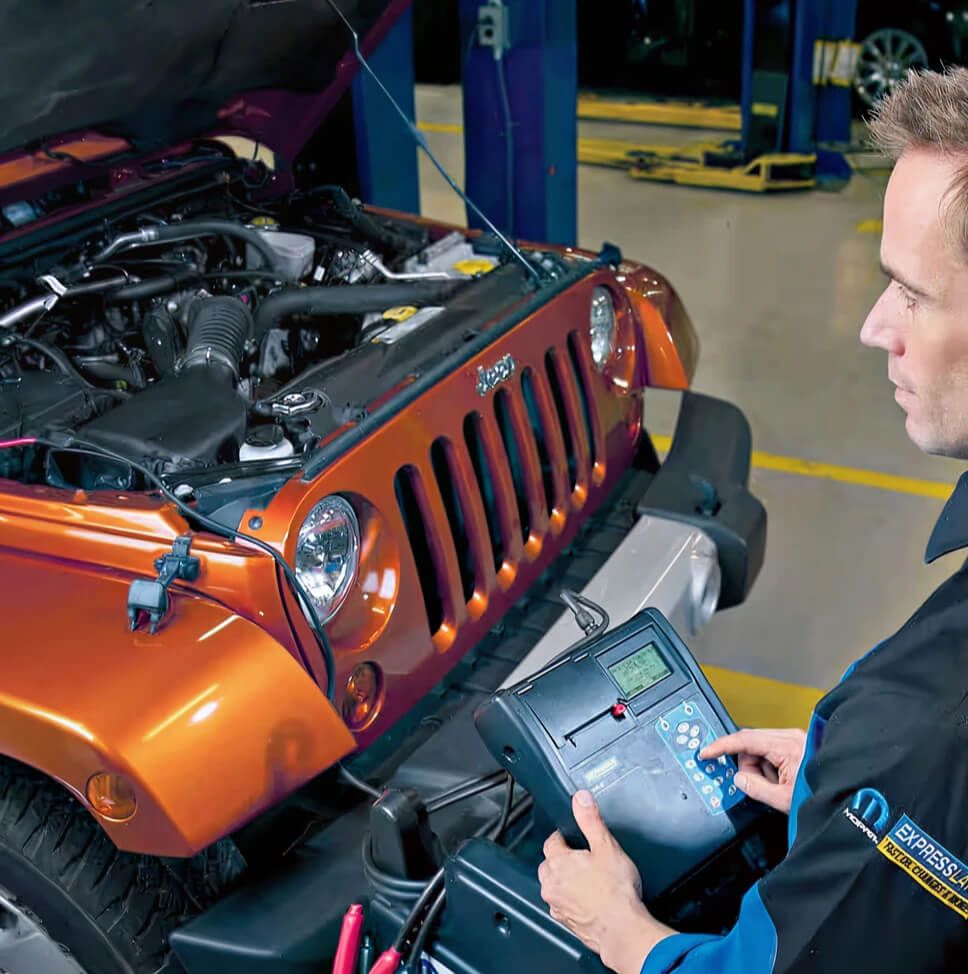
Modern Wrangler engines use advanced controls and sensors. A proper inspection includes scanning for stored fault codes and checking whether the engine management system works correctly.
- ✦ Engine Oil Check
Inspect oil level, condition, and possible leaks around the engine area.
- ✦ Cooling System Review
Check coolant level, radiator condition, hoses, and signs of overheating.
- ✦ Air Intake Inspection
Inspect air filters and intake components to support proper engine airflow.
Common Engine Problems Found During Inspection
Common findings include oil leaks, worn belts, dirty filters, weak batteries, and cooling system problems. Finding these issues early can prevent major engine damage.
Owners who drive in dusty areas or take trails often should inspect engine-related parts more frequently.
Transmission and Drivetrain System Inspection
The transmission and drivetrain systems are critical for Jeep Wrangler performance. These components transfer engine power to the wheels and must handle both normal driving and off-road conditions.
During inspection, technicians check transmission operation, fluid condition, leaks, driveshaft components, differentials, and four-wheel-drive engagement.

- ✦ Transmission Fluid Inspection
Check fluid condition and look for signs of overheating or contamination.
- ✦ Differential Check
Inspect axle fluids and housing areas for leaks or damage.
- ✦ 4WD System Test
Confirm four-wheel-drive modes engage correctly and smoothly.
Off-Road Drivetrain Inspection
Trail use can place extra pressure on drivetrain parts. Mud, water, and rocks may damage seals or create unusual wear.
A post-adventure inspection is useful after difficult trails, especially if the Wrangler was exposed to deep water or heavy impacts.
Brake System and Tire Inspection
The brake system is one of the most important safety areas in the Complete Guide to Jeep Wrangler Maintenance Inspection by Vehicle System. Brake components experience heavy loads because Wranglers are often equipped with larger tires and used in demanding conditions.
A complete inspection includes brake pads, rotors, calipers, brake fluid, tire condition, and wheel alignment.

- ✦ Brake Pad Evaluation
Measure pad thickness and check for uneven wear patterns.
- ✦ Tire Condition Review
Inspect tread depth, sidewalls, pressure, and signs of damage.
- ✦ Wheel Alignment Check
Confirm proper alignment to reduce tire wear and improve handling.
Why Tire Inspection Matters for Wrangler Owners
Many Jeep owners upgrade tires for off-road use. Larger tires can change handling and place extra stress on steering and suspension parts.
Regular tire checks help maintain traction and reduce unexpected failures.
Suspension and Steering System Inspection
The Jeep Wrangler suspension system allows it to handle rough terrain while maintaining road control. Regular inspection checks shocks, springs, control arms, bushings, ball joints, and steering components.
Loose or damaged suspension parts can create vibration, uneven tire wear, and reduced handling confidence.
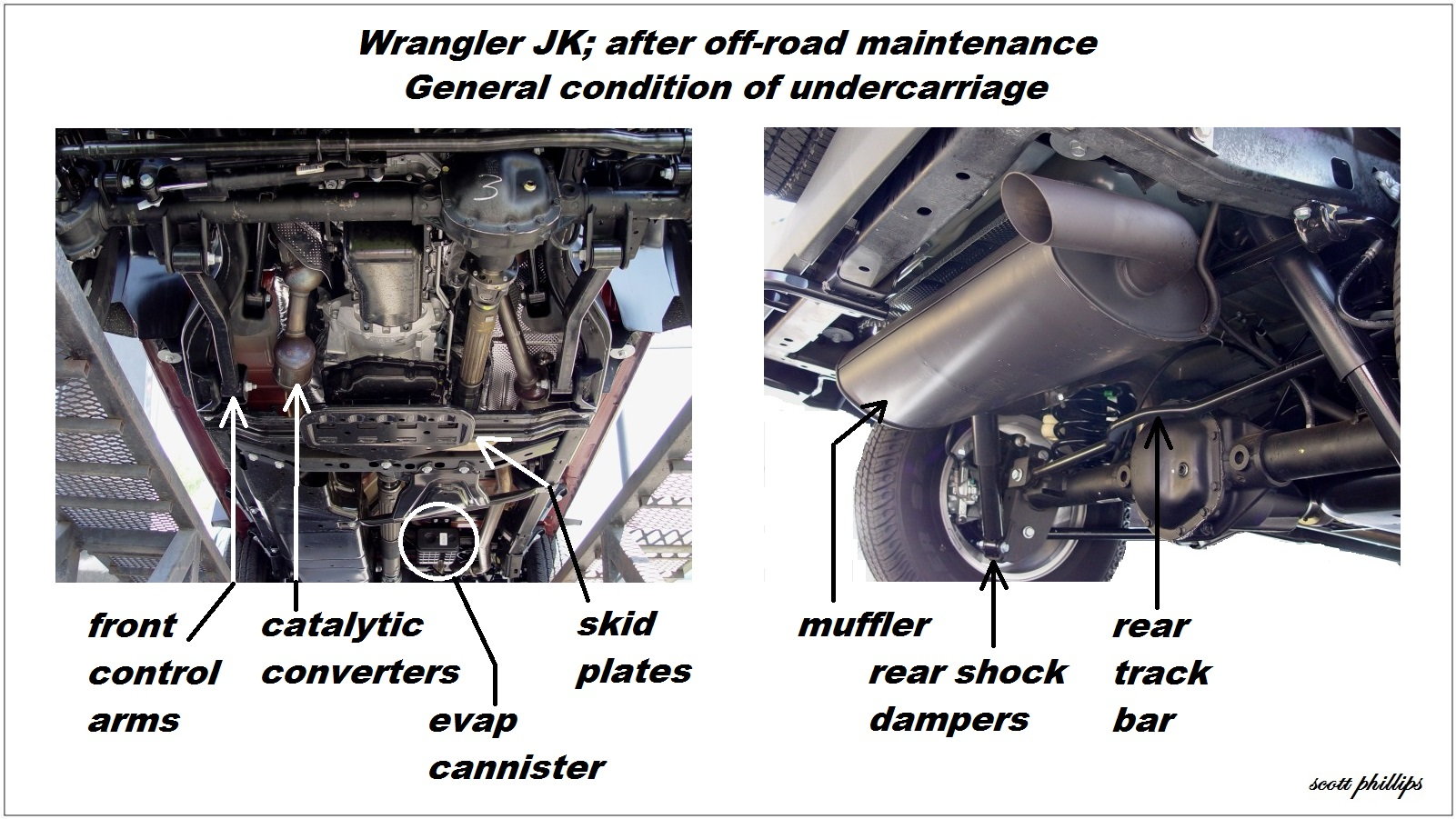
- ✦ Shock Absorber Check
Look for leaks, weak damping, and reduced ride quality.
- ✦ Steering Component Review
Inspect steering links, joints, and connections for looseness.
Inspection After Off-Road Driving
After trail driving, inspect suspension parts for mud buildup, loose hardware, and impact damage.
Cleaning and checking these areas can prevent long-term corrosion and mechanical issues.
Electrical System and Technology Inspection
Modern Jeep Wranglers rely on many electronic systems. A complete inspection checks the battery, alternator, wiring, sensors, lights, infotainment, and safety electronics.
Electrical issues can be difficult to diagnose because one faulty connection may affect several vehicle functions.
- ✦ Battery Health Test
Check battery voltage, terminals, and charging performance.
- ✦ Sensor Inspection
Scan electronic systems for errors and unusual readings.
- ✦ Lighting Review
Confirm headlights, brake lights, and auxiliary lights operate correctly.
Software and Diagnostic Checks
Diagnostic tools help technicians identify hidden issues stored inside vehicle modules.
Regular scanning is useful for newer Wrangler models with advanced electronic features.
Interior, Safety, and Body Inspection
A complete Jeep Wrangler inspection also includes interior and body checks. These areas affect comfort, safety, and ownership experience.
Technicians inspect seat belts, airbags, doors, roof components, windows, and signs of rust or body damage.
- ✦ Safety Equipment
Verify airbags, seat belts, and warning indicators work properly.
- ✦ Body Condition
Check for corrosion, damage, and loose exterior components.
Maintaining a Wrangler Used for Adventure
Adventure vehicles need more than mechanical care. Cleaning, rust prevention, and regular body checks protect the Wrangler over time.
Owners in areas with snow and road salt should pay extra attention to corrosion prevention.
Frequently Asked Questions about Complete Guide to Jeep Wrangler Maintenance Inspection by Vehicle System

Jeepexplorerr
Contributor