The complete Guide to Jeep Adaptive Cruise Control Sensors and System Operation explains how this advanced driver assistance feature works in real driving conditions. In the United States, many Jeep owners use ACC during highway trips, long commutes, and busy freeway traffic where speed changes happen often.
From my experience studying vehicle safety systems, the biggest factor behind reliable ACC performance is understanding the sensors. A driver who knows where sensors are located, how they collect information, and why warnings appear can solve many common problems faster.

What Is Jeep Adaptive Cruise Control and How Does It Work?
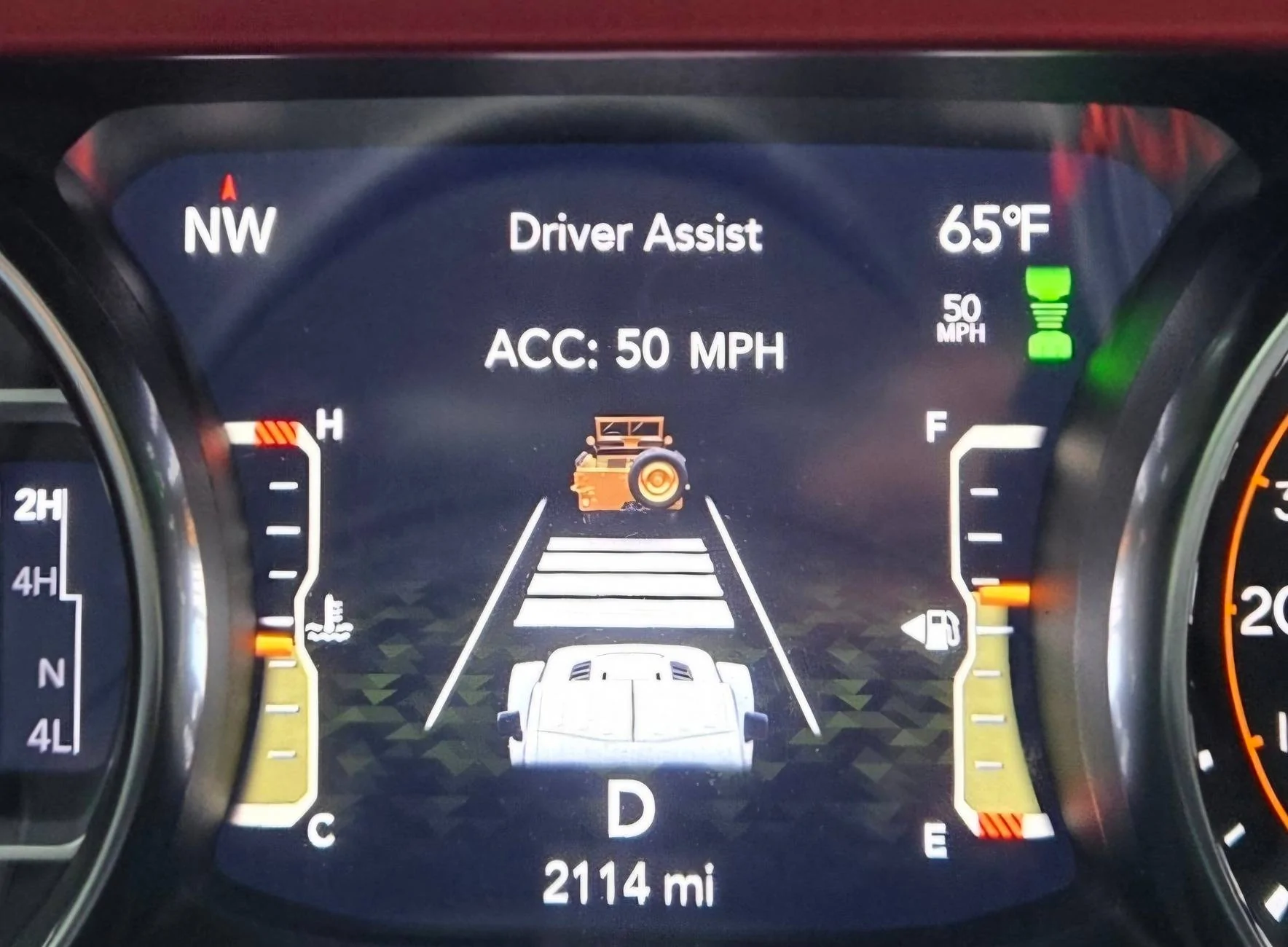
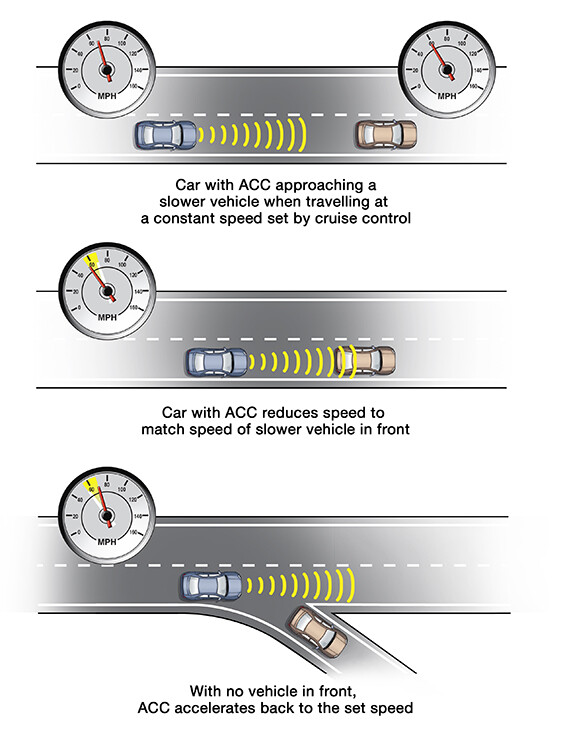
The Complete Guide to Jeep Adaptive Cruise Control Sensors and System Operation starts with the basic idea behind ACC. Traditional cruise control keeps a selected speed, but adaptive cruise control can slow down or speed up based on traffic ahead.
Jeep ACC uses sensors to measure the distance between your vehicle and another vehicle. The system then sends commands to the engine, transmission, and braking systems to maintain a chosen gap.
- ✦ Speed Control
The system adjusts throttle input to keep the Jeep near the selected cruising speed.
- ✦ Distance Management
ACC detects vehicles ahead and changes speed to maintain a driver-selected following distance.
- ✦ Driver Support
The technology helps reduce fatigue but still requires active driver attention.
How ACC Differs From Regular Cruise Control
Regular cruise control does not react to traffic changes. It continues holding speed until the driver brakes or turns it off.
Adaptive cruise control adds awareness through sensors. It can recognize slower vehicles and respond automatically.
- ✦ Regular Cruise Control
Maintains speed without monitoring traffic.
- ✦ Adaptive Cruise Control
Monitors traffic flow and adjusts speed when needed.
Jeep Adaptive Cruise Control Sensors and Their Locations
The Complete Guide to Jeep Adaptive Cruise Control Sensors and System Operation requires a clear look at sensor placement. Jeep models usually place radar sensors behind the front grille area or near the front bumper.
Some Jeep models also use forward-facing cameras near the windshield. These sensors work together to create a complete view of road conditions.

- ✦ Radar Sensor
Measures distance and speed of vehicles ahead using radar waves.
- ✦ Front Camera
Helps identify lanes, vehicles, and road information.
- ✦ Vehicle Control Modules
Process sensor data and control ACC functions.
Why Sensor Location Matters
A small change in sensor position can affect accuracy. Even minor bumper damage or incorrect repairs may change sensor alignment.
Technicians often inspect sensor mounting points after collisions because ACC depends on precise measurements.
- ✦ Front Impact Damage
Bumper damage can move radar sensors away from their designed position.
How Jeep ACC Radar and Camera Systems Communicate
The Complete Guide to Jeep Adaptive Cruise Control Sensors and System Operation includes the communication process between hardware components. Sensors collect road data and send information to vehicle computers.
The control module analyzes speed, distance, and driver settings before deciding whether to accelerate, maintain speed, or reduce speed.

- ✦ Data Collection
Sensors continuously gather information about nearby vehicles.
- ✦ Computer Processing
Control modules calculate safe responses using sensor information.
- ✦ Vehicle Response
The Jeep changes throttle or braking behavior based on system decisions.
The Role of Electronic Control Modules
Modern Jeep vehicles use several computers that communicate through the vehicle network. These modules allow safety systems to work together.
ACC operation depends on accurate communication between sensors, braking systems, and powertrain controls.
Common Jeep Adaptive Cruise Control Problems and Warning Messages
The Complete Guide to Jeep Adaptive Cruise Control Sensors and System Operation also covers common problems owners may experience. Most ACC issues come from blocked sensors, weather conditions, or calibration problems.
A warning message does not always mean a major failure. Simple checks can often identify the cause before professional service is needed.

- ✦ Blocked Radar Sensor
Mud, snow, ice, or dirt can prevent accurate radar readings.
- ✦ Sensor Calibration Error
Repairs or impacts may require professional sensor calibration.
- ✦ Electrical Issues
Low voltage or communication problems can affect ACC operation.
Steps Owners Can Try First
Start by checking the front grille and windshield camera area. Clean surfaces can restore normal operation in many cases.
If the warning remains, a diagnostic scan can reveal stored system faults.
- ✦ Clean Sensors
Remove dirt, snow, and debris from sensor areas.
Jeep ACC Calibration and Maintenance Requirements
The Complete Guide to Jeep Adaptive Cruise Control Sensors and System Operation shows why calibration matters. Modern driver assistance systems need accurate sensor angles to work correctly.
Calibration may become necessary after windshield replacement, bumper repairs, suspension changes, or collision repairs.
- ✦ Windshield Replacement
Camera systems may require adjustment after glass replacement.
- ✦ Collision Repair
Impact repairs may change sensor alignment.
- ✦ Routine Inspection
Regular checks help identify damage before system failure.
Professional Calibration Tools
Service centers use specialized equipment to check sensor position and system accuracy. Calibration procedures depend on the Jeep model and sensor design.
Correct calibration helps maintain expected ACC behavior during highway driving.
Benefits and Limitations of Jeep Adaptive Cruise Control
The Complete Guide to Jeep Adaptive Cruise Control Sensors and System Operation should include both advantages and limits. ACC can make long drives easier, but it is not a fully autonomous driving system.
Drivers must remain alert and ready to brake or steer at any moment. The system works best as a support feature.
- ✦ Reduced Highway Fatigue
ACC helps manage speed changes during long highway trips.
- ✦ Better Traffic Flow
The system can smoothly adjust speed in changing traffic.
- ✦ Human Responsibility
Drivers must always monitor road conditions.
Situations Where ACC May Struggle
Heavy rain, snow, sharp curves, and blocked sensors can reduce system performance.
Drivers should understand these limits before depending on ACC.
Frequently Asked Questions about Complete Guide to Jeep Adaptive Cruise Control Sensors and System Operation

Jeepexplorerr
Contributor