The Complete Guide to Jeep Lane-Assist Forward-Collision and Driver-Assist Technology explains how modern Jeep safety systems work in daily driving. These tools are designed to reduce driver stress and provide extra awareness on highways, city streets, and long trips across the United States.
After studying vehicle safety systems, one important lesson stands out: drivers get the best results when they understand what technology can and cannot do. Jeep driver-assist features are helpful support tools, but the driver remains responsible for steering, braking, and making decisions.

What Is Jeep Driver-Assist Technology?
The Complete Guide to Jeep Lane-Assist Forward-Collision and Driver-Assist Technology starts with understanding ADAS, which means Advanced Driver Assistance Systems. These systems use cameras, radar sensors, and computer controls to watch road conditions.
Jeep vehicles may include features such as lane departure warning, lane keeping assist, forward collision warning, automatic emergency braking, adaptive cruise control, and Active Driving Assist.
- ✦ Camera systems
Cameras help detect lane markings, vehicles, and road patterns.
- ✦ Radar sensors
Radar helps measure distance and movement between vehicles.
- ✦ Control software
Software processes sensor information and provides warnings or assistance.
Why Jeep Uses These Systems
Modern drivers face busy roads, distracted traffic, and long highway trips. Jeep safety technology adds another layer of awareness during these situations.
- ✦ Driver support
The system helps reduce workload during normal driving conditions.
How Jeep Lane Assist and Lane Keeping Features Work
Jeep lane-assist technology watches lane markings through forward-facing cameras. When the vehicle starts moving outside its lane without a turn signal, the system may warn the driver or apply gentle steering correction.
The Complete Guide to Jeep Lane-Assist Forward-Collision and Driver-Assist Technology shows that lane systems work best when road markings are clear. Heavy rain, snow, faded lines, or construction zones can reduce performance.

- ✦ Lane Departure Warning
Provides alerts when the vehicle leaves a detected lane.
- ✦ Lane Keeping Assist
Can provide small steering inputs to help maintain lane position.
Common Lane Assist Limitations
Drivers should not rely on lane assist as an automatic driving system. The driver must keep hands ready and remain focused at all times.
- ✦ Weather impact
Snow, fog, and heavy rain may block sensor visibility.
Understanding Jeep Forward Collision Warning and Automatic Braking
Forward collision warning is designed to detect possible front-end collision risks. The system can alert the driver with visual and audio warnings when it detects a rapidly closing distance.
Some Jeep models include automatic emergency braking, which can apply braking force when the system detects a possible impact and the driver does not react quickly enough.

- ✦ Forward Collision Warning
Warns drivers about possible front vehicle collisions.
- ✦ Automatic Emergency Braking
May reduce impact speed by applying brakes in certain conditions.
Real World Driving Benefits
This technology can be useful in heavy traffic, sudden stops, and busy parking areas. It works as a backup layer, not as a replacement for attention.
- ✦ Traffic awareness
Helps drivers notice changing distances between vehicles.
Jeep Active Driving Assist and Highway Support Features
Jeep Active Driving Assist combines several technologies to support highway driving. It can help with lane centering and adaptive cruise control on compatible roads.
The Complete Guide to Jeep Lane-Assist Forward-Collision and Driver-Assist Technology explains that these systems are classified as driver assistance. They still require an attentive driver.
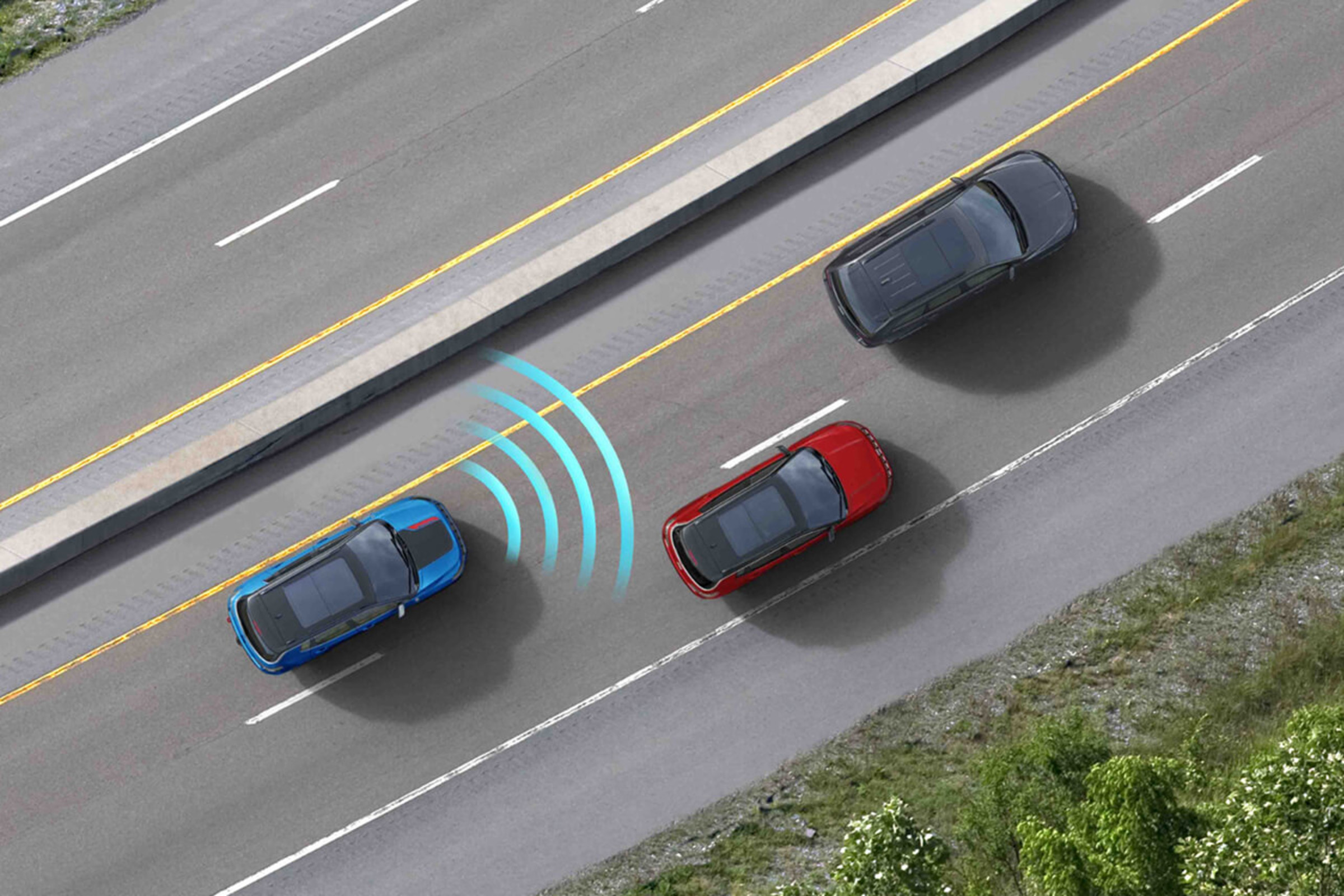
- ✦ Adaptive Cruise Control
Adjusts vehicle speed to maintain distance from traffic ahead.
- ✦ Lane Centering
Helps keep the vehicle positioned within detected lanes.
Highway Driving Tips
Keep your eyes on the road and your hands available for control. Clean sensors and clear lane markings improve system performance.
- ✦ Stay alert
Always monitor traffic even when assistance features are active.
Sensors, Cameras, and Maintenance Requirements
Driver-assist technology depends on accurate sensor information. Dirt, ice, road debris, or damage near cameras and sensors can affect operation.
Regular vehicle care helps maintain reliable performance. Owners should follow Jeep service recommendations and check warning messages when they appear.

- ✦ Clean sensor areas
Remove dirt or snow from cameras and radar locations.
- ✦ Check warning lights
Review dashboard messages if safety systems stop working.
Calibration After Repairs
Windshield replacement, bumper repairs, or sensor damage may require system calibration. Proper calibration helps cameras and sensors measure road conditions correctly.
- ✦ Professional service
Use qualified technicians for ADAS calibration work.
Frequently Asked Questions about Complete Guide to Jeep Lane-Assist Forward-Collision and Driver-Assist Technology

Jeepexplorerr
Contributor