The Complete Guide to Jeep Parking Sensors Blind-Spot Monitoring and detection Systems explains how modern Jeep safety technology works in real driving conditions. These systems help drivers park in tight spaces, change lanes with more confidence, and notice objects they may miss through mirrors.
From my experience studying vehicle electronics and driver assistance systems, many Jeep owners understand the warnings but do not know what happens behind the scenes. A small sensor, radar module, or wiring fault can change how these features behave. Learning the basics helps drivers diagnose problems before they become expensive repairs.
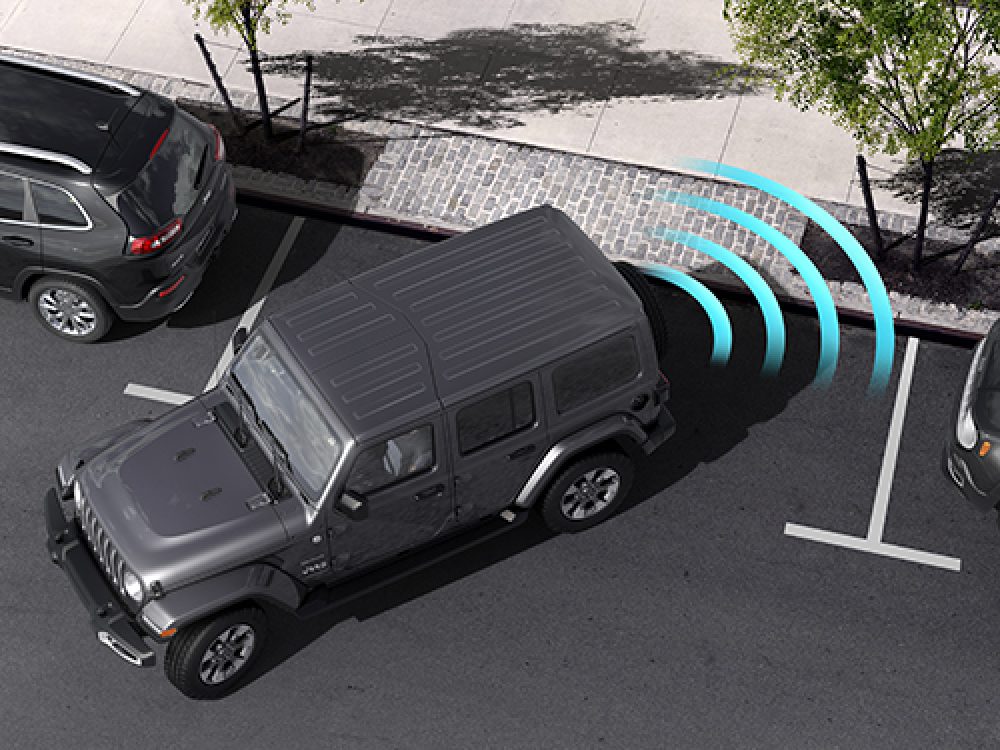
How Jeep Parking Sensors and Detection Systems Work
Jeep parking sensors are part of an electronic safety network designed to help drivers detect objects around the vehicle. Most systems use ultrasonic sensors placed in the front or rear bumper. These sensors send sound waves and measure the returning signal.
The vehicle computer calculates the distance between the Jeep and nearby objects. When the distance becomes shorter, the system creates warning sounds or visual alerts. This helps during parking, reversing, and slow-speed driving.
- ✦ Ultrasonic sensors
These sensors detect nearby objects such as walls, vehicles, poles, and other obstacles.
- ✦ Control module
The module processes sensor information and decides when warnings should appear.
- ✦ Driver alerts
Warnings may include dashboard messages, sounds, and screen indicators.
Understanding Jeep ParkSense Technology
Many Jeep models use ParkSense parking assist technology. The system supports drivers by monitoring the area near the vehicle during parking movements.
ParkSense does not replace careful driving. Drivers still need to check mirrors, cameras, and surroundings before moving.
- ✦ Low-speed assistance
Parking sensors mainly operate when the Jeep moves slowly during parking or reversing.
Jeep Blind-Spot Monitoring and Rear Cross Path Detection Explained
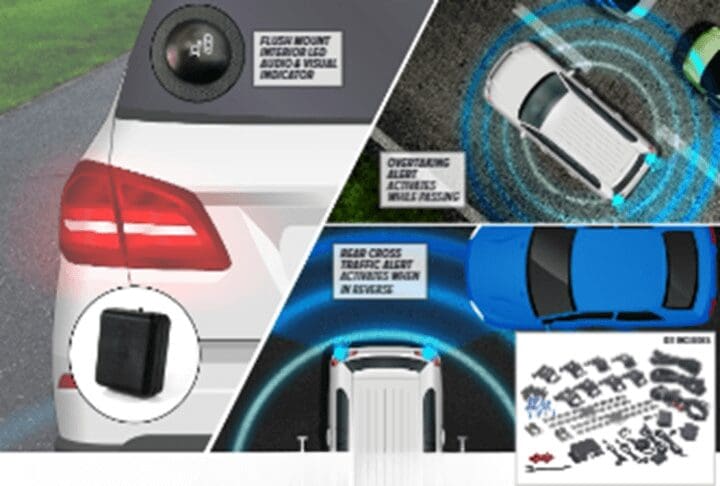
Blind-spot monitoring helps detect vehicles that may sit outside the driver’s normal mirror view. Jeep systems often use radar sensors placed near the rear bumper areas.
The system watches nearby lanes and alerts the driver when another vehicle enters a blind area. Rear Cross Path Detection works in a similar way by watching traffic approaching from the sides while reversing.

- ✦ Radar detection
Radar sensors measure nearby objects and their movement around the Jeep.
- ✦ Mirror indicators
Many Jeep models use warning lights inside or near the side mirrors.
- ✦ Lane change support
The system provides extra awareness before a driver changes lanes.
Why Blind-Spot Monitoring Matters in Daily Driving
American drivers often deal with crowded highways, large parking lots, and busy urban roads. Blind-spot monitoring adds another layer of awareness during these situations.
The system works best when drivers combine alerts with proper mirror adjustment and shoulder checks.
- ✦ Extra awareness
The system helps drivers notice vehicles they may overlook.
Common Jeep Parking Sensor Problems and Warning Messages
A Jeep parking sensor system can stop working correctly for several reasons. Dirt, snow, road debris, bumper damage, and electrical faults are common causes.
Drivers may see messages such as parking sensor unavailable, blind spot monitoring unavailable, or service required. These messages usually point to a sensor, connection, or system issue.

- ✦ Dirty sensors
Mud, ice, or road salt can block sensor operation.
- ✦ Damaged bumper areas
Even small impacts can affect sensor alignment.
- ✦ Electrical problems
Bad wiring or connectors can interrupt communication.
Basic Troubleshooting Steps
Start by cleaning the sensor surfaces with a soft cloth. Check for visible damage around the bumper and confirm that no aftermarket parts block the sensors.
If the warning remains, a diagnostic scan can help identify sensor faults or communication errors.
- ✦ Clean first
Remove dirt and moisture before replacing parts.
How Radar Sensors and Cameras Work Together in Jeep Safety Systems
Modern Jeep safety systems combine different technologies. Radar sensors detect movement, ultrasonic sensors measure distance, and cameras provide visual information.
Each system has a specific role. Together, they create a wider safety network that supports parking, reversing, and highway driving.
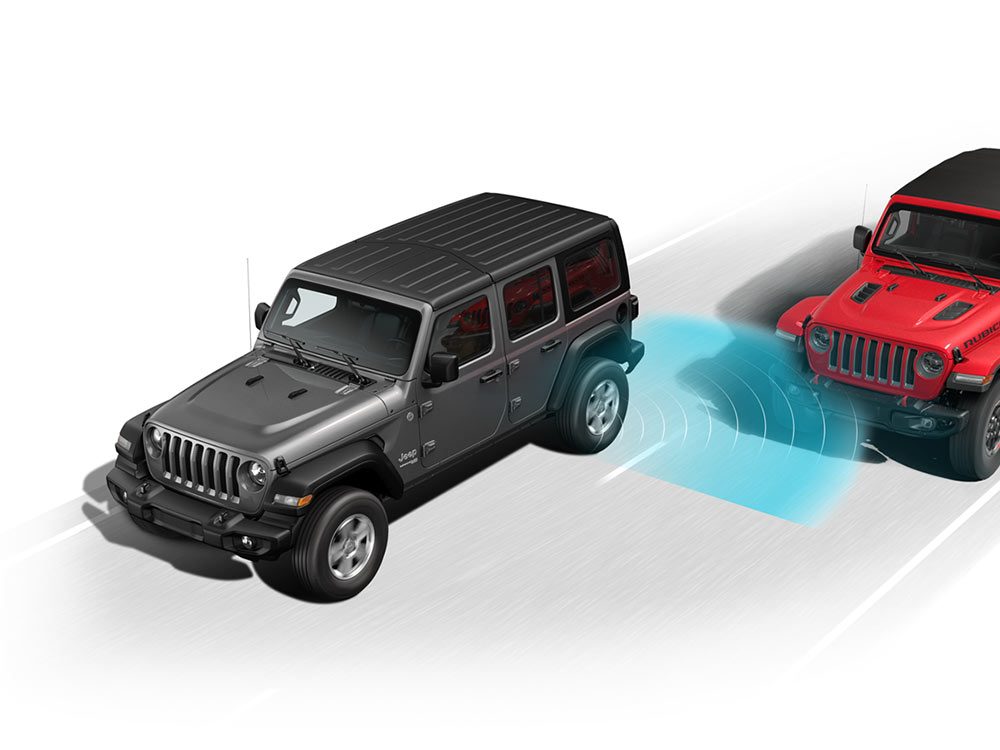
- ✦ Radar sensors
Radar detects moving objects around the vehicle.
- ✦ Cameras
Cameras provide visual views through the infotainment display.
- ✦ Computer processing
Vehicle modules combine sensor data to create alerts.
Sensor Placement on Jeep Vehicles
Jeep sensor locations vary by model and year. Common areas include bumpers, mirrors, and rear side panels.
Knowing sensor locations helps owners avoid blocking or damaging these important components.
- ✦ Rear bumper sensors
Used mainly for parking assistance and object detection.
Maintenance Tips for Jeep Parking Sensors and Blind-Spot Systems
Regular care helps Jeep detection systems perform correctly. These parts work outside the vehicle, so they face rain, dirt, salt, and road impacts.
Simple maintenance habits can prevent many false warnings and sensor failures.
- ✦ Clean sensors often
Keep bumper sensors free from dirt and ice.
- ✦ Inspect after impacts
Check sensors after minor crashes or bumper repairs.
- ✦ Use correct parts
Aftermarket modifications may affect sensor performance.
When Professional Diagnosis Is Needed
Some sensor problems require professional tools. A technician can check stored fault codes, sensor communication, and calibration settings.
Replacing a sensor without testing may waste money because the real problem could be wiring or module communication.
- ✦ Diagnostic scanning
Professional scanners reveal electronic faults.
Frequently Asked Questions about Complete Guide to Jeep Parking Sensors Blind-Spot Monitoring and Detection Systems

Jeepexplorerr
Contributor