The Complete Guide to Jeep Wrangler Fender Systems and Wheel Opening Clearance explains how one of the most important Jeep body systems works. Fender parts may look simple, but they control tire coverage, protect the vehicle body, and affect how much suspension travel your Jeep can use.
From my experience studying Jeep builds and common owner upgrades, many clearance problems start with poor fender planning. A larger tire does not only need lift height. It also needs enough space inside the wheel opening during steering, compression, and trail articulation.
For U.S. Jeep owners, the right fender setup matters for both highway use and off-road adventures. Whether you drive a Wrangler JL, JK, TJ, or another generation, understanding fender design helps you choose better upgrades.

Understanding Jeep Wrangler Fender Systems and Their Purpose
The Complete Guide to Jeep Wrangler Fender Systems and Wheel Opening Clearance starts with understanding what fenders do. A Jeep fender system includes the outer fender, inner fender liner, fender flare, mounting hardware, and related protection parts.
The main job of a fender is to cover the wheel area. It helps stop mud, water, and road debris from hitting the body and other vehicles. Fender flares also give the Wrangler its classic rugged appearance.
- ✦ Body Protection
Fenders reduce damage from rocks, dirt, and debris thrown by rotating tires.
- ✦ Tire Coverage
Fender flares help keep wider tires covered for safer street driving.
- ✦ Wheel Clearance
Proper fender design creates more room for larger tires and suspension movement.
Main Fender Components
A Wrangler fender system has several connected parts. The outer flare is the visible section, while the inner liner protects engine bay and suspension areas from water and dirt.
- ✦ Outer Fender Flare
Provides tire coverage and improves the exterior style of the Jeep.
- ✦ Inner Fender Liner
Blocks debris and protects important mechanical components.
How Wheel Opening Clearance Affects Jeep Performance
Wheel opening clearance is the available space around the tire inside the fender area. It affects steering movement, suspension compression, and off-road capability.
The Complete Guide to Jeep Wrangler Fender Systems and Wheel Opening Clearance shows why clearance should be measured before installing bigger tires. A tire that fits while parked may rub when the suspension moves.
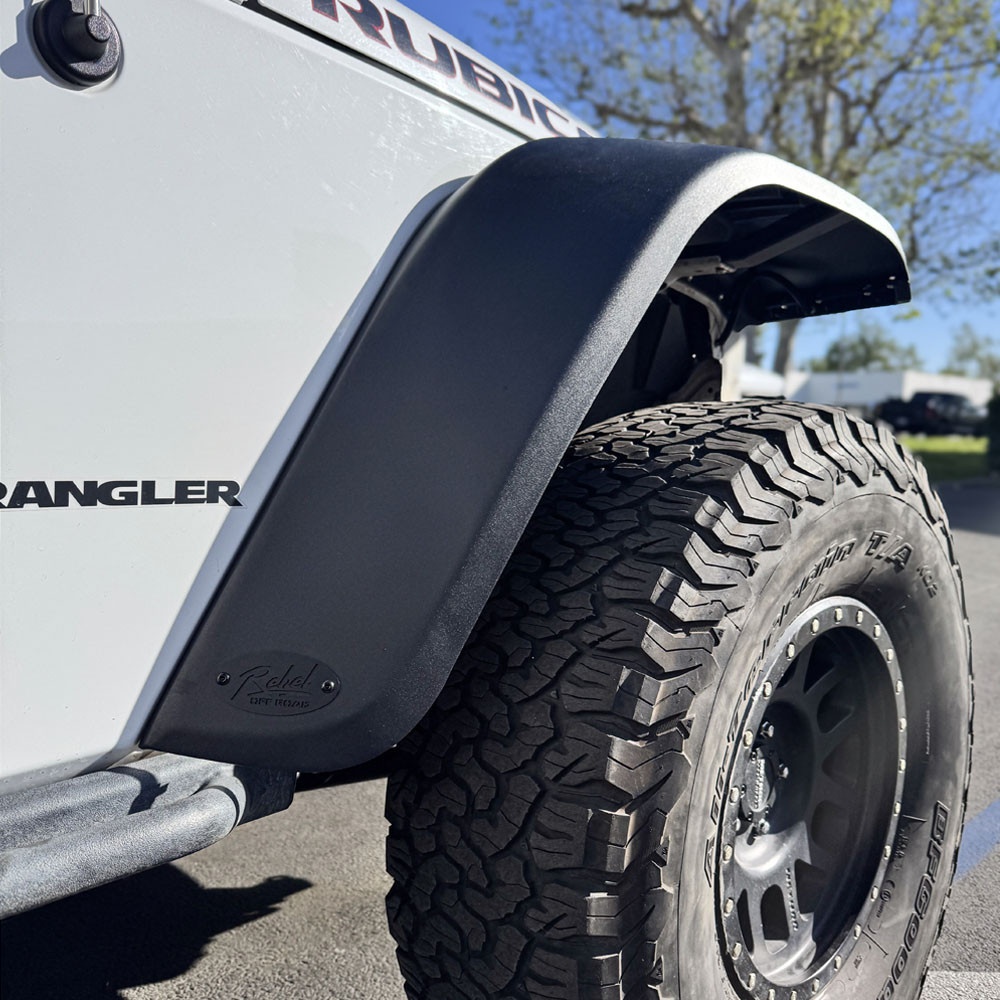
- ✦ Tire Diameter
Larger tires require more vertical space inside the wheel opening.
- ✦ Wheel Offset
Wheel offset changes how far the tire sits inside or outside the fender.
- ✦ Suspension Travel
More suspension movement requires additional clearance around the tire.
Common Signs of Poor Clearance
Tire rubbing is the most common sign of limited clearance. Drivers may hear scraping sounds during turns or when driving over uneven ground.
Repeated rubbing can damage tires, fender liners, and body panels over time.
- ✦ Rubbing Noise
Grinding or scraping sounds often show contact between tires and body parts.
Jeep Wrangler Fender Flare Types and Upgrade Options
The Complete Guide to Jeep Wrangler Fender Systems and Wheel Opening Clearance includes several common flare styles. Each option changes appearance, protection, and available tire space.
Factory flares work well for normal driving, but many off-road users choose aftermarket designs for improved clearance and durability.

- ✦ Factory Fender Flares
Designed for balanced protection, comfort, and everyday use.
- ✦ High Clearance Flares
Create more room for larger tires during off-road driving.
- ✦ Flat Fenders
Reduce the outer profile and increase wheel opening space.
Choosing Fender Material
Fender flares are commonly made from plastic, aluminum, or composite materials. Flexible plastic can handle light impacts, while stronger materials suit demanding trail use.
- ✦ Plastic
Lightweight and affordable for most daily drivers.
- ✦ Metal
Offers stronger protection for extreme off-road conditions.
Factors That Change Jeep Wrangler Fender Clearance
Many Jeep owners focus only on lift kits when planning larger tires. However, the Complete Guide to Jeep Wrangler Fender Systems and Wheel Opening Clearance shows that several parts work together.
A small change in wheel size, offset, or suspension setup can change how the tire moves inside the wheel opening.

- ✦ Lift Height
A lift increases vertical space but does not always solve every rubbing issue.
- ✦ Wheel Backspacing
Different backspacing changes tire position and side clearance.
- ✦ Tire Width
Wider tires may contact fender edges during steering.
Checking Clearance Before Upgrades
A simple clearance test can prevent expensive mistakes. Turn the steering wheel fully and inspect possible contact points before buying new parts.
- ✦ Measure First
Check current tire space before selecting new wheels or tires.
Installation and Maintenance Tips for Jeep Fender Systems
Proper installation keeps fender systems secure and prevents vibration problems. Loose hardware can allow flares to move or create gaps.
Routine checks are useful after off-road trips because rocks and trail impacts can damage mounting points.

- ✦ Inspect Hardware
Check bolts, clips, and mounting points regularly.
- ✦ Clean Fender Areas
Remove mud and debris to prevent buildup and corrosion.
Professional Installation Advice
When installing larger tires or high clearance fenders, test suspension movement before final tightening. This helps find hidden rubbing issues.
- ✦ Test Articulation
Move the suspension through its travel range to confirm safe clearance.
Frequently Asked Questions about Complete Guide to Jeep Wrangler Fender Systems and Wheel Opening Clearance

Jeepexplorerr
Contributor