The Complete Guide to Jeep Oxygen Sensor Operation and Fuel-Trim Feedback explains how a small exhaust sensor controls a major part of engine performance. In modern Jeep models sold across the United States, the oxygen sensor works with the engine computer to keep the air and fuel mixture balanced.
From my experience studying vehicle diagnostics, many fuel problems are not caused by the fuel system alone. A weak oxygen sensor signal, vacuum leak, or incorrect fuel trim reading can lead technicians toward the wrong repair. Understanding sensor operation makes troubleshooting faster and more accurate.

Understanding Jeep Oxygen Sensor Basics and Engine Feedback Control
The Complete Guide to Jeep Oxygen Sensor Operation and Fuel-Trim Feedback starts with understanding the role of the oxygen sensor. The sensor measures oxygen remaining in the exhaust after combustion. The engine control unit uses this data to decide whether the engine needs more or less fuel.
A Jeep engine needs a balanced air-fuel mixture to run smoothly. Too much fuel creates a rich condition, while too little fuel creates a lean condition. The oxygen sensor helps the computer make constant corrections during normal driving.
- ✦ Oxygen measurement
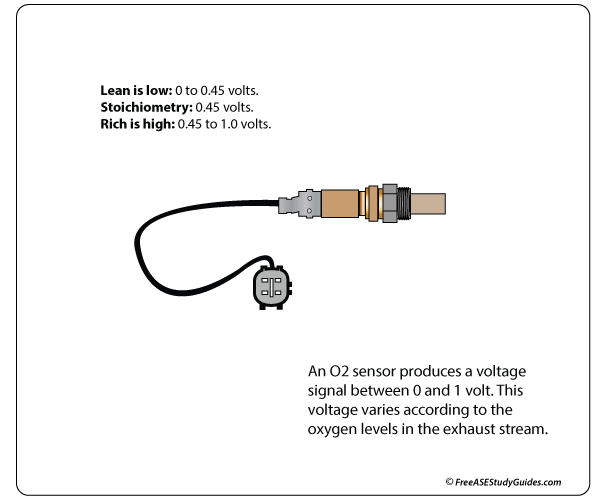
The sensor detects oxygen levels in exhaust gases and creates a voltage signal for the engine computer.
- ✦ Engine adjustment
The ECU changes injector timing and fuel amount based on sensor feedback.
- ✦ Emission control
Correct fuel control helps the catalytic converter work properly and reduces harmful emissions.
How the Jeep ECU Uses Oxygen Sensor Data
The ECU reads oxygen sensor information many times per second after the engine reaches operating temperature. It compares the signal with programmed fuel maps and adjusts fuel delivery.
This closed-loop system allows the Jeep to react to changing conditions such as altitude, temperature, driving style, and engine load.
- ✦ Closed-loop operation
The ECU actively adjusts fuel based on live oxygen sensor feedback.
Upstream and Downstream Jeep Oxygen Sensor Differences
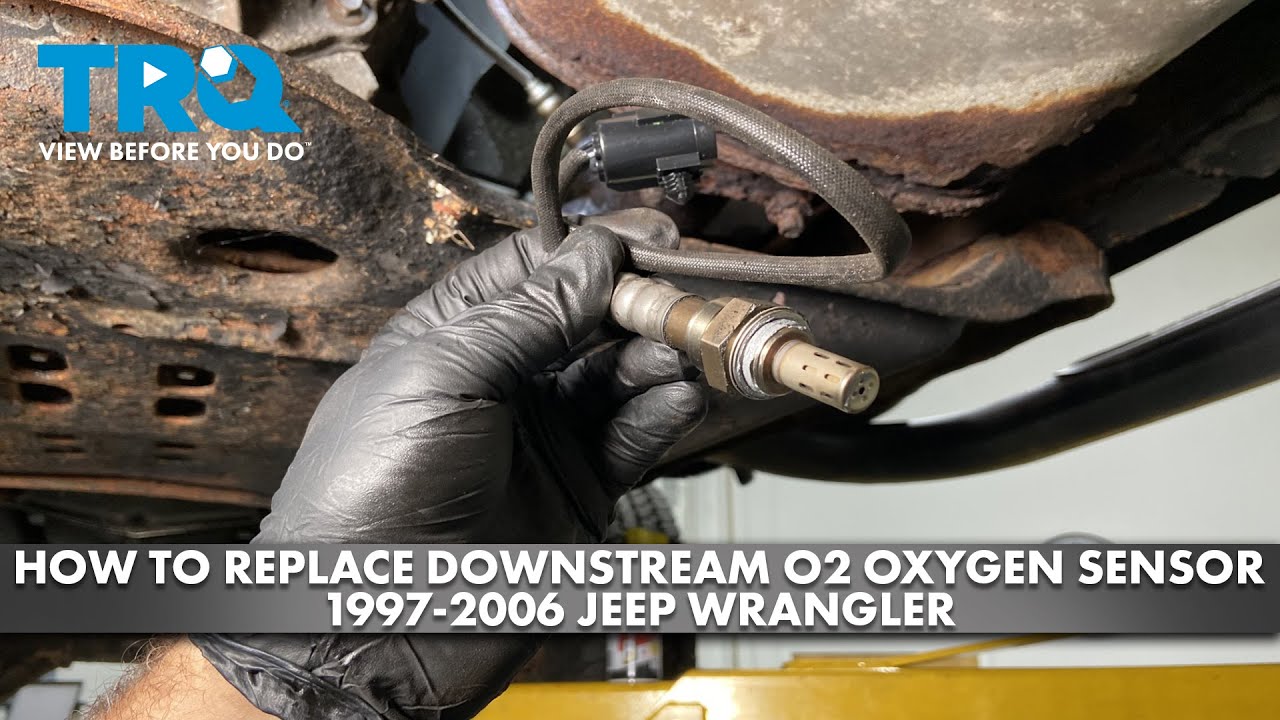
Most modern Jeeps use multiple oxygen sensors placed before and after the catalytic converter. Each sensor has a different job in the fuel control and emissions system.
The upstream oxygen sensor controls fuel mixture adjustments. The downstream oxygen sensor mainly checks catalytic converter performance and helps monitor emissions efficiency.
- ✦ Upstream sensor
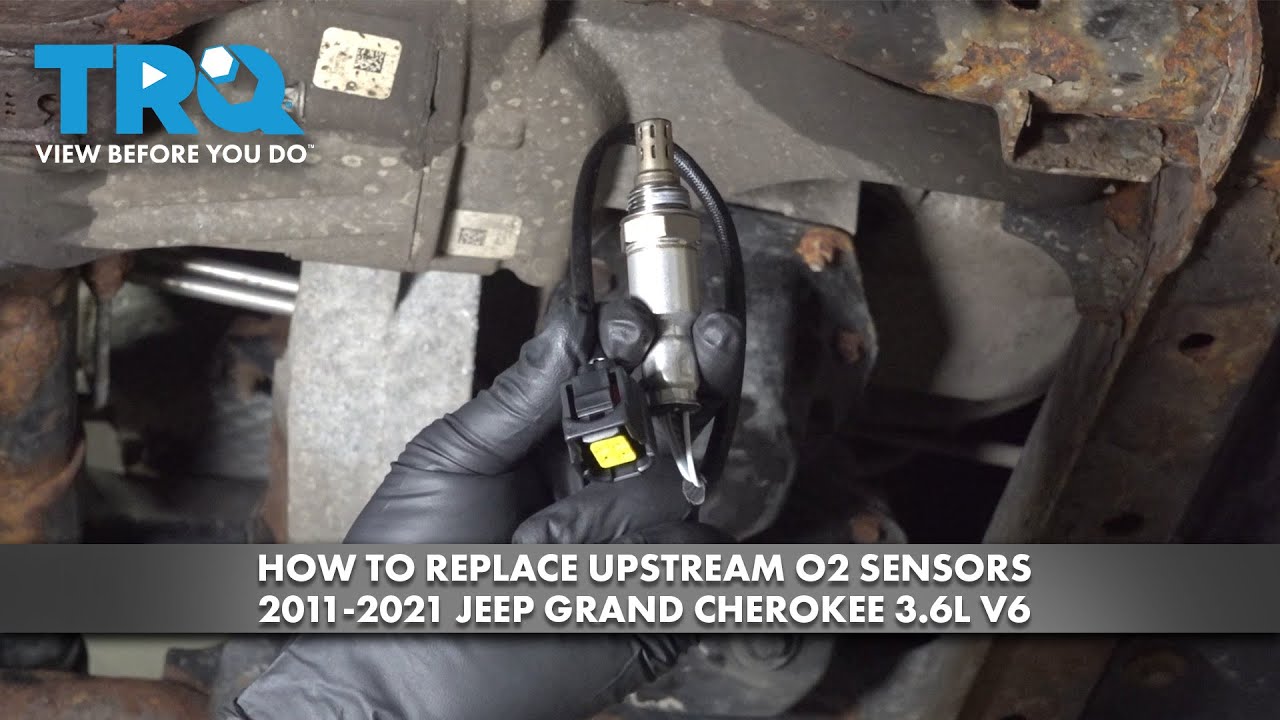
Located before the catalytic converter and used for fuel mixture corrections.
- ✦ Downstream sensor
Located after the catalytic converter and used to monitor catalyst operation.
Why Sensor Location Matters
A sensor installed in the wrong location can create incorrect readings. Jeep models may have different sensor positions depending on engine type and model year.
Correct identification saves time during repairs because replacing the wrong sensor does not solve fuel control problems.
- ✦ Bank and sensor numbers
Vehicle scan tools identify sensors by bank and position to prevent confusion.
How Fuel Trim Feedback Works in Jeep Engines
Fuel trim shows how much the ECU changes fuel delivery from its base calculation. It is one of the most useful diagnostic tools for understanding engine health.
The Complete Guide to Jeep Oxygen Sensor Operation and Fuel-Trim Feedback requires learning two main fuel trim values: short-term fuel trim and long-term fuel trim.
- ✦ Short-term fuel trim
Short-term fuel trim changes quickly based on immediate oxygen sensor feedback.
- ✦ Long-term fuel trim
Long-term fuel trim stores learned corrections from repeated driving conditions.
Reading Positive and Negative Fuel Trim
Positive fuel trim means the ECU adds fuel because it detects a lean condition. Negative fuel trim means the ECU removes fuel because it detects excess fuel.
Large fuel trim corrections often point to another problem instead of a bad oxygen sensor alone.
- ✦ Positive trim example
Possible causes include vacuum leaks, weak fuel pressure, or unmetered air.
- ✦ Negative trim example
Possible causes include leaking injectors, excessive fuel pressure, or incorrect sensor readings.
Common Jeep Oxygen Sensor Failure Symptoms
A failing oxygen sensor can affect fuel economy, engine response, and emissions performance. The symptoms often appear slowly because the ECU tries to compensate.
Many Jeep owners notice changes during daily driving before a warning light appears. Early diagnosis can prevent additional problems with catalytic converters and fuel systems.

- ✦ Check engine light
The ECU may store oxygen sensor or fuel mixture related trouble codes.
- ✦ Poor fuel economy
Incorrect fuel adjustments can cause the engine to use more fuel.
- ✦ Rough engine operation
Incorrect air-fuel balance can create hesitation or unstable idle.
Common Diagnostic Trouble Codes
Jeep oxygen sensor issues may trigger codes related to sensor response, heater circuits, or fuel mixture problems. A scan tool helps identify the system area that needs attention.
A code does not always mean the sensor itself failed. Technicians should inspect wiring, exhaust leaks, and fuel system conditions.
- ✦ Sensor codes
Codes can indicate slow response, incorrect voltage, or heater problems.
How to Diagnose Jeep Oxygen Sensors and Fuel Trim Problems
The Complete Guide to Jeep Oxygen Sensor Operation and Fuel-Trim Feedback includes practical testing methods. Proper diagnosis combines scan data, visual inspection, and basic electrical testing.
A professional technician usually checks fuel trims before replacing parts. This approach avoids unnecessary sensor replacement when the real problem comes from another engine system.
- ✦ Scan tool inspection
Live data shows oxygen sensor activity, fuel trims, and system corrections.
- ✦ Visual inspection
Inspect wiring, connectors, exhaust leaks, and sensor damage.
- ✦ Signal testing
Voltage changes help confirm whether the sensor responds correctly.
Why Replacing Sensors Without Testing Can Fail
Replacing an oxygen sensor may not fix a lean or rich condition caused by another issue. Vacuum leaks, dirty injectors, and exhaust leaks can create false sensor-related symptoms.
A complete diagnostic process protects your budget and improves repair accuracy.
- ✦ Test first
Confirm the failure before installing a replacement component.
Frequently Asked Questions about Complete Guide to Jeep Oxygen Sensor Operation and Fuel-Trim Feedback

Jeepexplorerr
Contributor