The Complete Guide to Jeep Manifold Pressure Sensors and Engine Load Measurement explains one of the most important systems inside modern Jeep engines. The manifold absolute pressure sensor, often called a MAP sensor, gives the engine control module information about air pressure inside the intake manifold. This data helps the computer understand how hard the engine is working.
From Jeep Wrangler models used on trails to Grand Cherokee models used for daily driving in the United States, accurate engine load data matters. I have seen many diagnostic cases where a small sensor issue created symptoms that looked like larger engine problems. Understanding how the MAP sensor works can save time, money, and frustration.

What Is a Jeep Manifold Pressure Sensor?
A Jeep manifold pressure sensor is an electronic device that measures the pressure inside the intake manifold. The sensor converts pressure changes into electrical signals that the engine computer can read. The computer uses this information to adjust fuel injection, ignition timing, and other engine functions.
The Complete Guide to Jeep Manifold Pressure Sensors and Engine Load Measurement starts with understanding that the MAP sensor does not measure airflow directly. Instead, it measures pressure changes caused by engine speed, throttle position, and load conditions.
- ✦ Pressure measurement
The MAP sensor reads intake manifold pressure and sends a changing voltage signal to the engine computer.
- ✦ Engine load calculation
The computer uses MAP data with other sensors to estimate how much work the engine is performing.
How MAP Sensors Differ From Other Air Sensors
A MAP sensor measures pressure, while a mass airflow sensor measures the amount of air entering the engine. Many Jeep engines rely on MAP-based calculations instead of a separate airflow meter.
The engine computer combines MAP readings with throttle position, engine speed, temperature, and oxygen sensor data to maintain efficient operation.
- ✦ MAP sensor role
Measures intake vacuum and pressure changes.
- ✦ Mass airflow sensor role
Measures incoming air volume directly.
How Jeep MAP Sensors Measure Engine Load
Engine load describes how much effort an engine needs to produce power at a specific moment. A Jeep climbing a hill has higher engine load than a Jeep cruising on a flat highway.
The Complete Guide to Jeep Manifold Pressure Sensors and Engine Load Measurement shows that MAP readings are one of the main inputs used to estimate this workload. Lower intake pressure usually means higher vacuum and lighter load. Higher pressure means the engine is working harder.

- ✦ Idle condition
The throttle is mostly closed, creating high vacuum and lower manifold pressure.
- ✦ Heavy acceleration
The throttle opens wider, reducing vacuum and increasing manifold pressure.
- ✦ Engine computer response
The ECU adjusts fuel and timing based on changing load information.
Why Engine Load Data Matters
Engine load information helps prevent poor combustion and inefficient fuel use. The computer needs accurate data to deliver the correct fuel mixture during different driving conditions.
Incorrect load calculations may cause hesitation, poor acceleration, or unusual fuel consumption.
- ✦ Fuel control
Load data helps determine injector operation.
- ✦ Ignition timing
The ECU adjusts spark timing based on engine demand.
Common Jeep MAP Sensor Failure Symptoms
A failing MAP sensor can create many different engine problems because the computer receives incorrect load information. Symptoms often appear gradually and may become worse over time.
Drivers may notice performance changes during normal use, highway driving, or off-road conditions where accurate engine control is important.

- ✦ Poor fuel economy
Incorrect pressure readings can cause the engine to use too much fuel.
- ✦ Rough idle
Wrong load information can disturb the air and fuel balance.
- ✦ Slow acceleration
The engine may respond poorly when pressure data is inaccurate.
- ✦ Check engine light
The ECU may store MAP-related trouble codes when readings fall outside expected ranges.
Common Diagnostic Trouble Codes
Jeep vehicles may store codes related to MAP sensor voltage, performance, or circuit problems. A scan tool can help identify these issues, but the code alone does not always prove the sensor has failed.
Technicians should test the sensor, wiring, and vacuum source before replacing parts.
- ✦ Sensor circuit codes
May indicate wiring, connector, or sensor problems.
- ✦ Performance codes
May indicate incorrect pressure readings compared with engine conditions.
How to Test a Jeep Manifold Pressure Sensor
Testing a Jeep MAP sensor requires checking electrical signals and comparing sensor behavior with engine conditions. A good diagnosis prevents replacing a working part.
The Complete Guide to Jeep Manifold Pressure Sensors and Engine Load Measurement recommends starting with basic inspections before advanced testing.

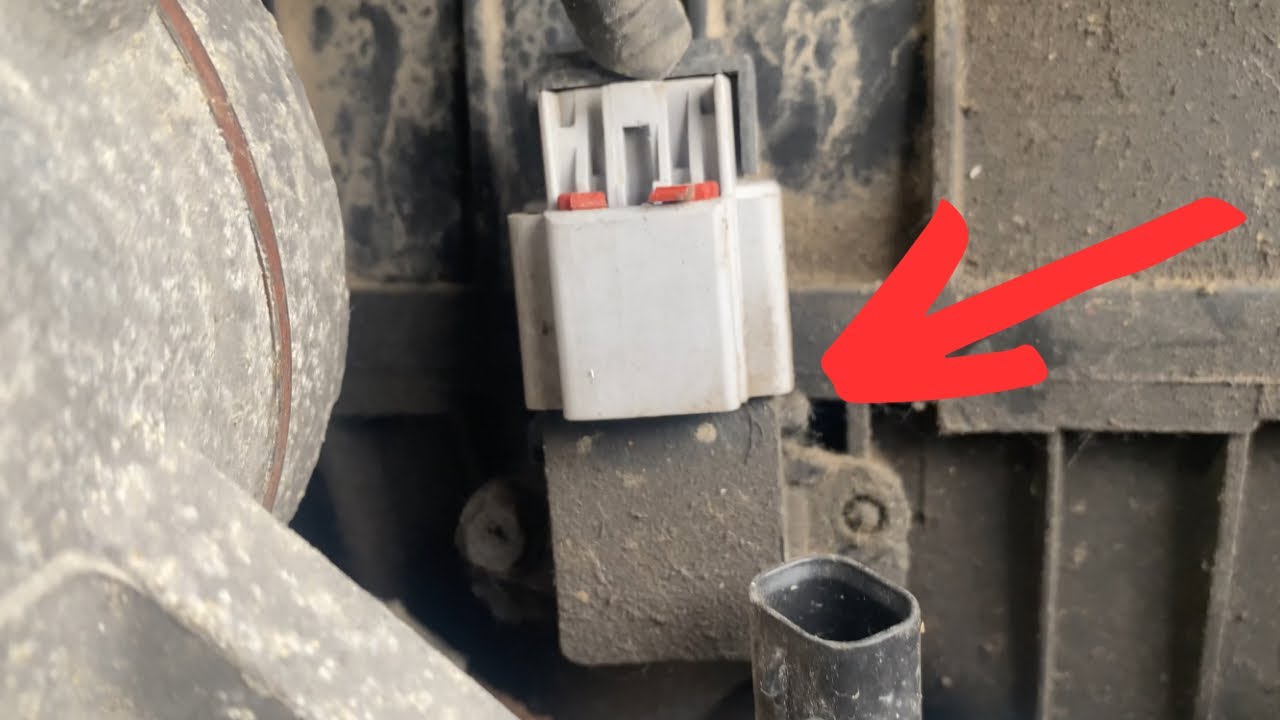
- ✦ Inspect the connector
Check for corrosion, loose pins, damaged wires, or poor connections.
- ✦ Check reference voltage
Most MAP sensors receive a stable reference voltage from the ECU.
- ✦ Compare scan data
Live MAP readings should change smoothly with throttle and engine conditions.
Using a Vacuum Test
A vacuum pump can help verify whether the sensor responds correctly to pressure changes. The output signal should change smoothly as vacuum increases.
A sensor that does not respond or produces unstable readings may need replacement.
- ✦ Stable response
A healthy sensor changes output as pressure changes.
- ✦ Incorrect response
A flat or erratic signal may indicate failure.
Factors That Affect Jeep MAP Sensor Accuracy
The MAP sensor depends on clean air passages, proper wiring, and correct engine vacuum. Problems outside the sensor itself can create false readings.
Many Jeep owners replace sensors without checking these related systems first. A complete diagnosis looks at the entire intake and engine control system.
- ✦ Vacuum leaks
Air leaks can change manifold pressure and confuse engine load calculations.
- ✦ Dirty intake components
Deposits can affect sensor performance and airflow behavior.
- ✦ Electrical problems
Damaged wiring can interrupt accurate sensor signals.
Maintenance Tips for Long Sensor Life
Regular engine maintenance helps protect MAP sensor performance. Keeping intake systems clean and fixing vacuum leaks early reduces stress on engine controls.
When diagnosing Jeep performance problems, always inspect the basics before replacing electronic parts.
- ✦ Inspect connectors
Look for moisture, dirt, and damaged terminals.
- ✦ Repair vacuum issues
Fix leaks that change normal manifold pressure.
Frequently Asked Questions about Complete Guide to Jeep Manifold Pressure Sensors and Engine Load Measurement

Jeepexplorerr
Contributor