This Complete Guide to Jeep Air Conditioning Compressor Condenser and Evaporator Systems explains how each major AC part works and how they connect. A Jeep driven across hot US summers, city traffic, or dusty trails depends on a healthy climate system for comfort and safety.
From my experience studying vehicle cooling systems, many Jeep owners replace parts too quickly without checking the full AC cycle. A weak compressor may look like the problem, but a clogged condenser, low refrigerant, or restricted evaporator can create similar symptoms.

How Jeep Air Conditioning Systems Work
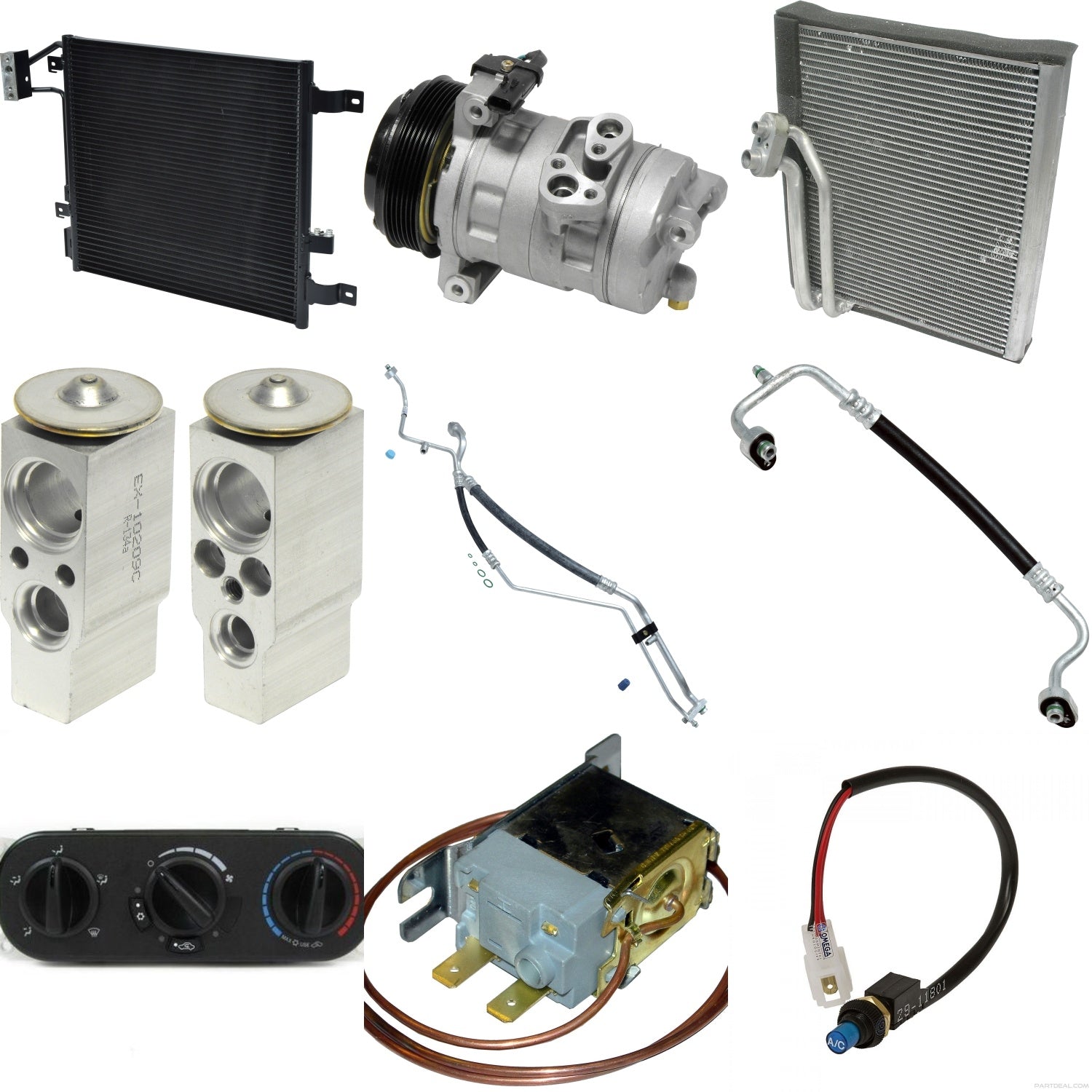
A Jeep air conditioning system removes heat from the cabin instead of creating cold air directly. The system uses refrigerant to absorb heat inside the vehicle and release it outside.
The AC cycle starts when the compressor pressurizes refrigerant. The refrigerant then moves through the condenser, expansion device, and evaporator before returning to the compressor.
- ✦ Compressor Function
The compressor pushes refrigerant through the system and creates the pressure needed for cooling.
- ✦ Condenser Function
The condenser releases heat from the refrigerant near the front of the Jeep.
- ✦ Evaporator Function
The evaporator absorbs cabin heat and sends cooled air through the vents.
The Complete AC Refrigerant Cycle
The compressor changes low-pressure refrigerant into a high-pressure gas. The condenser cools this gas until it becomes a high-pressure liquid.
The evaporator then changes the refrigerant back into a gas while absorbing heat. This process creates the cool airflow Jeep drivers feel inside the cabin.
Jeep AC Compressor Operation and Common Failures
The AC compressor acts as the heart of the Jeep cooling system. It is powered by the engine through a belt or controlled electronically in newer models.
A failing compressor can reduce cooling performance or stop the AC system completely. Early diagnosis can prevent damage to other parts.
- ✦ Weak Cooling
A worn compressor may not create enough pressure to cool the cabin.
- ✦ Strange Noises
Grinding, clicking, or whining sounds can indicate internal compressor wear.
- ✦ Clutch Problems
A damaged compressor clutch can prevent refrigerant circulation.
Signs Your Jeep AC Compressor Needs Attention
Common warning signs include warm air from vents, inconsistent cooling, visible leaks, and unusual sounds when AC is turned on.
Professional testing should confirm compressor failure before replacement because other AC problems can create similar symptoms.
Jeep Condenser Operation Heat Release and Problems
The condenser sits near the front of the Jeep and works like a heat exchanger. It removes heat from compressed refrigerant before the refrigerant moves toward the evaporator.
Because of its location, the condenser faces road debris, dirt, bugs, and airflow restrictions. These issues can reduce AC performance.

- ✦ Blocked Airflow
Mud, leaves, and debris can prevent proper heat transfer.
- ✦ Refrigerant Leaks
Damaged condenser tubes can allow refrigerant loss.
- ✦ Bent Fins
Damaged fins reduce cooling efficiency.
Condenser Maintenance Tips
Cleaning the front cooling area helps maintain airflow. Jeep owners who drive off-road should inspect the condenser more often because dirt buildup is common.
A condenser inspection should also include checking for corrosion, leaks, and physical damage.
Jeep Evaporator System Function and Failure Symptoms
The evaporator is located inside the dashboard housing. It absorbs heat from cabin air and allows the blower fan to send cool air into the Jeep.
Evaporator problems can be harder to find because the component sits behind interior panels. Diagnosis often requires pressure testing and inspection.
- ✦ Water Leaks
A blocked evaporator drain can cause water inside the cabin.
- ✦ Weak Air Cooling
A dirty or damaged evaporator may reduce cooling output.
- ✦ Bad Odors
Moisture buildup can create unpleasant smells from the vents.
Why Evaporator Repairs Cost More
The evaporator requires more labor because technicians often need to remove dashboard components to access it.
Accurate testing before replacement is important because evaporator repairs can involve significant labor time.
Diagnosing Jeep AC Cooling Problems
The Complete Guide to Jeep Air Conditioning Compressor Condenser and Evaporator Systems requires a complete diagnostic approach. A single symptom may have several possible causes.
Technicians usually check refrigerant pressure, electrical signals, airflow, compressor operation, and visible leaks before recommending repairs.

- ✦ Check Refrigerant Level
Low refrigerant can reduce cooling and may indicate a leak.
- ✦ Inspect Electrical Components
Fuses, relays, sensors, and controls affect AC operation.
- ✦ Test Airflow
Restricted airflow can make a healthy AC system feel weak.
Common Jeep AC Symptoms and Causes
Warm air may come from low refrigerant, compressor failure, condenser problems, or airflow restrictions. Correct diagnosis saves money by avoiding unnecessary replacements.
Many Jeep owners benefit from keeping service records because repeated AC issues can reveal long-term problems.
Jeep AC Maintenance Tips for Long-Term Performance
Regular AC care helps Jeep owners avoid sudden cooling failures during hot weather. Simple inspections can protect major components.
The Complete Guide to Jeep Air Conditioning Compressor Condenser and Evaporator Systems shows that prevention is often less expensive than major repairs.

- ✦ Run AC Regularly
Using the AC system throughout the year helps keep seals lubricated.
- ✦ Replace Cabin Filters
Clean filters improve airflow and reduce system strain.
- ✦ Inspect Before Summer
Early checks help prevent failures during extreme heat.
Professional Service Recommendations
AC systems need proper refrigerant handling equipment. Incorrect charging can damage components and reduce cooling performance.
A trained technician can identify leaks and confirm repairs using professional testing methods.
Frequently Asked Questions about Complete Guide to Jeep Air Conditioning Compressor Condenser and Evaporator Systems

Jeepexplorerr
Contributor