The Complete Guide to Jeep Wheel Spacers Hub Fitment Torque and Safety starts with one simple idea: wheel spacers are not just appearance parts. They change wheel position, steering feel, and load paths. A correct setup can help a Jeep clear larger tires and improve stance for daily driving or trail use.
From working with off-road builds, I have learned that most spacer problems come from poor fitment checks, wrong thickness choices, or skipped torque inspections. A Jeep owner in the USA may use the same Wrangler for commuting, towing, and weekend trails, so every spacer choice must balance performance and safety.
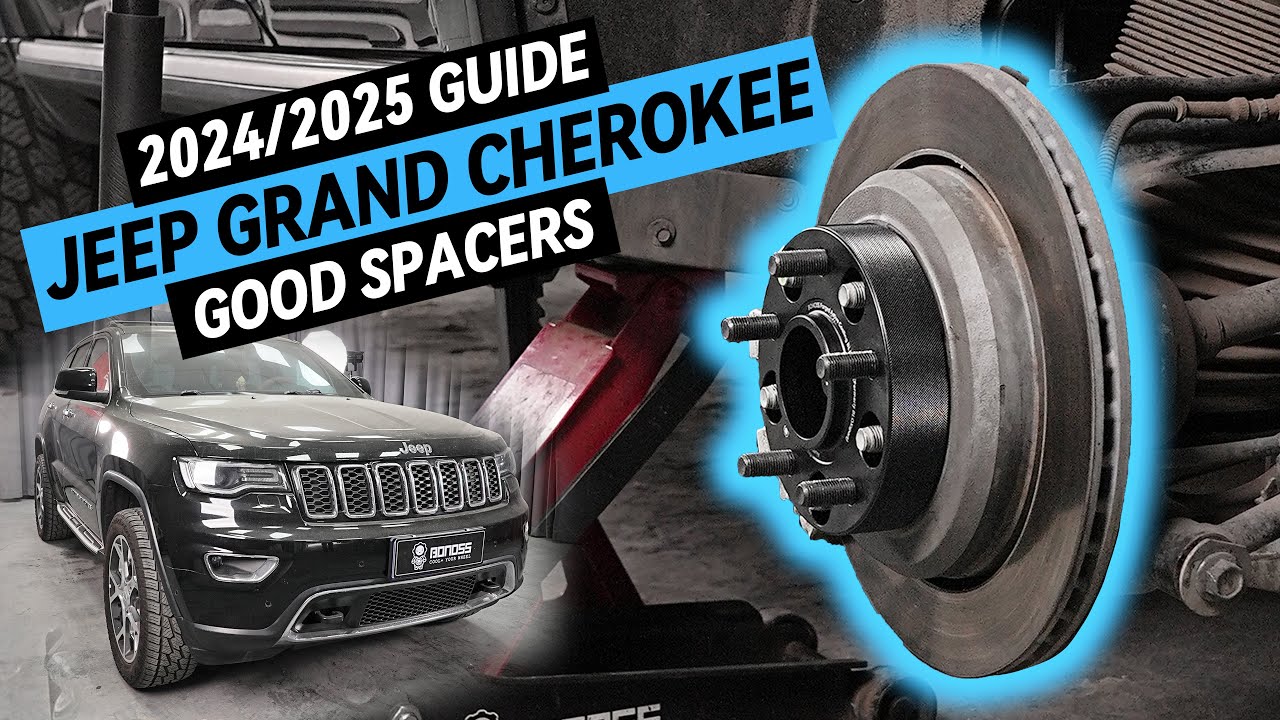
What Jeep Wheel Spacers Are and How They Work
Jeep wheel spacers are metal adapters that sit between the vehicle hub and wheel. They create extra space between the wheel mounting surface and the wheel itself. This pushes the tire outward from the suspension.
The Complete Guide to Jeep Wheel Spacers Hub Fitment Torque and Safety begins with understanding this basic function. A spacer changes wheel offset, which can affect tire clearance, steering response, and suspension load.
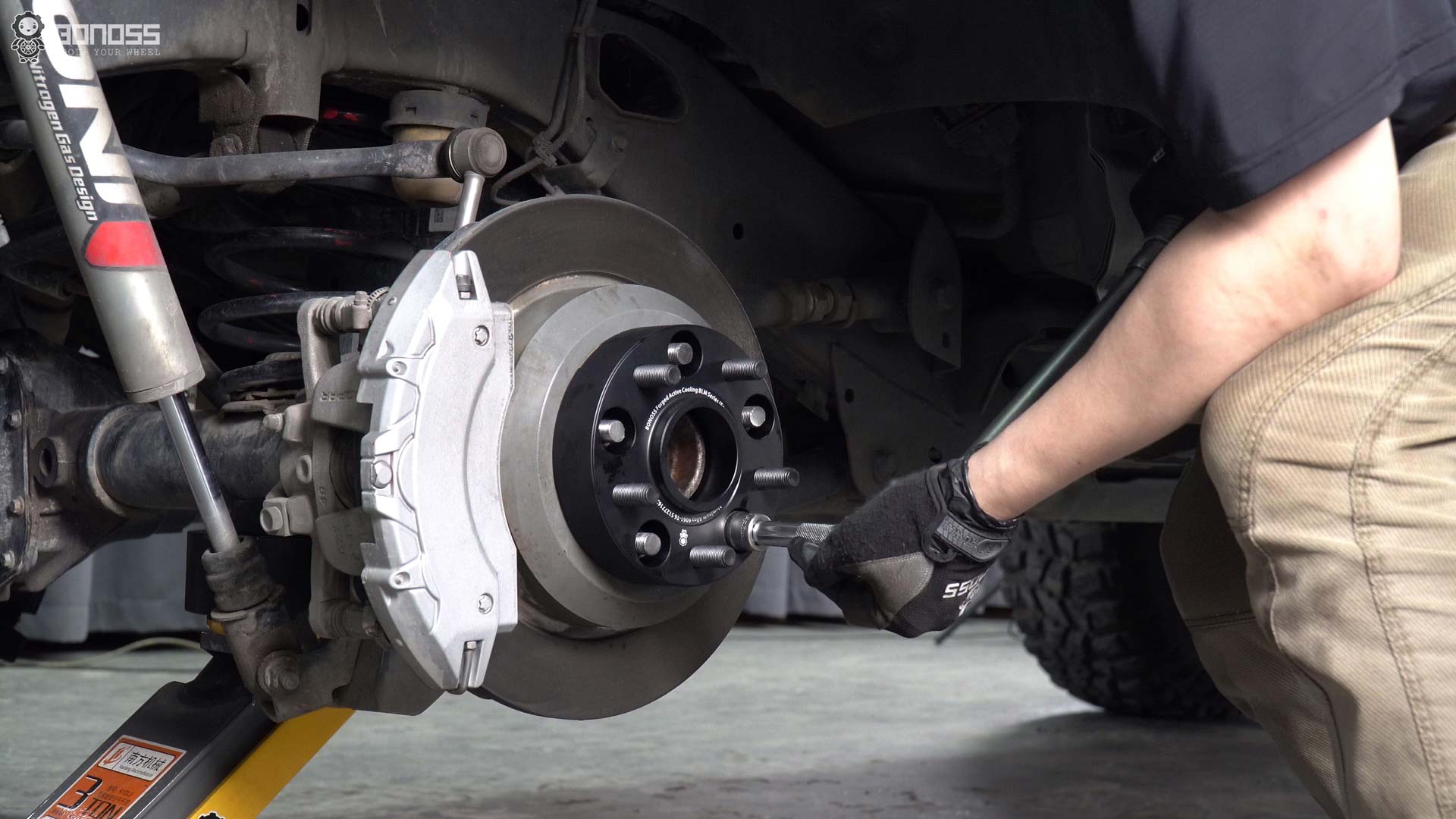
- ✦ Improved tire clearance
Spacers can help create room for wider tires that may contact suspension parts or inner fenders.
- ✦ Changed wheel stance
Moving wheels outward can give a Jeep a wider appearance and a different driving feel.
Wheel Spacer Types
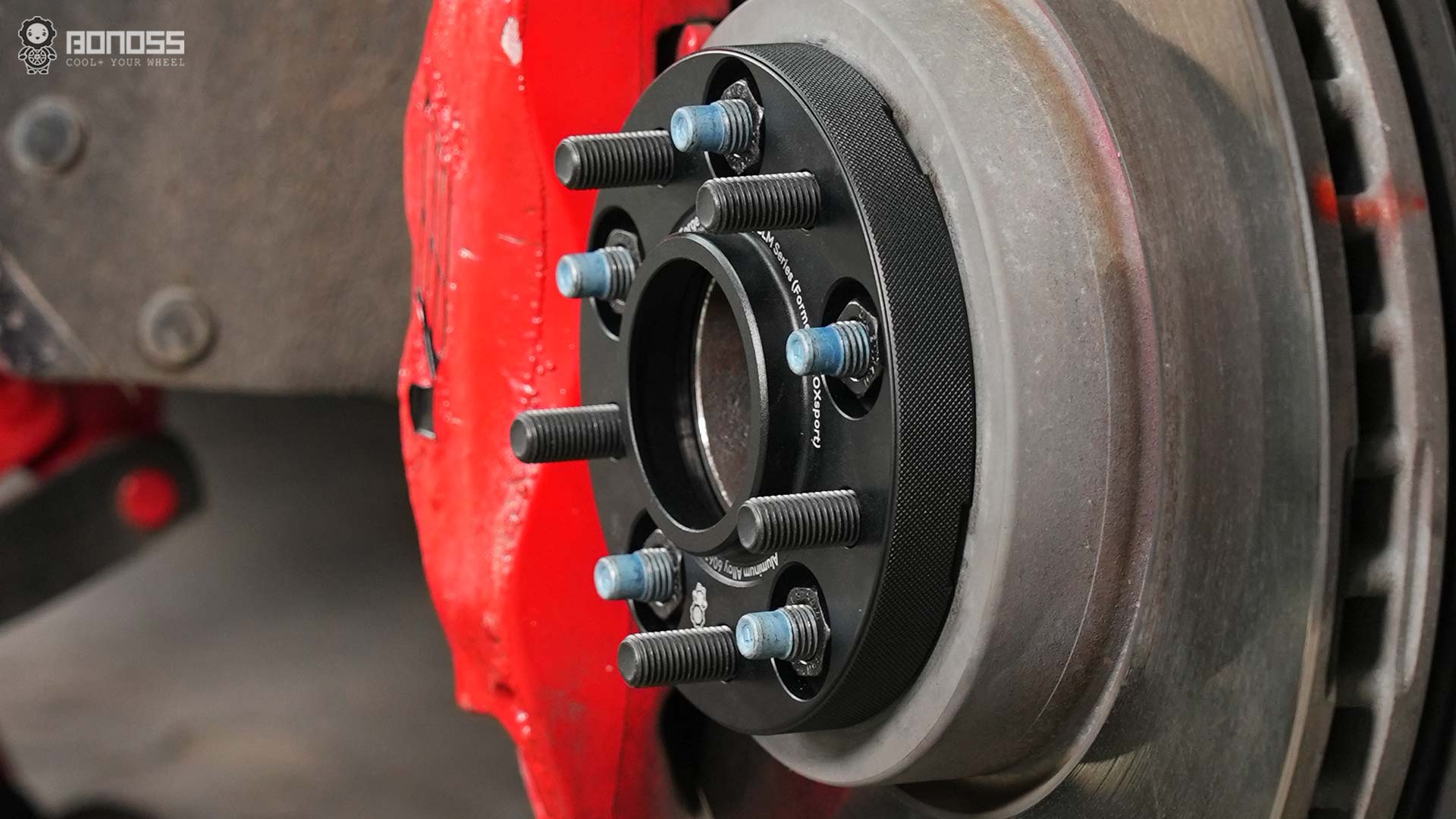
Two common types are slip-on spacers and bolt-on spacers. Slip-on spacers fit over the existing studs, while bolt-on spacers attach to the hub and provide new studs for the wheel.
Bolt-on designs are common for Jeeps because they offer better thickness options and stronger attachment when properly installed.
- ✦ Slip-on spacer
A thin spacer that works with existing wheel studs and is often used for small clearance changes.
- ✦ Bolt-on spacer
A thicker adapter that bolts to the hub and creates a new wheel mounting surface.
Jeep Wheel Spacer Hub Fitment and Hub Centric Design
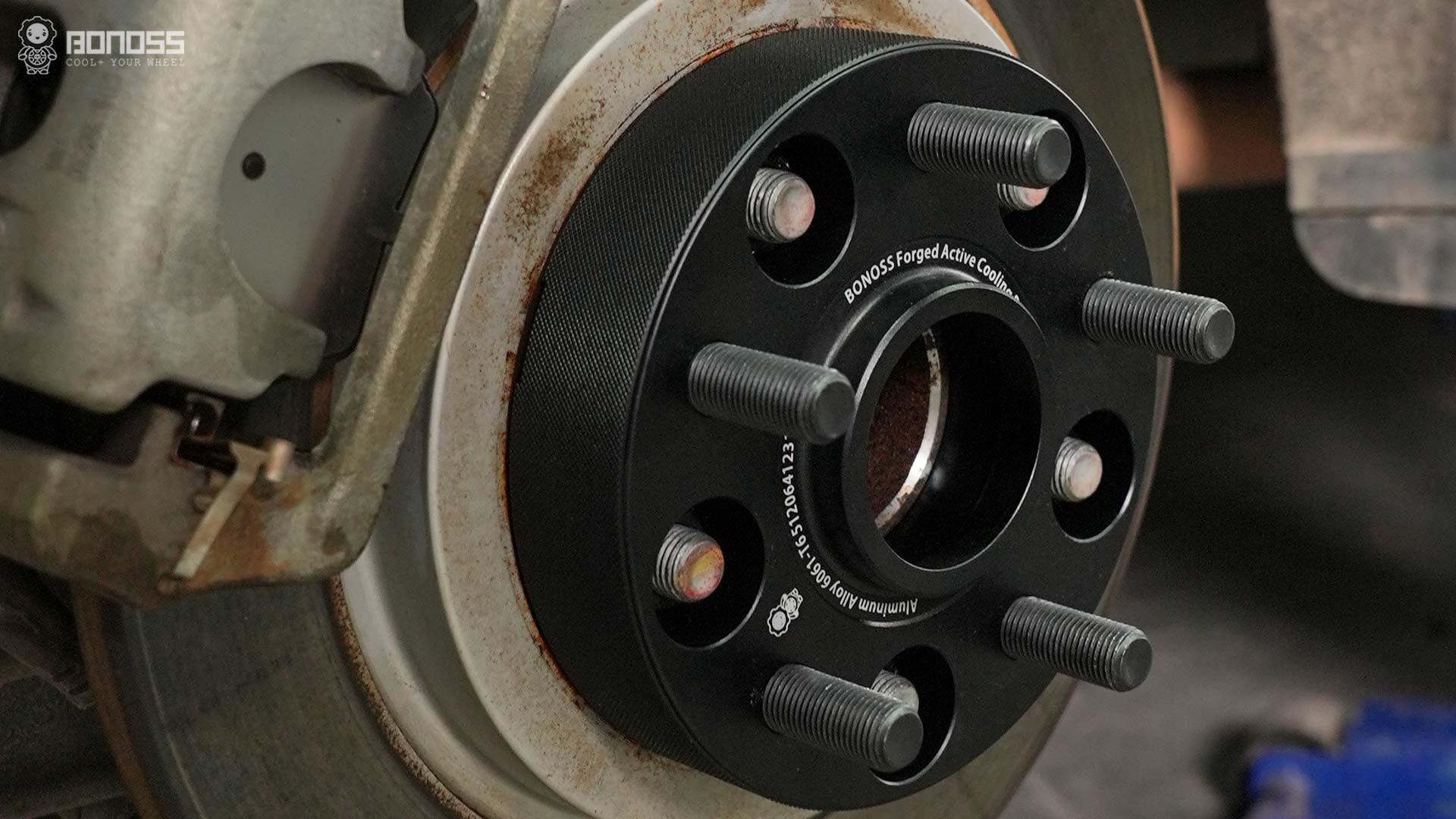
Hub fitment is one of the most important parts of the Complete Guide to Jeep Wheel Spacers Hub Fitment Torque and Safety. The spacer must match the Jeep hub diameter and wheel center bore.
A hub centric spacer uses the hub center to support wheel alignment. This helps reduce vibration because the wheel sits in the correct position instead of relying only on lug nuts.

- ✦ Check hub diameter
Measure the Jeep hub size and confirm that the spacer matches the vehicle specification.
- ✦ Check wheel center bore
The spacer outer hub must correctly support the wheel center bore for proper alignment.
Why Hub Centric Fit Matters
A Jeep often sees rough roads, potholes, and trail impacts. A hub centric design helps distribute forces through the center of the wheel assembly.
A poor fit can create vibration, uneven wear, and extra stress on wheel studs.
- ✦ Better alignment
The wheel stays centered around the hub during installation and driving.
Choosing the Correct Jeep Wheel Spacer Size and Thickness
Spacer thickness changes wheel offset. Small changes may solve rubbing issues, while larger spacers create a more aggressive stance. The correct choice depends on tire size, wheel offset, and suspension setup.
The Complete Guide to Jeep Wheel Spacers Hub Fitment Torque and Safety requires measuring before buying. Guessing thickness can create problems with fender clearance or steering behavior.
- ✦ Common thickness choices
Many Jeep owners choose sizes around 1 to 1.5 inches, but the correct size depends on the build.
- ✦ Test clearance
Check steering lock, suspension travel, and tire movement before final installation.
Understanding Wheel Offset Changes
A spacer reduces positive offset by moving the wheel outward. This can improve inner tire clearance but may increase stress on wheel bearings.
A balanced setup keeps enough clearance without adding unnecessary width.
- ✦ Measure first
Use current wheel measurements before selecting spacer thickness.
Jeep Wheel Spacer Torque Specifications and Installation Steps
Correct torque is the foundation of wheel spacer safety. Loose spacer hardware can create dangerous movement between the spacer and hub.
The Complete Guide to Jeep Wheel Spacers Hub Fitment Torque and Safety recommends using a quality torque wrench and following the spacer manufacturer’s torque instructions.

- ✦ Clean mounting surfaces
Remove rust, dirt, and debris from the hub before installing spacers.
- ✦ Use proper torque sequence
Tighten fasteners in a star pattern to create even clamping force.
- ✦ Retorque after driving
Check hardware after initial miles because components can settle.
Installation Mistakes to Avoid
Common mistakes include installing spacers on dirty hubs, using damaged studs, or skipping torque checks. These small errors can create larger safety issues.
Professional installers treat spacer installation like wheel installation because the spacer becomes part of the wheel mounting system.
- ✦ Avoid impact tools for final torque
A torque wrench provides accurate final tightening.
Safety Considerations When Using Jeep Wheel Spacers
Wheel spacers can be safe when they match the Jeep and receive proper installation. Problems usually come from poor-quality parts or incorrect setup.
The Complete Guide to Jeep Wheel Spacers Hub Fitment Torque and Safety focuses on prevention. Regular checks help catch wear before it becomes a major issue.
- ✦ Inspect regularly
Look for loose hardware, cracks, corrosion, or unusual vibration.
- ✦ Choose quality materials
Use spacers made from strong automotive-grade materials.
Street and Off-Road Use
Daily driving creates different loads than rock crawling. Trail use adds impacts from uneven terrain and changing traction.
A Jeep used for serious off-road work needs more frequent inspections than a Jeep used only for highway driving.
- ✦ Trail inspection
Check spacer hardware after hard off-road trips.
Benefits and Limitations of Jeep Wheel Spacers
The Complete Guide to Jeep Wheel Spacers Hub Fitment Torque and Safety should include both advantages and limits. Spacers can solve fitment problems, but they are not a replacement for correct wheel selection.
Many Jeep owners use spacers to run wider tires or improve appearance. However, changing wheel position can affect steering feel and component loads.
- ✦ Benefits
Better tire clearance, improved appearance, and more wheel options.
- ✦ Limitations
Possible changes in steering feel and increased stress on some components.
When Spacers Make Sense
Spacers make sense when they solve a specific fitment problem. They are common in Jeep builds with larger tires or aftermarket wheels.
They should support a complete wheel plan instead of being added without measurements.
- ✦ Good use case
Creating clearance for tires while keeping safe wheel mounting.
Frequently Asked Questions about Complete Guide to Jeep Wheel Spacers Hub Fitment Torque and Safety

Jeepexplorerr
Contributor