The complete Guide to Jeep Roof-Tent Loads Vehicle Limits and Setup Considerations starts with one simple rule: your Jeep must safely carry the tent system in every condition. A rooftop tent changes how your vehicle handles weight, wind, and off-road movement. Many Jeep owners focus on tent size but forget roof ratings and payload limits.
From my experience researching and planning overlanding setups, the best builds balance comfort with engineering limits. A lightweight tent on a properly rated rack often performs better than a large tent that pushes the Jeep beyond its design range. This guide explains the key limits, setup choices, and practical checks for US Jeep owners.
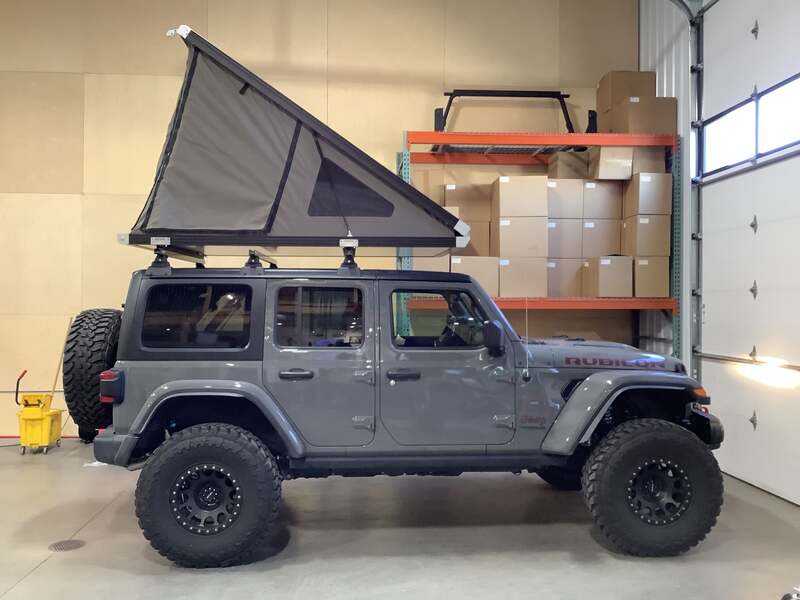
Understanding Jeep Roof-Tent Loads and Weight Ratings
The Complete Guide to Jeep Roof-Tent Loads Vehicle Limits and Setup Considerations begins with understanding three weight numbers. These include dynamic roof load, static roof load, and total vehicle payload. Each number affects safety in a different way.
Dynamic load means the weight your Jeep carries while moving. Static load means the weight supported when parked and sleeping inside the tent. A roof rack and tent may handle more weight while parked than while driving.
- ✦ Dynamic Roof Load
This is the weight limit while driving. It includes the tent, rack, mounting hardware, and stored gear.
- ✦ Static Roof Load
This is the parked camping load. It includes the tent, occupants, bedding, and personal items.
- ✦ Vehicle Payload
This includes all added weight inside and outside the Jeep, including passengers and camping equipment.
Why Weight Ratings Matter
Exceeding weight limits can affect steering, braking, suspension movement, and vehicle stability. A Jeep may still move with extra weight, but handling can become less predictable.
A safe setup considers the complete system, not just the tent rating. The Jeep roof, rack, mounting points, suspension, and tires all work together.
How Jeep Models Handle Rooftop Tent Installations
Different Jeep models have different strengths and limitations. The Complete Guide to Jeep Roof-Tent Loads Vehicle Limits and Setup Considerations requires checking your exact model year before buying equipment.
A Jeep Wrangler is popular for rooftop tents because of its off-road ability and aftermarket support. However, owners still need to verify roof rack ratings and vehicle payload.

- ✦ Jeep Wrangler
Wrangler owners often use reinforced roof racks because factory roof structures vary by model and configuration.
- ✦ Jeep Gladiator
The Gladiator offers a longer platform and truck-style flexibility for camping setups.
- ✦ Jeep Grand Cherokee
Grand Cherokee owners should carefully review roof and payload limits because comfort features add weight.
Choosing the Right Roof Rack for a Jeep Roof Tent
A roof rack is the connection between your Jeep and your rooftop tent. The Complete Guide to Jeep Roof-Tent Loads Vehicle Limits and Setup Considerations recommends treating the rack as a safety component, not just an accessory.
The rack must support the tent weight during driving and distribute force across strong mounting points. Poor installation can create stress points and noise.

- ✦ Rack Material
Steel and aluminum racks both work when properly designed and rated for the Jeep model.
- ✦ Mounting System
A secure mounting system reduces movement and spreads the load across the vehicle structure.
- ✦ Compatibility
Always match the rack with the exact Jeep model, roof design, and tent requirements.
Crossbars Versus Full Roof Platforms
Crossbars may work for lighter tents, while full platforms provide more support for larger rooftop tents. The right choice depends on weight, travel style, and frequency of use.
Calculating Total Jeep Roof-Tent Setup Weight
The Complete Guide to Jeep Roof-Tent Loads Vehicle Limits and Setup Considerations requires adding every item in the system. Many owners calculate only the tent weight and forget accessories.
A realistic calculation includes the tent, rack, ladder, mattress, bedding, storage boxes, and camping equipment. Small items add up quickly during long trips.
- ✦ Tent Weight
Check the manufacturer’s listed dry weight before adding accessories.
- ✦ Rack Weight
Include the complete rack system and mounting hardware.
- ✦ Camping Gear
Account for recovery gear, tools, clothing, water, and personal supplies.
Driving Safety With a Jeep Rooftop Tent
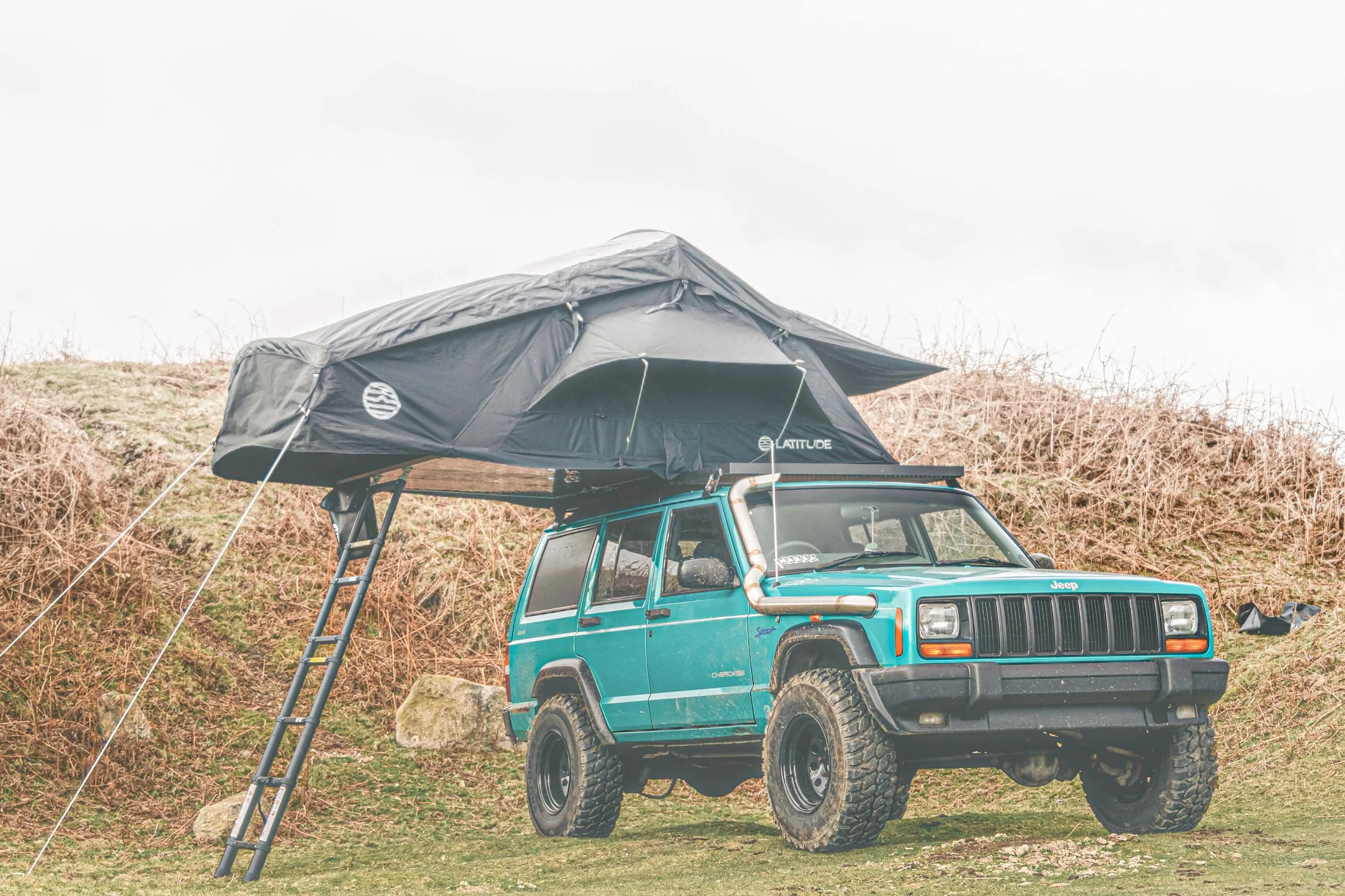
A rooftop tent raises the center of gravity of your Jeep. This can change cornering behavior, braking feel, and off-road balance.
The Complete Guide to Jeep Roof-Tent Loads Vehicle Limits and Setup Considerations focuses on safe driving habits because weight affects performance. Slow turns, careful braking, and proper tire pressure help maintain control.
- ✦ Inspect Before Trips
Check bolts, mounts, rack connections, and tent hardware before every major adventure.
- ✦ Manage Speed
Higher loads and increased wind resistance require smoother driving.
- ✦ Balance Gear
Keep heavy items low inside the Jeep when possible.
Weather, Wind, and Off-Road Considerations
A Jeep rooftop tent faces different conditions than a ground tent. Wind, rain, snow, and uneven terrain all affect the camping experience.
The Complete Guide to Jeep Roof-Tent Loads Vehicle Limits and Setup Considerations includes weather planning because a secure setup must handle changing environments.

- ✦ Wind Protection
Park with awareness of wind direction and avoid exposed areas during severe weather.
- ✦ Terrain Choice
Choose stable parking locations that reduce vehicle movement while sleeping.
- ✦ Seasonal Planning
Cold and wet conditions require proper insulation and weatherproof equipment.
Frequently Asked Questions about Complete Guide to Jeep Roof-Tent Loads Vehicle Limits and Setup Considerations

Jeepexplorerr
Contributor