The Complete Guide to Jeep Trailer Hitch Systems and Hitch Classes starts with one simple idea: the right hitch setup must match your Jeep and your towing needs. Many Jeep owners use their vehicles for camping, hauling small trailers, carrying bikes, or moving outdoor equipment across the United States.
From my experience researching Jeep towing setups, I have seen many owners focus only on the hitch receiver. A complete system includes the receiver, hitch class, wiring harness, trailer brakes, safety chains, and correct weight balance. Choosing the right combination improves control and reduces towing problems.

Understanding Jeep Trailer Hitch Systems
A Jeep trailer hitch system is more than a metal receiver attached to the rear frame. It is a complete towing connection that transfers trailer weight and pulling force through the Jeep structure.
The Complete Guide to Jeep Trailer Hitch Systems and Hitch Classes helps owners understand how each component works together. A properly matched system supports safer towing for daily use, road trips, and outdoor adventures.
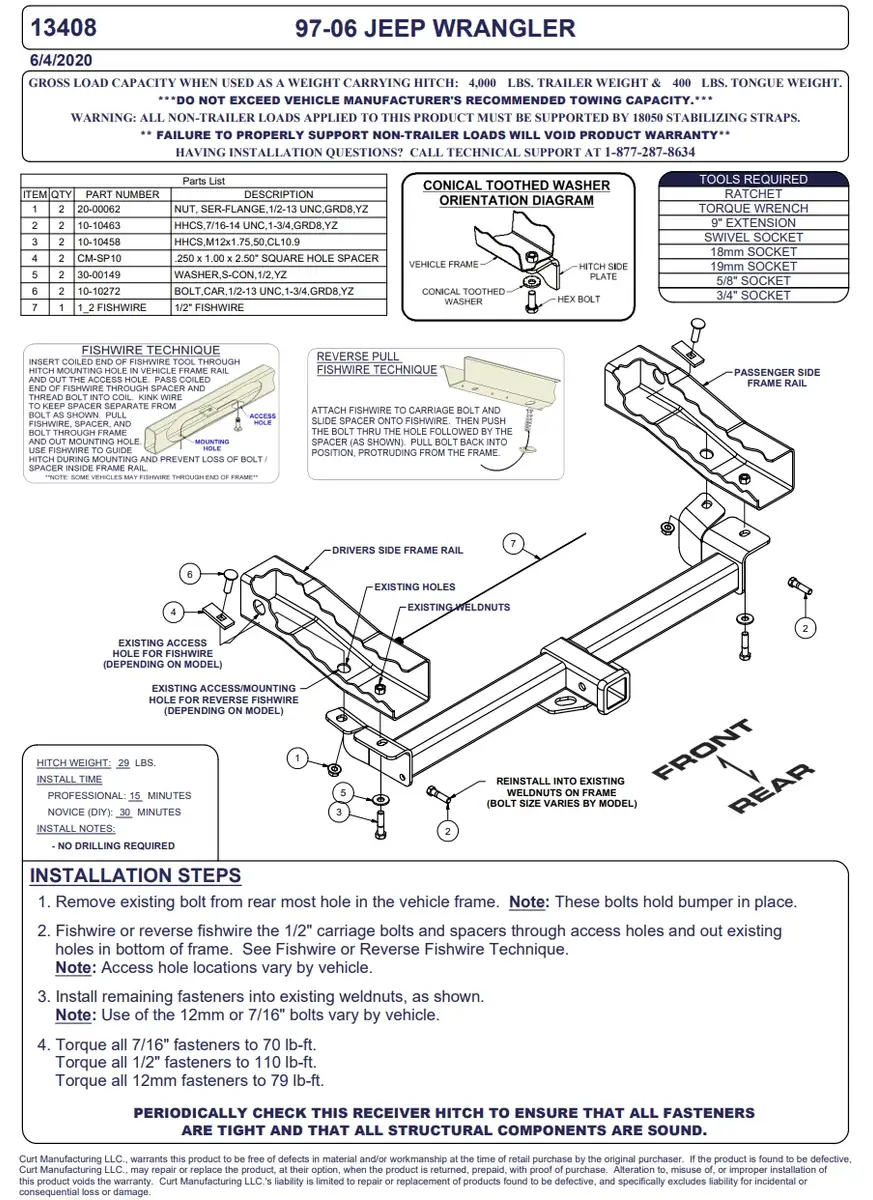
- ✦ Receiver Hitch
The receiver is the main mounting point where you install a ball mount, cargo carrier, bike rack, or other towing accessory.
- ✦ Ball Mount
The ball mount connects the trailer coupler to the Jeep and helps maintain proper trailer height.
- ✦ Trailer Wiring
A wiring harness allows your Jeep to control trailer lights and safety signals.
Factory Jeep Hitch Systems
Many Jeep models offer factory towing packages. These packages may include a stronger receiver, wiring connections, cooling upgrades, and improved towing equipment.
- ✦ Integrated Design
Factory systems are designed around the Jeep model’s frame and towing specifications.
Jeep Hitch Classes Explained
Hitch classes describe the strength and capacity of trailer receivers. The Complete Guide to Jeep Trailer Hitch Systems and Hitch Classes requires understanding these categories because every class supports different loads.
Most Jeep owners use Class II, Class III, and Class IV receivers. The correct choice depends on the Jeep model, trailer weight, and tongue weight rating.

- ✦ Class I Hitch
Class I hitches handle light loads and are usually used for small accessories or lightweight trailers.
- ✦ Class II Hitch
Class II systems support moderate loads and commonly fit compact towing needs.
- ✦ Class III Hitch
Class III is one of the most common Jeep hitch classes and supports many campers, utility trailers, and cargo carriers.
- ✦ Class IV Hitch
Class IV hitches provide higher capacity for larger trailers when the Jeep model supports the additional load.
Why Hitch Class Matters
A higher hitch class does not automatically increase your Jeep’s towing capacity. The Jeep itself sets the maximum towing limit through its engine, transmission, frame, brakes, and suspension.
- ✦ Match The Vehicle Rating
Always follow the Jeep owner’s manual towing specifications instead of selecting a hitch based only on class.
Choosing the Right Hitch for Popular Jeep Models
Different Jeep models have different towing abilities and hitch requirements. A Wrangler owner may need a different setup than someone driving a Grand Cherokee or Gladiator.
The Complete Guide to Jeep Trailer Hitch Systems and Hitch Classes shows why model-specific research matters before buying towing equipment.

- ✦ Jeep Wrangler
Wrangler owners often choose receiver hitches for small campers, utility trailers, and outdoor equipment.
- ✦ Jeep Gladiator
The Gladiator offers stronger truck-based towing capability and can support larger trailer setups within factory limits.
- ✦ Jeep Grand Cherokee
Grand Cherokee models are commonly used for family trailers, boats, and travel equipment.
Check Your Jeep’s Towing Label
Before installing a hitch, check your Jeep’s door label, owner’s manual, and factory towing information. These details help confirm maximum trailer weight and tongue weight limits.
- ✦ Important Numbers
Look for gross trailer weight, tongue weight, payload capacity, and gross vehicle weight rating.
Trailer Hitch Installation and Safety Checks
Installing a Jeep trailer hitch requires careful attention to mounting points, bolts, wiring, and clearance. Many aftermarket hitches are designed for direct installation, but correct torque settings remain important.
A safe towing setup also requires inspection before every trip. Small issues with wiring, chains, or hitch pins can create serious problems on the road.

- ✦ Inspect Hitch Hardware
Check bolts, receiver pins, and mounting areas for damage or looseness.
- ✦ Test Trailer Lights
Confirm brake lights, turn signals, and running lights work before driving.
- ✦ Balance Trailer Weight
Keep trailer weight properly distributed to improve stability and steering control.
Common Installation Mistakes
Some Jeep owners install a hitch without checking towing limits or use incorrect accessories. These mistakes can reduce safety and damage vehicle components.
- ✦ Wrong Hitch Size
Using the wrong receiver size can create poor fitment and unsafe connections.
Understanding Towing Limits and Weight Ratings
The strongest hitch cannot increase a Jeep beyond its factory towing limit. Safe towing depends on the entire vehicle system working together.
The Complete Guide to Jeep Trailer Hitch Systems and Hitch Classes should always include weight ratings because improper loading remains one of the most common towing concerns.

- ✦ Gross Trailer Weight
Gross trailer weight is the total loaded trailer weight, including cargo.
- ✦ Tongue Weight
Tongue weight is the downward force placed on the Jeep hitch by the trailer.
- ✦ Payload Capacity
Payload includes passengers, cargo, and tongue weight carried by the Jeep.
Using Weight Distribution Correctly
Some larger trailers may require weight distribution equipment. However, owners must confirm compatibility with their Jeep model before installation.
- ✦ Better Control
Proper weight balance helps maintain stable handling during highway travel.
Frequently Asked Questions about Complete Guide to Jeep Trailer Hitch Systems and Hitch Classes

Jeepexplorerr
Contributor