The Complete Guide to Jeep Used-Vehicle inspection and Mechanical Condition helps buyers understand what matters before signing a purchase agreement. A Jeep can look clean outside while hiding costly issues underneath. Careful inspection gives you confidence and protects your budget.
From years of reviewing vehicles, I have learned that Jeep buyers must look beyond mileage and appearance. A Jeep with proper care can last for many years, but one with poor maintenance or heavy off-road abuse can create major repair costs. The right inspection process reveals the real condition of the vehicle.
This guide explains the most important checks for used Jeep models in the United States. It covers common areas like rust, drivetrain wear, electrical systems, suspension parts, and maintenance records.

Why a Used Jeep Inspection Matters Before Purchase
A used Jeep often attracts buyers because of its off-road ability, strong design, and adventure-focused image. However, these same qualities mean some Jeeps may have experienced rough conditions. A proper inspection helps identify problems caused by trails, towing, water crossings, or skipped maintenance.
The Complete Guide to Jeep Used-Vehicle Inspection and Mechanical Condition starts with understanding risk. A low price may seem attractive, but hidden mechanical issues can quickly remove any savings. Inspection creates a clearer picture of the Jeep’s current health.
- ✦ Avoid expensive surprises
Inspection helps find engine, transmission, suspension, and frame problems before money changes hands.
- ✦ Understand vehicle history
Past repairs, accidents, and off-road use can change the value and reliability of a Jeep.
- ✦ Make better negotiations
A detailed inspection report gives buyers facts when discussing price.
Checking the Jeep Frame and Exterior Condition
The frame is one of the most important parts of any Jeep inspection. A damaged or heavily rusted frame can create safety concerns and expensive repair challenges. Look closely at frame rails, suspension mounting points, and areas where dirt and moisture collect.
Rust is especially important for Jeeps used in northern U.S. states where road salt is common. Surface rust may be manageable, but deep corrosion around structural areas requires serious attention.

- ✦ Frame rust inspection
Check underneath the Jeep for holes, cracks, repairs, or heavy corrosion.
- ✦ Body alignment
Uneven panel gaps may show previous accidents or repair work.
- ✦ Off-road damage signs
Look for scratches, dents, bent parts, and underbody impacts.
Inspecting the Undercarriage
The underside tells a story about how a Jeep was used. A Jeep with frequent trail use may have skid plate damage, worn bushings, or impact marks. A clean underside does not guarantee perfect condition, but it is a positive sign.
- ✦ Check skid plates
Damage may show previous hard off-road use.
- ✦ Look at suspension mounts
Cracks or repairs can indicate serious stress.
Engine Inspection and Mechanical Health Checks
The engine is the heart of the Jeep, and careful testing can reveal many problems. Start with a cold engine inspection because some issues become hidden after warm-up. Listen for unusual sounds and check for leaks around seals and connections.
A complete engine review should include fluid condition, warning lights, exhaust smoke, and maintenance history. Regular oil changes and proper service records often show how the previous owner treated the Jeep.
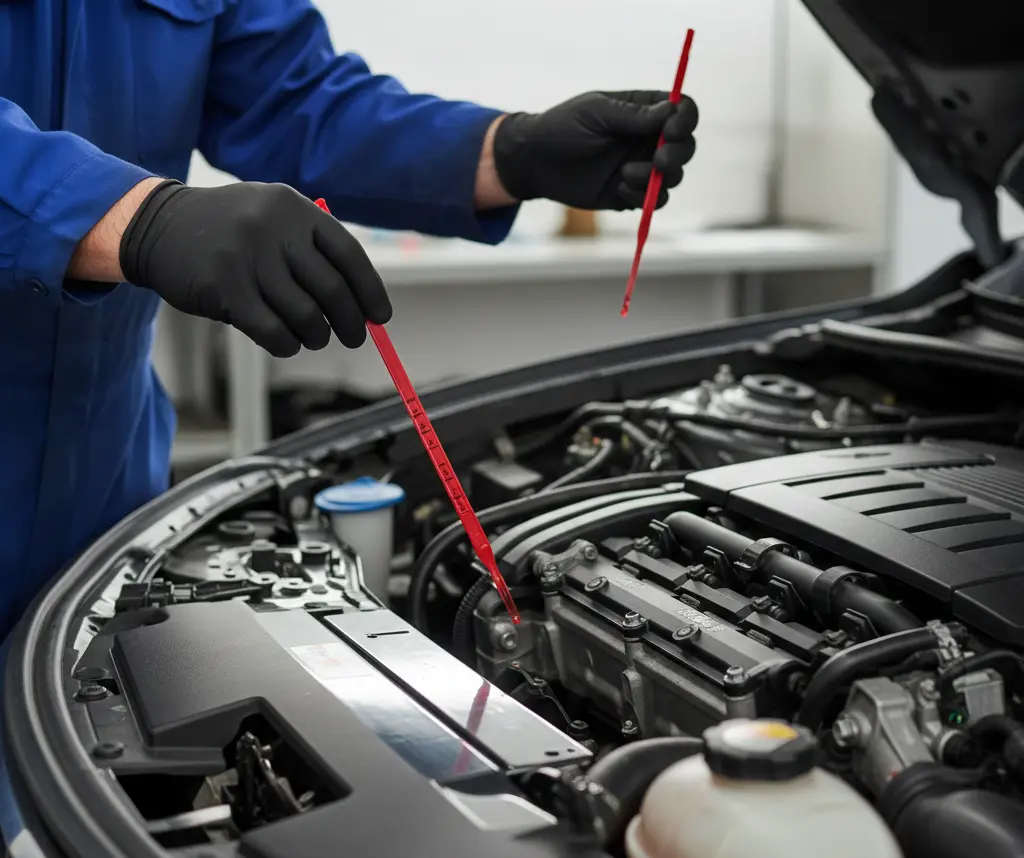
- ✦ Check engine oil
Clean oil and correct levels suggest better maintenance habits.
- ✦ Watch for leaks
Oil, coolant, and transmission fluid leaks need attention.
- ✦ Test engine response
Smooth acceleration and stable idle indicate healthier operation.
Transmission and Drivetrain Inspection
The Complete Guide to Jeep Used-Vehicle Inspection and Mechanical Condition must include the transmission and drivetrain because these systems handle power delivery. Problems can be costly, especially in four-wheel-drive models.
During a test drive, pay attention to shifting quality, vibration, unusual noises, and delayed engagement. A Jeep should move smoothly in both normal driving and four-wheel-drive modes.

- ✦ Automatic transmission check
Look for rough shifts, slipping, or delayed gear changes.
- ✦ Four-wheel-drive test
Confirm that 4WD systems engage correctly without strange sounds.
- ✦ Differential inspection
Listen for humming or grinding noises during driving.
Test Driving a Used Jeep
A test drive provides information that a visual inspection cannot. Drive at different speeds, test braking, and notice how the Jeep feels on turns and rough roads.
- ✦ Steering feel
Loose steering may indicate worn components.
- ✦ Brake response
The Jeep should stop smoothly without pulling.
Suspension, Tires, and Brake Condition
Jeep suspension systems face extra stress because many owners use them for outdoor driving. Worn suspension parts can affect comfort, handling, and safety. Inspect shocks, springs, control arms, and steering components carefully.
Tires also provide clues about ownership habits. Uneven wear may show alignment issues, suspension problems, or poor maintenance.
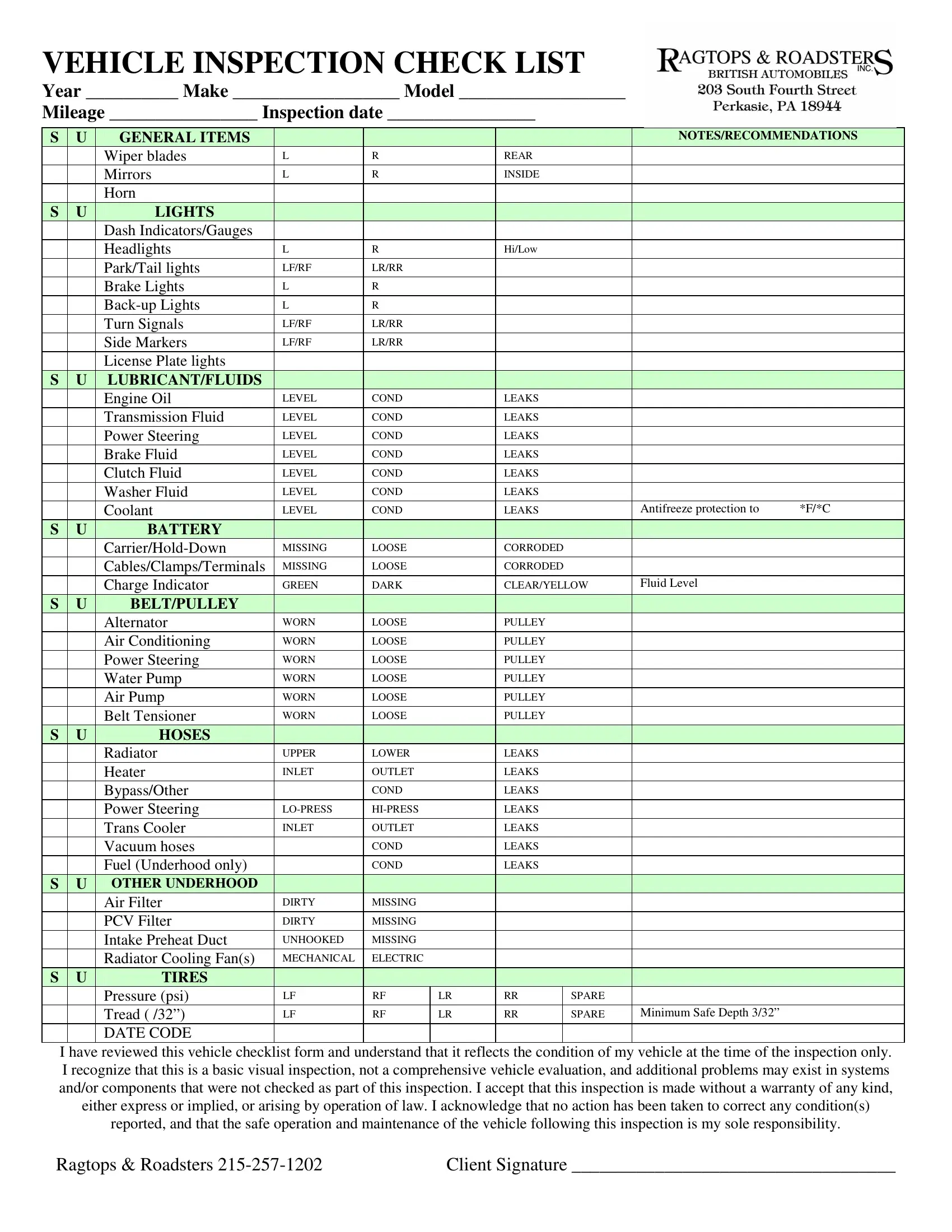
- ✦ Inspect suspension wear
Check bushings, shocks, and steering parts for damage.
- ✦ Review tire condition
Look for uneven tread wear and aging rubber.
- ✦ Check brakes
Inspect pads, rotors, and brake performance during driving.
Reviewing Jeep History, Records, and Ownership Details
Maintenance records provide valuable information about how a Jeep was treated. Service receipts, dealership records, and repair documents help confirm regular care.
A vehicle history report can show accidents, title issues, and ownership changes. Combine this information with a physical inspection for a complete buying decision.

- ✦ Service history
Regular maintenance records increase confidence in vehicle condition.
- ✦ Accident review
Previous collisions may affect structure and reliability.
- ✦ Ownership pattern
Multiple owners in a short period may require more investigation.
Frequently Asked Questions about Complete Guide to Jeep Used-Vehicle Inspection and Mechanical Condition

Jeepexplorerr
Contributor