The Complete Guide to Jeep maintenance After Off-Road Use starts with one simple idea: trail time creates stress that normal street driving does not. Mud, rocks, water, dust, and steep climbs can affect parts that are easy to ignore during daily driving. A few careful checks after each adventure can help prevent small issues from becoming expensive repairs.
From years of working around off-road vehicles, one lesson stands out: the best Jeep owners do not wait for problems. They build a routine after every trail ride. Whether you drive a Jeep Wrangler, Gladiator, Cherokee, or another 4×4 model, regular post-off-road care keeps your vehicle dependable on American highways and backcountry trails.

Why Post-Off-Road Jeep Maintenance Matters
Off-road driving places extra loads on your Jeep. Loose surfaces, sudden impacts, and water crossings can affect the drivetrain, suspension, brakes, and electrical parts. A Jeep may feel normal after a trail trip while still carrying hidden dirt or damage.
The Complete Guide to Jeep Maintenance After Off-Road Use focuses on finding problems early. A quick inspection after a weekend adventure can protect important systems and improve your Jeep’s service life.
- ✦ Prevent hidden damage
Mud and debris can cover leaks, cracks, and worn parts that need attention.
- ✦ Protect expensive components
Regular checks help protect axles, driveshafts, suspension parts, and differentials.
- ✦ Maintain trail confidence
A well-maintained Jeep is safer and more dependable during future off-road trips.
Common Problems After Trail Driving
Rock impacts, deep mud, and water exposure can create different maintenance needs. Even small issues like a loose bolt or packed mud around a brake component can become bigger problems later.
- ✦ Mud buildup
Heavy mud can trap moisture and increase rust risk on metal parts.
- ✦ Loose hardware
Vibration from rough terrain can loosen bolts and mounting points.
Wash and Clean Your Jeep After Off-Road Use
Cleaning is the first major step in the Complete Guide to Jeep Maintenance After Off-Road Use. Dirt should not stay packed around your Jeep for long because it can hide damage and hold moisture against metal surfaces.
A simple rinse is often not enough after serious trail use. Pay close attention to the wheel wells, frame rails, skid plates, and areas behind suspension components.
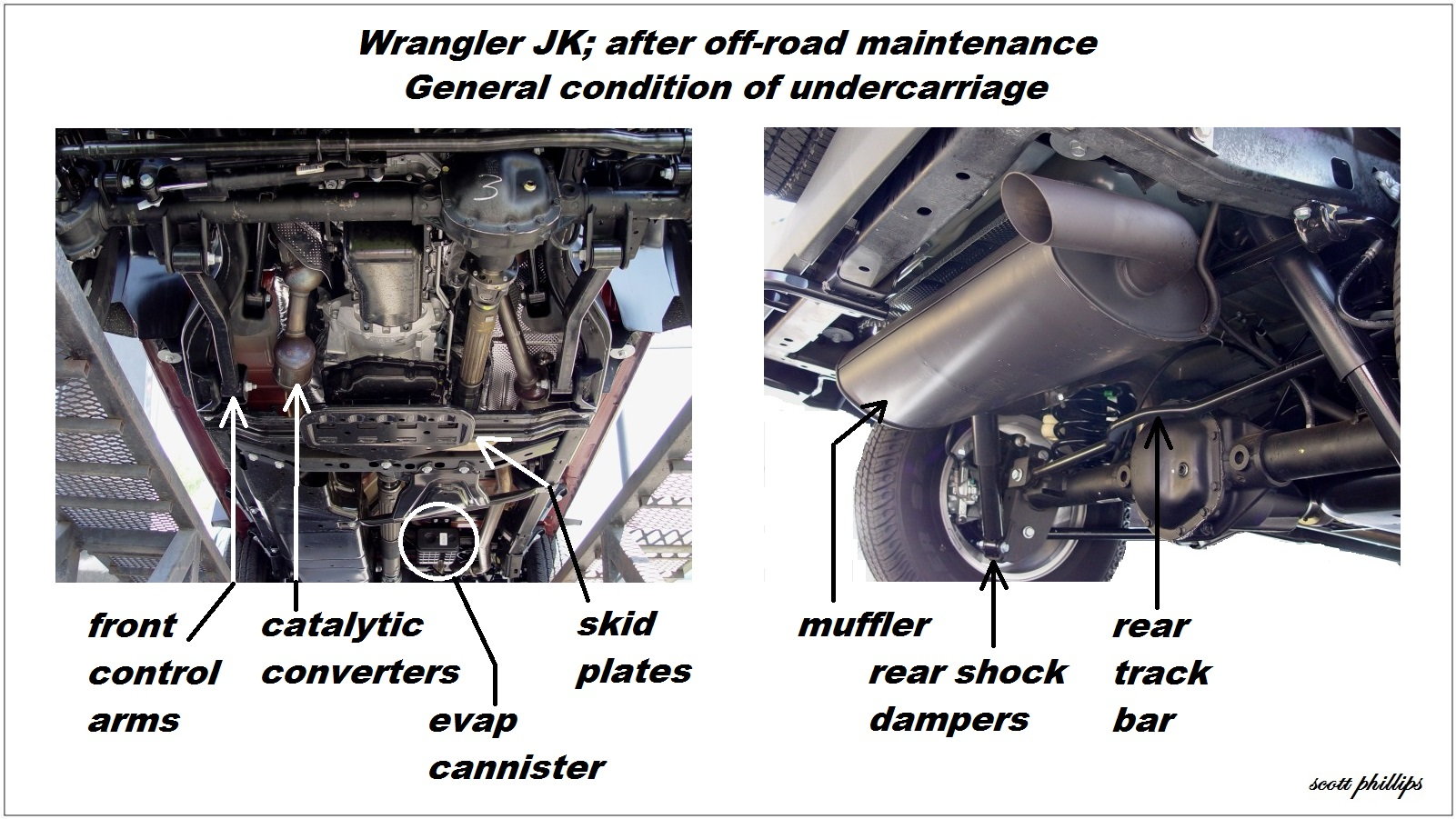
- ✦ Clean the underbody
Remove mud and sand from the frame, axles, and suspension areas.
- ✦ Check hidden areas
Look behind tires and under protective plates where debris collects.
- ✦ Dry the vehicle
Allow water to leave trapped areas to reduce corrosion risk.
Best Cleaning Areas to Inspect
The underside of a Jeep takes the most abuse on the trail. Spend extra time checking the places you cannot easily see during normal washing.
- ✦ Frame rails
Remove packed dirt that can hold moisture against the frame.
- ✦ Brake areas
Clear mud and debris that may affect braking performance.
Inspect Tires, Wheels, and Steering Components
Tires are your Jeep’s connection to the ground, so they deserve a careful inspection after every demanding trail ride. Rocks, sharp surfaces, and low-pressure driving can create cuts, sidewall damage, or uneven wear.
The Complete Guide to Jeep Maintenance After Off-Road Use includes checking tire pressure, wheel condition, and steering parts before returning to daily driving.

- ✦ Check tire damage
Look for cuts, punctures, cracks, and unusual wear patterns.
- ✦ Inspect lug nuts
Confirm wheel hardware remains properly tightened.
- ✦ Review steering feel
Notice any changes like vibration, pulling, or loose steering.
Why Tire Pressure Matters
Many off-road drivers lower tire pressure for better traction. Before highway driving, restore the recommended pressure to improve handling and reduce tire stress.
- ✦ Road safety
Correct pressure improves stability during normal driving.
Check Fluids and Drivetrain Components
Water crossings and extreme terrain can affect drivetrain fluids. Checking oil, transmission fluid, transfer case fluid, and differential fluid is an important part of post-trail care.
A fluid inspection can reveal problems early. Milky fluid, unusual smells, or low levels may show that moisture or leaks have affected a system.

- ✦ Engine oil
Check the level and condition after demanding driving.
- ✦ Differential fluid
Inspect after deep water crossings or heavy axle use.
- ✦ Transmission system
Look for leaks or signs of overheating.
Water Crossing Inspection Tips
Deep water can enter areas that are normally protected. After a water crossing, inspect fluids and check for signs of contamination before the next trip.
- ✦ Watch for leaks
Small leaks can become serious if ignored.
Inspect Suspension, Brakes, and Underbody Protection
The suspension system absorbs much of the punishment during off-road driving. Springs, shocks, control arms, bushings, and mounts should be checked after rough trails.
Skid plates and underbody protection help protect important parts, but they also collect impacts and debris. Include them in every inspection routine.

- ✦ Check shocks
Look for leaks, damage, or changes in ride quality.
- ✦ Inspect skid plates
Confirm protection panels are secure after rock impacts.
- ✦ Review brake parts
Remove dirt and check for unusual brake behavior.
Signs Your Jeep Needs Attention
New noises, vibrations, or handling changes should not be ignored. These signs often appear before major failures happen.
- ✦ Clunking sounds
May indicate loose suspension or steering parts.
Create a Simple Post-Trail Jeep Maintenance Routine
A consistent routine makes Jeep ownership easier. You do not need a full workshop after every trail ride, but you should have a repeatable checklist.
The Complete Guide to Jeep Maintenance After Off-Road Use works best when these steps become a habit. Many experienced Jeep owners perform a quick check immediately after returning home.
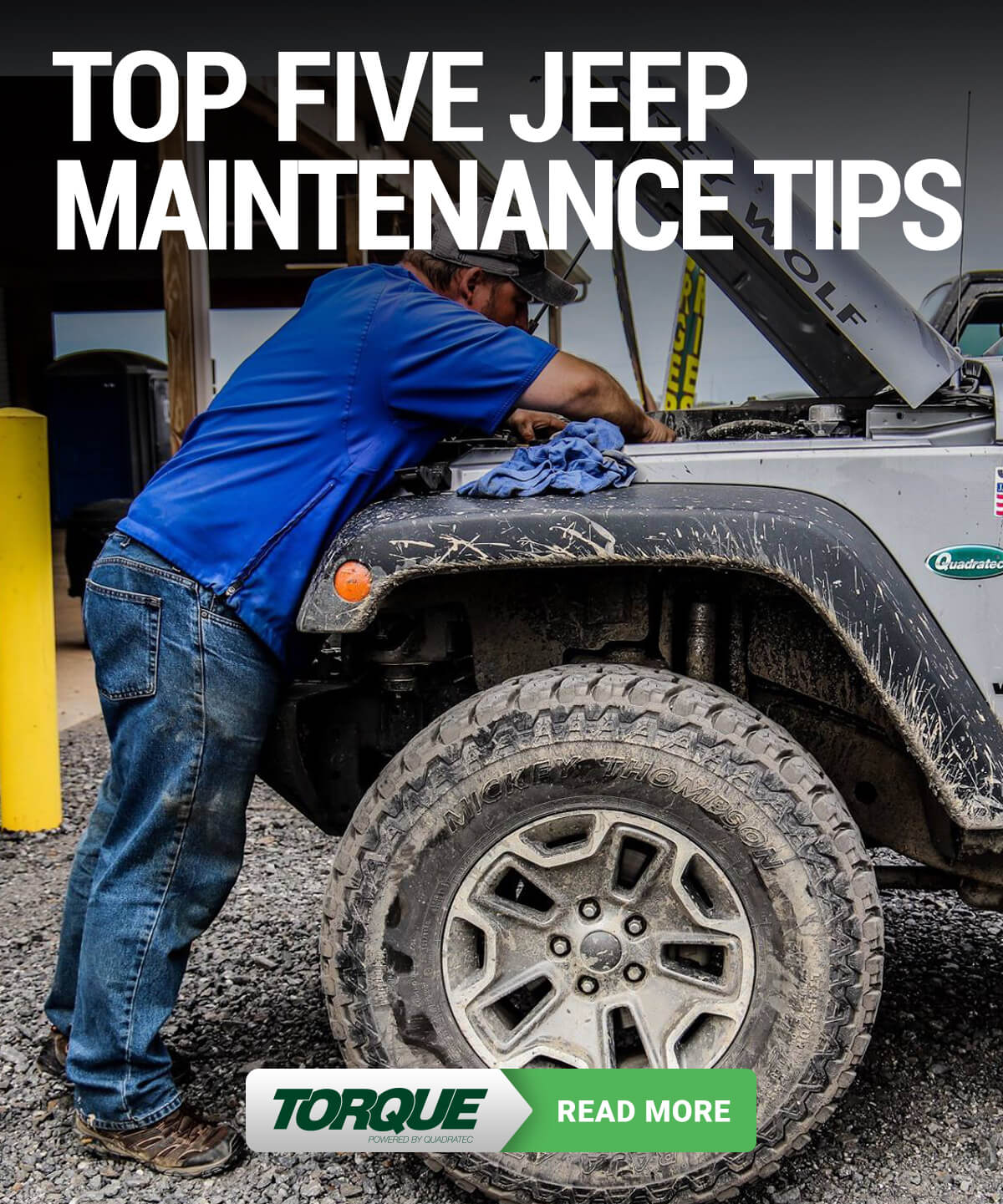
- ✦ Same-day inspection
Look for obvious damage while the trail conditions are still fresh in your mind.
- ✦ Weekly review
Check for leaks, tire changes, and unusual sounds.
- ✦ Scheduled service
Follow manufacturer maintenance intervals for long-term reliability.
Tools Every Jeep Owner Should Keep
Basic tools make post-trail checks faster and easier. A flashlight, tire gauge, gloves, and cleaning supplies are useful for most Jeep owners.
- ✦ Inspection light
Helps find leaks and damage under the Jeep.
- ✦ Tire gauge
Allows quick pressure checks after off-road driving.
Frequently Asked Questions about Complete Guide to Jeep Maintenance After Off-Road Use

Jeepexplorerr
Contributor