The Complete Guide to Jeep Tire Pressure Monitoring Systems and Sensor Programming helps Jeep owners understand a system they rely on every day. Modern Jeep models use TPMS sensors inside each wheel to track air pressure and alert drivers when a tire needs attention. This system is especially useful for U.S. drivers who travel long distances, tow trailers, or drive in changing weather conditions.
From my experience working with vehicle systems, many TPMS problems come from simple issues like incorrect tire pressure, weak sensor batteries, or sensors that were installed but never programmed correctly. Knowing how the system works makes it easier to avoid unnecessary repairs and keep your Jeep ready for daily driving or weekend adventures.
What Is a Jeep Tire Pressure Monitoring System?
A Jeep Tire Pressure Monitoring System uses electronic sensors to measure tire air pressure. These sensors send information to the vehicle computer, which checks if the pressure stays within the correct range.
The system helps drivers find low tire pressure before it becomes a bigger problem. A tire with low pressure can reduce fuel efficiency, increase tire wear, and affect handling.
- ✦ Direct TPMS Sensors
Most Jeep models use direct TPMS sensors mounted inside each wheel. These sensors measure actual tire pressure and send readings wirelessly.
- ✦ TPMS Warning Light
The dashboard warning light turns on when the system detects low pressure, sensor problems, or communication issues.
Why Jeep Uses TPMS Technology
Jeep vehicles often operate in different conditions, from city roads to off-road trails. A reliable tire pressure system helps drivers maintain control across these environments.
- ✦ Improved Safety
Correct tire pressure helps tires maintain better grip and stability.
How Jeep TPMS Sensors Work Inside the Wheels
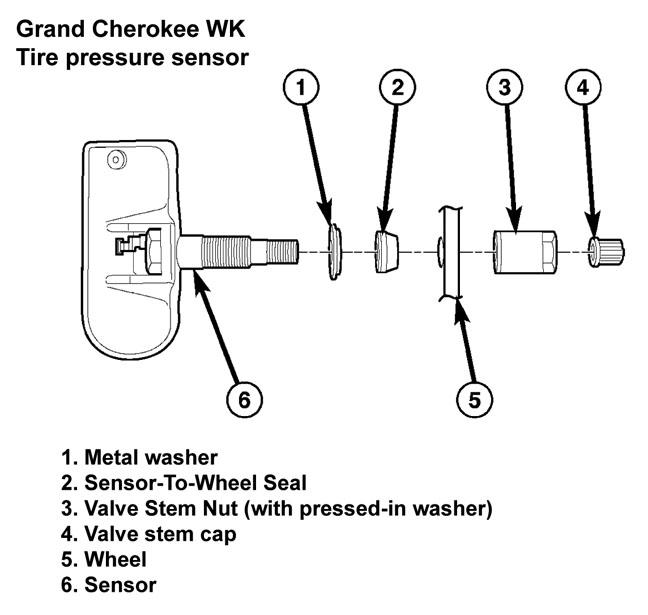
A Jeep TPMS sensor sits inside the tire assembly, usually attached to the valve stem. It contains a pressure sensor, transmitter, battery, and electronic components.
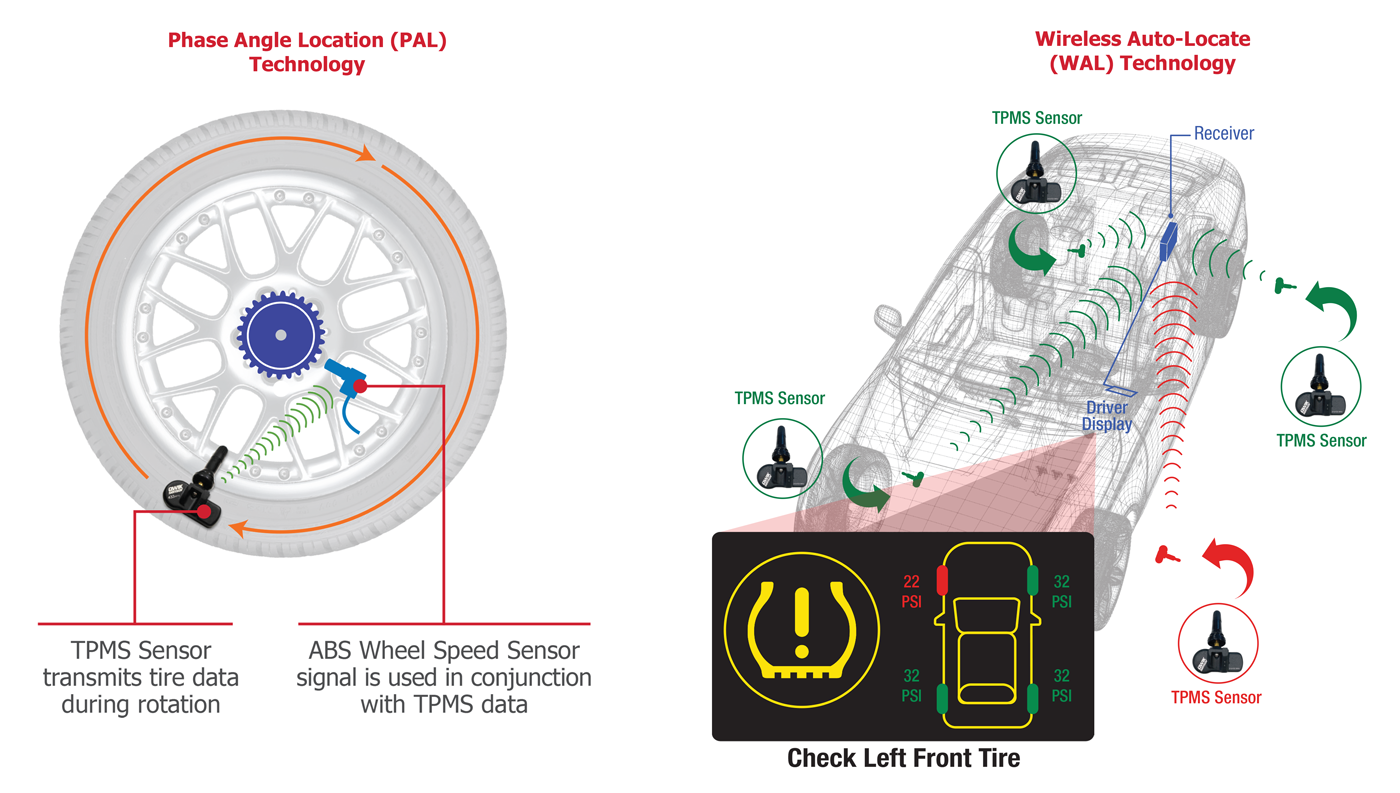
When the Jeep is moving, each sensor measures tire pressure and sends data to the receiver module. The vehicle compares this information with programmed limits and displays warnings when needed.
- ✦ Sensor Battery Life
Most TPMS sensor batteries last several years, but they are sealed units and usually require sensor replacement when the battery becomes weak.
- ✦ Wireless Communication
Sensors communicate through radio signals, allowing the vehicle computer to identify pressure changes without physical wiring.
Common Jeep TPMS Components
The TPMS system includes more than just wheel sensors. It also uses control modules and dashboard displays to provide pressure information.
- ✦ Wheel Sensors
Measure tire pressure and send wireless data.
- ✦ Vehicle Receiver
Collects sensor signals and sends information to the Jeep computer.
Understanding Jeep TPMS Sensor Programming
Jeep TPMS sensor programming connects new sensors with the vehicle computer. When a sensor is replaced, the Jeep must learn its identification code before it can read pressure data correctly.
The programming process depends on the Jeep model, sensor type, and diagnostic tools available. Some newer models can relearn sensors automatically after driving, while others need a scan tool.
- ✦ When Programming Is Needed
Programming is commonly required after replacing sensors, installing new wheels, or changing damaged TPMS equipment.
- ✦ Professional Scan Tools
Repair shops often use TPMS tools that activate sensors and upload their identification codes into the Jeep system.
TPMS Relearn Process Explained
A relearn process allows the Jeep computer to recognize each sensor location. This prevents incorrect readings and keeps the warning system accurate.
- ✦ Activate Sensors
A TPMS tool wakes the sensor and reads its information.
How to Reset a Jeep TPMS Warning Light
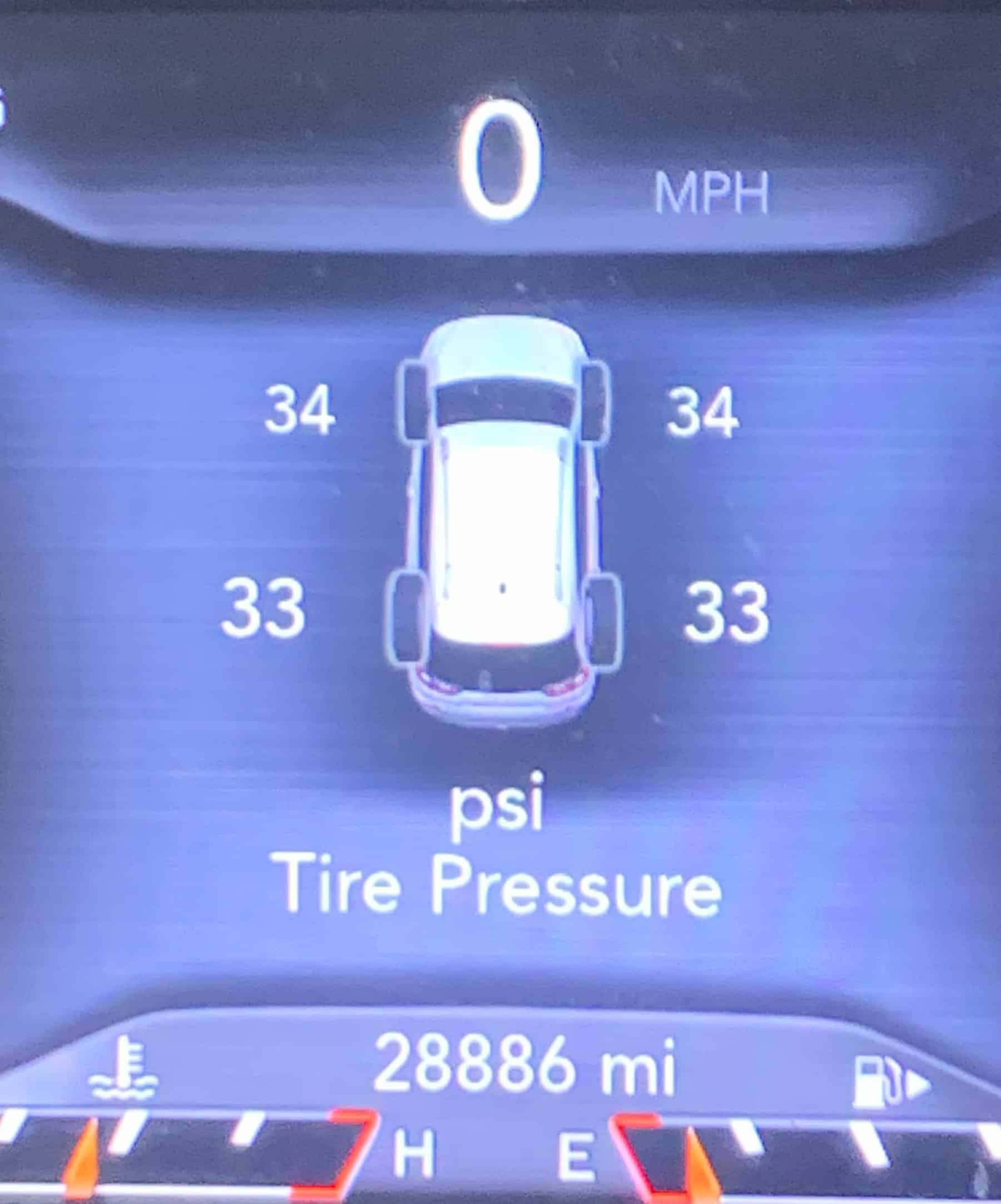
A Jeep TPMS warning light does not always mean the sensor is damaged. Low tire pressure, temperature changes, or recent tire service can trigger the warning.
Start by checking all tires with a quality pressure gauge. Inflate each tire to the pressure listed on the driver’s door label before attempting a reset.

- ✦ Check Tire Pressure First
Always correct tire pressure before diagnosing a TPMS warning.
- ✦ Drive After Adjustment
Many Jeep models need several minutes of driving before the system updates.
Common Reset Problems
If the warning remains after correct tire pressure, the issue may involve a weak sensor battery, damaged sensor, or programming error.
- ✦ Flashing TPMS Light
A flashing light often points to a system fault rather than simple low pressure.
Common Jeep TPMS Problems and Solutions
Jeep owners often experience TPMS issues after tire changes, wheel upgrades, or years of use. Most problems have simple causes and clear solutions.
Understanding the symptoms helps drivers avoid replacing parts that still work.

- ✦ Dead Sensor Battery
A sensor with a weak battery may stop sending information and require replacement.
- ✦ Incorrect Sensor Type
Using an incompatible sensor can prevent proper communication with the Jeep system.
- ✦ Programming Errors
A sensor may be installed correctly but still need a relearn procedure.
Signs Your Jeep TPMS Sensor Needs Attention
Common signs include warning lights, missing tire pressure readings, or repeated alerts even after checking tire pressure.
- ✦ Warning Messages
Dashboard messages can indicate sensor faults or communication problems.
Maintaining Jeep TPMS for Long-Term Reliability
Good TPMS maintenance starts with regular tire checks. Even the best sensor cannot replace manual inspections and proper tire care.
Drivers who check tire pressure monthly can catch problems before they damage tires or create unsafe driving conditions.

- ✦ Check Pressure Monthly
Use a pressure gauge when tires are cold for the most accurate reading.
- ✦ Inspect During Tire Service
Ask technicians to check TPMS sensors during tire replacement or rotation.
Benefits of Proper TPMS Care
Proper care improves tire performance and helps the Jeep maintain accurate pressure monitoring.
- ✦ Longer Tire Life
Correct pressure reduces uneven wear.
Frequently Asked Questions about Complete Guide to Jeep Tire Pressure Monitoring Systems and Sensor Programming

Jeepexplorerr
Contributor