The Complete Guide to Jeep Spare Tires mounting Systems Weight and Clearance explains what every Jeep owner should know before adding a larger spare tire. A factory mount may work well for stock tires, but bigger off-road tires can change the load on the rear door and hinges.
From my experience working around Jeep builds, spare tire weight is often overlooked. Many owners focus on lift kits and wheels but forget that the rear carrier carries extra stress every mile, especially on rough U.S. trails and highway trips.
The right setup depends on your tire size, wheel material, driving style, and how often you leave paved roads. This guide breaks down mounting options, weight limits, and clearance concerns in simple terms.
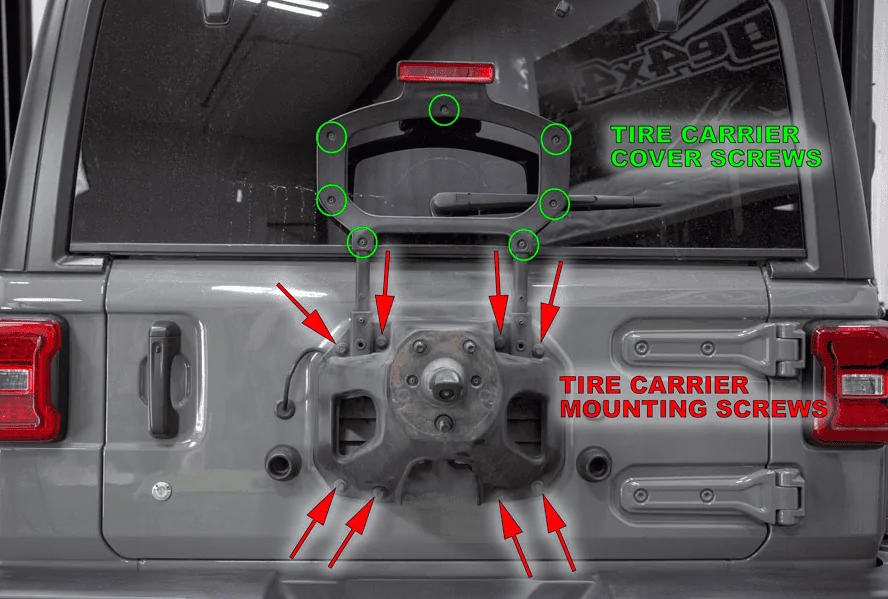
Understanding Jeep Spare Tire Mounting Systems
A Jeep spare tire mounting system holds the spare wheel and tire securely at the rear of the vehicle. Most Jeep models use a tailgate-mounted spare system from the factory, but aftermarket carriers add more strength for larger tires.
The Complete Guide to Jeep Spare Tires Mounting Systems Weight and Clearance starts with understanding how different carriers handle force. A spare tire does not only create static weight. It also moves and pulls against the mount during bumps and trail driving.

- ✦ Factory spare mounts
Factory mounts are designed for original tire sizes and normal street use. They may need support when heavier tires are installed.
- ✦ Reinforced tire carriers
Heavy-duty carriers transfer weight into stronger body areas and reduce stress on the tailgate.
- ✦ Swing-out carriers
Swing-out systems attach to the bumper and allow larger tires while improving rear door support.
Why Mounting Design Matters
A weak mounting system can cause loose bolts, damaged hinges, and annoying rear vibrations. The carrier design should match the weight and size of your spare tire.
A well-built system keeps the tire stable during daily driving, highway speeds, and off-road impacts.
- ✦ Better load control
Strong carriers reduce movement and protect Jeep body parts from extra stress.
How Spare Tire Weight Affects Jeep Performance
Spare tire weight increases quickly when moving from stock tires to larger all-terrain or mud-terrain setups. A 35-inch tire with a heavy wheel can add a major load compared with a factory spare.
The Complete Guide to Jeep Spare Tires Mounting Systems Weight and Clearance shows why weight should be considered before installation. Extra weight can affect handling, fuel use, and rear suspension behavior.

- ✦ Tire and wheel combination
The total spare weight includes the tire, wheel, mounting hardware, and any accessories attached to the carrier.
- ✦ Off-road stress
Trail impacts create stronger forces than normal road driving because the spare moves during climbs, drops, and uneven terrain.
- ✦ Rear suspension load
A heavier rear setup may change ride height and handling, especially with extra cargo.
Choosing a Carrier Based on Tire Weight
Always compare the carrier rating with your complete spare setup. A lightweight tire may work with a basic mount, while heavier combinations usually need additional support.
Many Jeep owners upgrade the carrier before adding oversized tires because prevention costs less than repairing damaged parts.
- ✦ Match the system
Choose a carrier designed for your tire size and expected driving conditions.
Jeep Spare Tire Clearance Problems and Solutions
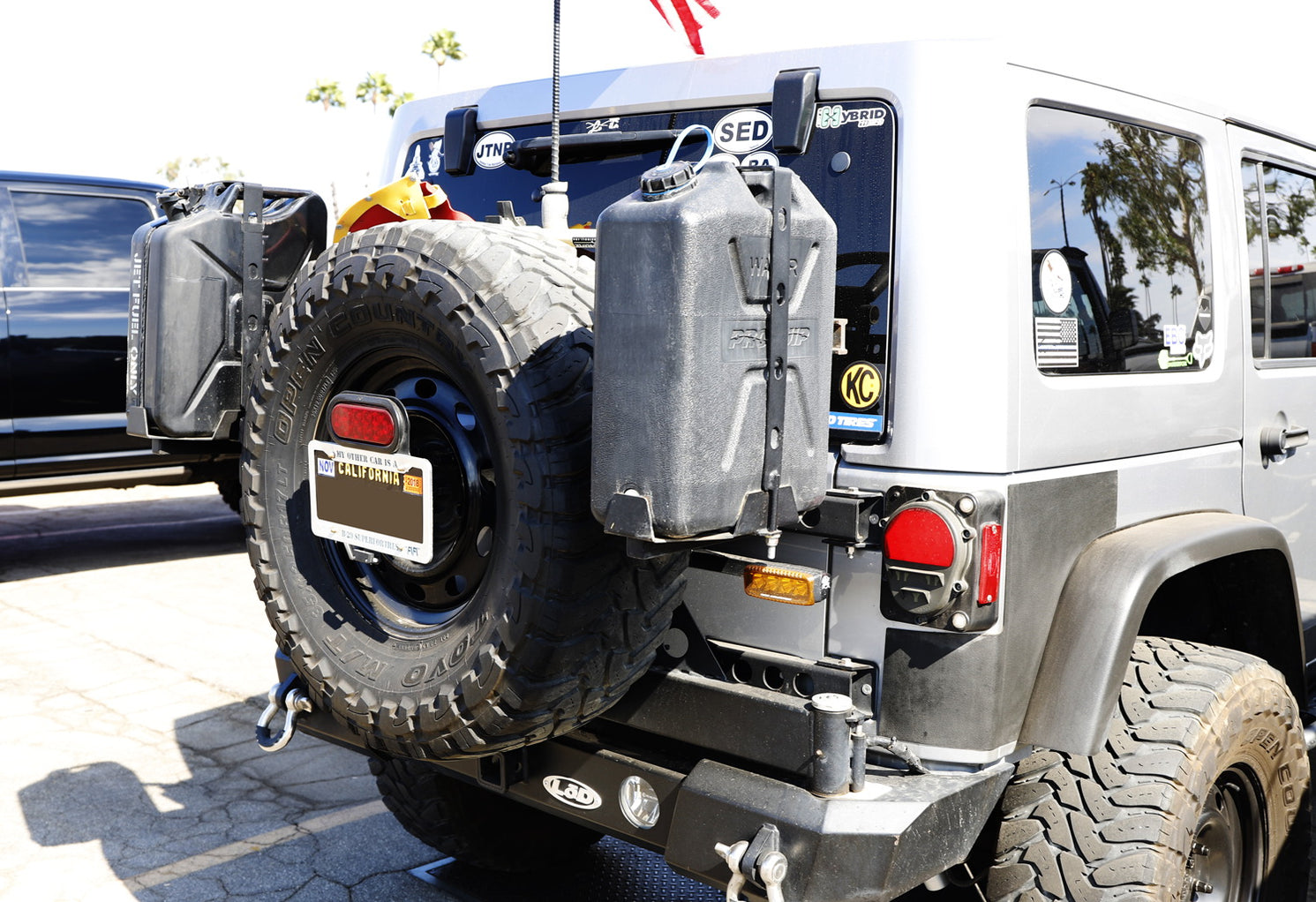
Clearance becomes important when installing larger spare tires. A tire that fits under the Jeep may contact the bumper, rear door, brake light, or body panels.
The Complete Guide to Jeep Spare Tires Mounting Systems Weight and Clearance helps owners understand these limits before buying new equipment.
- ✦ Rear door clearance
Large tires can place extra pressure on the tailgate and may prevent smooth opening.
- ✦ Brake light visibility
Oversized tires can block factory brake lights and may require relocation.
- ✦ Bumper clearance
Aftermarket bumpers and carriers often provide more room for large spare tires.
Checking Clearance Before Installation
Measure the tire diameter, tire width, and distance from the mount to nearby parts. Small differences can prevent rubbing problems.
A simple test before installation can save time and prevent damage after the first trail trip.
- ✦ Measure twice
Check all contact points before choosing a carrier or spacer.
Heavy Duty Jeep Tire Carrier Options
Heavy-duty carriers are popular among Jeep owners who run larger tires for camping, rock crawling, and overland travel. These systems improve support by moving the load away from factory hinges.
The Complete Guide to Jeep Spare Tires Mounting Systems Weight and Clearance includes these upgrades because tire size changes often require a complete mounting solution.

- ✦ Hinged carriers
These reinforce the factory tailgate area and support larger spare tires.
- ✦ Bumper mounted carriers
These systems attach to stronger bumper structures and handle heavier loads.
- ✦ Adjustable mounts
Adjustable designs help position different tire sizes correctly.
When to Upgrade Your Carrier
If your Jeep has moved from stock tires to larger sizes, the spare carrier should be reviewed. Warning signs include rattling, sagging, and difficulty closing the tailgate.
An upgrade can improve reliability and reduce long-term repair costs.
- ✦ Common upgrade signs
Noise, movement, and visible stress around mounting points indicate possible problems.
Installation Tips for Jeep Spare Tire Mounting Systems
Correct installation is just as important as choosing the right carrier. Loose hardware or incorrect alignment can create safety issues over time.
The Complete Guide to Jeep Spare Tires Mounting Systems Weight and Clearance recommends checking bolts, brackets, and contact points after installation and after off-road use.
- ✦ Use proper hardware
Quality bolts and mounting parts help maintain strength under load.
- ✦ Check alignment
The tire should sit evenly without pushing against nearby parts.
- ✦ Inspect regularly
Routine checks help find loose parts before they become major issues.
Maintenance After Installation
A spare tire carrier needs regular attention, especially on Jeeps used for trails. Dirt, vibration, and weather can affect hardware over time.
Simple inspections can keep your spare secure for years.
- ✦ Inspection routine
Look for cracks, loose bolts, rust, and unusual movement.
Frequently Asked Questions about Complete Guide to Jeep Spare Tires Mounting Systems Weight and Clearance

Jeepexplorerr
Contributor