The Complete Guide to Jeep Suspension Lift Geometry and Component Relationships explains how a lift kit changes more than ride height. When a Jeep gains extra clearance, every suspension angle shifts. Control arms, track bars, driveshafts, and steering parts all move into new positions.
From my experience working around lifted Jeeps, many problems do not come from the lift itself. They come from ignoring the relationship between components. A Jeep Wrangler used for daily driving in the USA needs different priorities than one built only for weekend trails.
The Complete Guide to Jeep Suspension Lift Geometry and Component Relationships helps Jeep owners understand why geometry matters. A well-planned setup improves road manners, off-road ability, and long-term component life.

Understanding Jeep Suspension Lift Geometry Basics
Jeep suspension lift geometry describes the position and movement of suspension parts after changing ride height. A factory Jeep is designed with specific angles that balance comfort, steering, and durability.
When you install a lift kit, the axle moves farther from the frame. This changes control arm angles, track bar position, caster angle, and driveshaft alignment. The Complete Guide to Jeep Suspension Lift Geometry and Component Relationships focuses on keeping these changes under control.

- ✦ Suspension angles
Angles between suspension parts affect how the axle moves during compression and extension.
- ✦ Component balance
Every suspension part must support the movement of the others for stable performance.
Why Lift Height Changes Suspension Behavior
A taller Jeep does not simply sit higher. The axle travels through a different path because control arms operate at new angles.
Small geometry changes can create noticeable differences in steering feel, tire wear, and highway stability.
- ✦ Higher center of gravity
Extra height can increase body movement during turns and sudden direction changes.
How Control Arms Affect Lifted Jeep Geometry
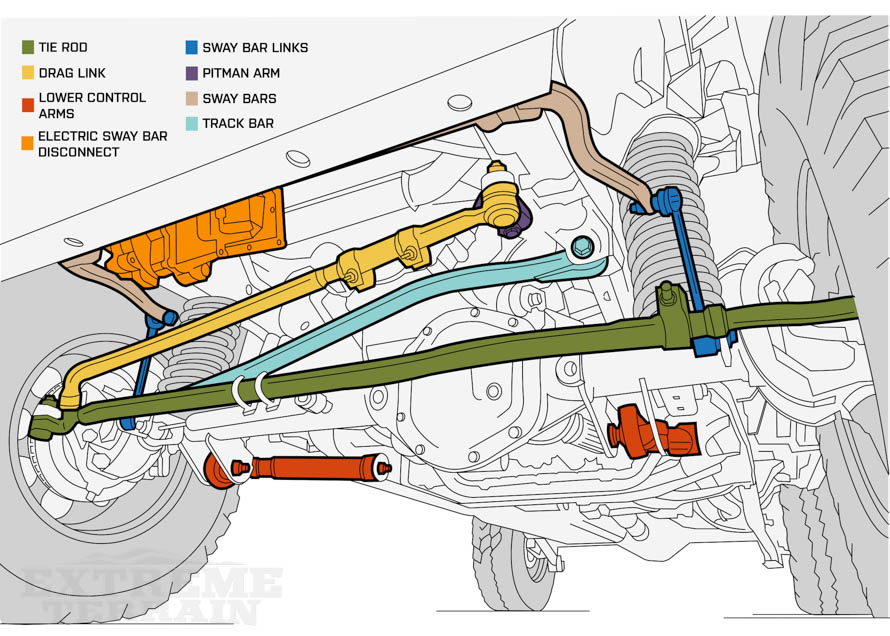
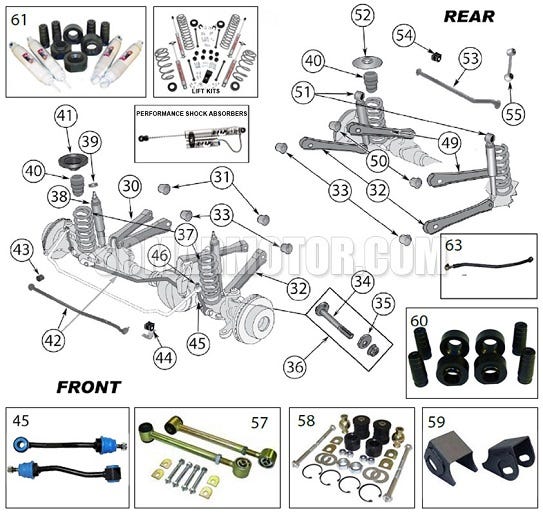
Control arms connect the axle housing to the Jeep frame. They control axle location while allowing suspension movement. After a lift, their operating angles change.
The Complete Guide to Jeep Suspension Lift Geometry and Component Relationships shows why control arm upgrades are common after larger lifts. Adjustable control arms allow owners to restore factory-like angles.
- ✦ Upper control arms
They help adjust caster and axle rotation after lifting a Jeep.
- ✦ Lower control arms
They help position the axle and maintain wheelbase measurements.
Fixed Versus Adjustable Control Arms
Fixed arms can work well with mild lifts, but adjustable arms provide more control. They allow precise tuning after installation.
For Jeep owners who drive both highways and trails, adjustability can make the suspension easier to fine-tune.
- ✦ Better tuning
Adjustable parts help correct geometry changes caused by lift height.
Track Bars and Axle Centering After a Jeep Lift
The track bar keeps the axle centered under the Jeep. A lift changes the track bar angle, which can pull the axle slightly to one side.
This relationship is a major part of the Complete Guide to Jeep Suspension Lift Geometry and Component Relationships because axle position affects handling and tire clearance.

- ✦ Axle alignment
A properly positioned axle improves stability and prevents uneven tire placement.
- ✦ Adjustable track bars
They help recenter the axle after installing a lift kit.
Signs of Poor Track Bar Geometry
A Jeep with incorrect track bar geometry may feel loose or unpredictable. Drivers may notice steering changes after bumps or uneven roads.
Checking axle position during installation helps prevent these issues.
- ✦ Common symptoms
Steering wander, uneven tire position, and increased suspension stress can appear.
Caster Angle, Steering Feel, and Alignment Needs
Caster angle helps a Jeep return to center after turning. Lifting a Jeep can reduce caster because axle rotation changes.
The Complete Guide to Jeep Suspension Lift Geometry and Component Relationships includes caster because steering confidence depends on correct alignment. A Jeep that tracks straight feels safer on American highways and local roads.

- ✦ Positive caster
Proper positive caster improves steering return and straight-line stability.
- ✦ Alignment checks
A lift installation should include inspection of important alignment settings.
Correcting Caster Changes
Owners can restore caster with adjustable control arms or other geometry correction parts. The correct solution depends on lift height and Jeep model.
A small adjustment can create a major improvement in steering quality.
- ✦ Professional setup
Accurate measurements help avoid unnecessary parts replacement.
Driveshaft Angles and Suspension Lift Effects
A Jeep lift also changes driveshaft angles. The farther the axle moves away from the transfer case, the more important driveline alignment becomes.
The Complete Guide to Jeep Suspension Lift Geometry and Component Relationships covers driveshaft concerns because vibration often comes from incorrect angles rather than a faulty drivetrain.
- ✦ Universal joints
Changed operating angles can increase stress on traditional joints.
- ✦ Double cardan driveshafts
Some Jeep applications use upgraded shafts to handle increased angles.
When Driveshaft Upgrades Become Necessary
Not every lifted Jeep needs new driveshafts. The need depends on lift height, model, usage, and current component condition.
Trail-focused Jeeps often need more attention because suspension travel is greater.
- ✦ Watch for vibration
New vibration after lifting may indicate driveline angle problems.
Choosing the Right Suspension Components for a Lifted Jeep
A successful lift depends on matching parts as a complete system. Springs, shocks, control arms, and steering components must work together.
The Complete Guide to Jeep Suspension Lift Geometry and Component Relationships shows that quality installation is about balance, not only height. A moderate lift with correct geometry often performs better than an extreme lift with poor planning.

- ✦ Shocks
Correct shock length allows proper suspension travel and control.
- ✦ Springs
Spring rate affects comfort, load handling, and off-road movement.
- ✦ Steering components
Steering upgrades may be needed when larger tires and lifts increase stress.
Daily Driver Versus Trail Jeep Setup
A Jeep used for commuting needs comfort and predictable handling. A trail Jeep may prioritize articulation and clearance.
Understanding your driving style helps you choose the correct geometry corrections.
- ✦ Match the build
Parts should fit your actual driving needs instead of only appearance goals.
Frequently Asked Questions about Complete Guide to Jeep Suspension Lift Geometry and Component Relationships

Jeepexplorerr
Contributor