The Complete Guide to Jeep EVAP Systems Fuel Vapors and Emissions Problems explains how this important system works and why failures happen. Modern Jeeps use the EVAP system to trap gasoline vapors from the fuel tank and reuse them during engine operation. This keeps fuel waste low and helps meet U.S. emissions rules.
From my experience working through vehicle diagnostics, many Jeep owners first notice an EVAP problem after a check engine light appears. The issue may feel small, like a loose gas cap, or more complex, like a hidden vapor leak. A careful diagnosis usually saves time and prevents replacing good parts.

What Is a Jeep EVAP System and How Does It Work?
The Jeep EVAP system is short for evaporative emission control system. Its main job is to collect gasoline vapors that form inside the fuel tank. Instead of letting these vapors escape into the atmosphere, the system stores and burns them inside the engine.
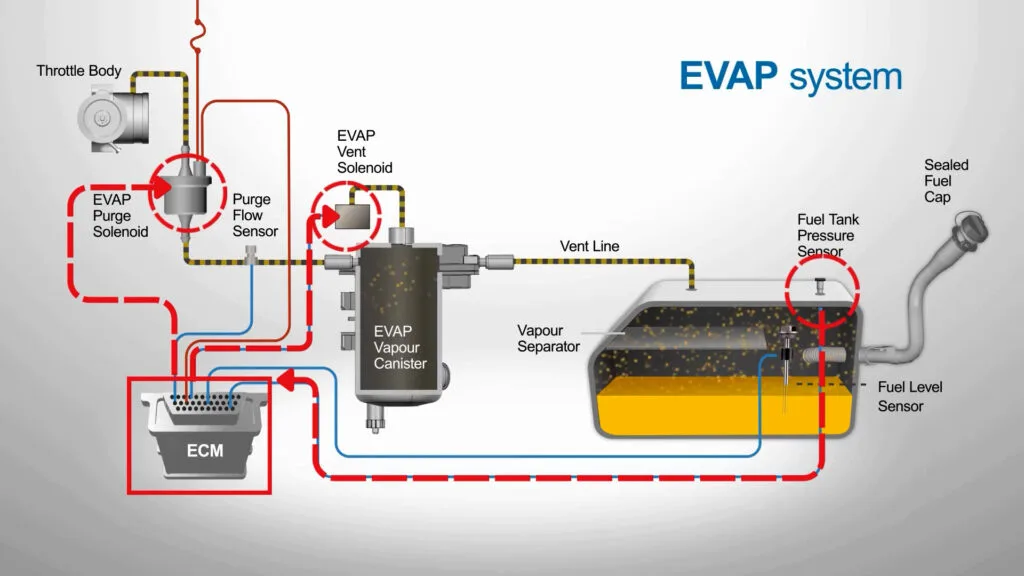
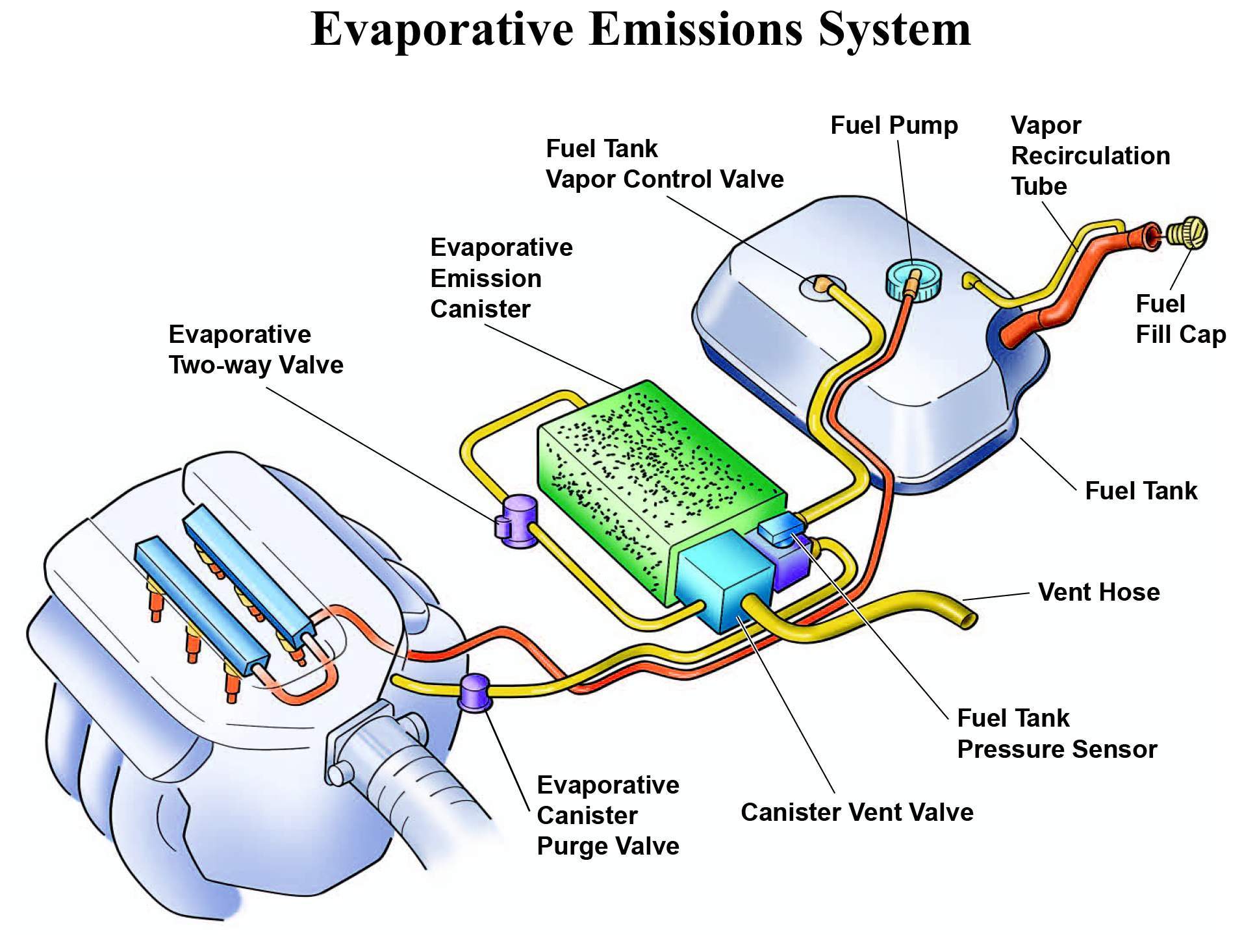
The Complete Guide to Jeep EVAP Systems Fuel Vapors and Emissions Problems starts with understanding this basic process. The system uses several parts that work together, including the charcoal canister, purge valve, vent valve, fuel tank pressure sensor, and vapor lines.

- ✦ Fuel Tank
The fuel tank creates vapor as gasoline warms and expands. The EVAP system captures these vapors before they escape.
- ✦ Charcoal Canister
The charcoal canister stores fuel vapors until the engine computer commands them to enter the engine.
- ✦ Purge Valve
The purge valve controls when stored vapors move into the engine for combustion.
Why EVAP Systems Matter in Daily Driving
A working EVAP system improves fuel control and reduces air pollution. In the United States, emissions inspections in many states can fail a vehicle with an active EVAP fault.
A Jeep with a damaged EVAP system may still drive normally, but ignoring the problem can lead to larger repair needs over time.
- ✦ Emission Control
The system prevents raw gasoline vapors from entering the environment.
Common Jeep EVAP Problems and Their Causes
The Complete Guide to Jeep EVAP Systems Fuel Vapors and Emissions Problems must cover the failures owners see most often. EVAP faults are common because the system contains many small hoses, valves, and sensors exposed to heat, dirt, and vibration.
A Jeep may show a check engine light while still running well. This happens because the EVAP system mainly affects emissions rather than basic engine power.
- ✦ Loose or Damaged Gas Cap
A weak gas cap seal can allow vapor pressure to escape and trigger EVAP leak codes.
- ✦ Cracked EVAP Hoses
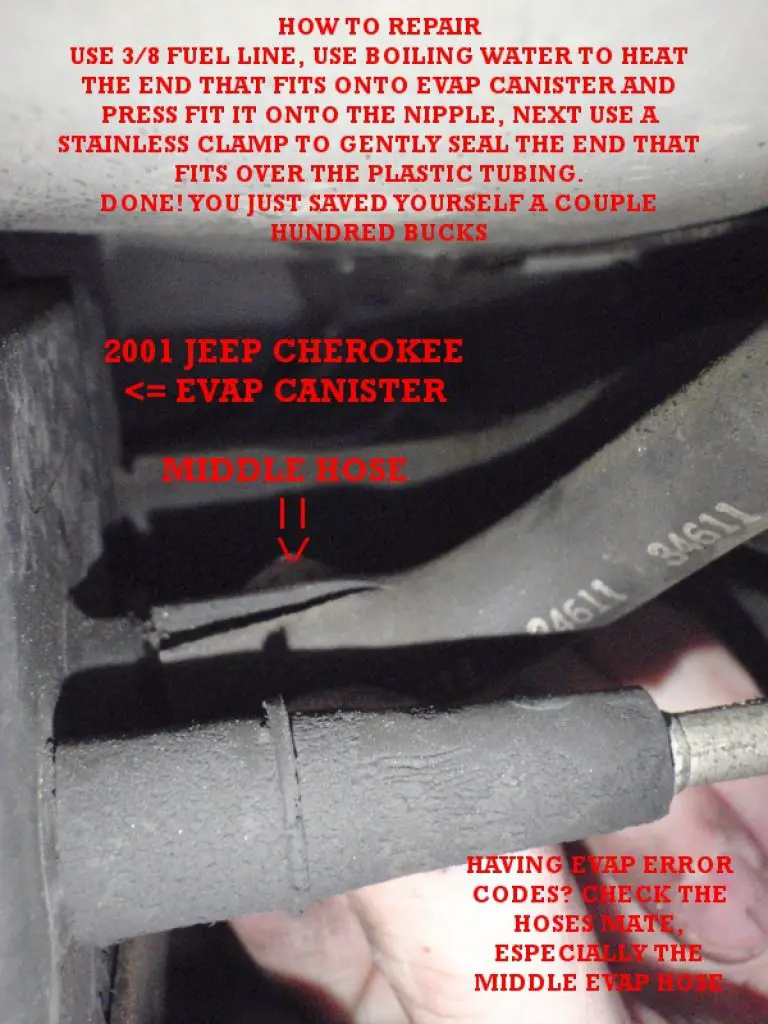
Small cracks in vapor lines can create leaks that are difficult to find without testing equipment.
- ✦ Faulty Purge Valve
A stuck purge valve can cause rough starts, fuel smell, or incorrect vapor flow.
How Heat and Age Affect EVAP Components
Many Jeep EVAP failures appear after years of use because rubber hoses become hard and brittle. Off-road driving can also expose EVAP parts to dust, moisture, and impacts.
Regular inspections help find small problems before they become expensive repairs.
- ✦ Aging Parts
Old seals and plastic connectors can lose their ability to hold vapor pressure.
Understanding Common Jeep EVAP Trouble Codes
Diagnostic trouble codes help technicians identify possible EVAP failures. However, a code does not always point directly to one bad part. Testing is needed before making repairs.
The Complete Guide to Jeep EVAP Systems Fuel Vapors and Emissions Problems includes several common codes Jeep owners may encounter.

- ✦ P0455 Large EVAP Leak
This code means the system detected a large leak, often caused by disconnected hoses, missing caps, or major vapor leaks.
- ✦ P0456 Small EVAP Leak
This code indicates a very small leak that may require smoke testing to locate.
- ✦ P0440 General EVAP Failure
This code signals a general EVAP malfunction and requires further diagnosis.
How to Diagnose Jeep EVAP System Problems
Finding an EVAP leak requires patience because many parts are hidden under the vehicle or near the fuel tank. Professional technicians often combine scan data, inspection, and pressure testing.
The Complete Guide to Jeep EVAP Systems Fuel Vapors and Emissions Problems recommends checking simple causes first before replacing expensive components.
- ✦ Inspect the Gas Cap
Check the seal and confirm the cap clicks tightly after installation.
- ✦ Use a Scan Tool
A diagnostic scanner can read EVAP codes and monitor system information.
- ✦ Perform Smoke Testing
Smoke testing pushes visible vapor through the system to locate hidden leaks.
Why Guessing EVAP Repairs Often Fails
Replacing random EVAP parts can become costly. A bad sensor code does not always mean the sensor itself is broken.
A complete test identifies the true cause and prevents repeated repairs.
- ✦ Accurate Testing
Proper diagnosis reduces wasted money and repair time.
Jeep EVAP Repair Options and Maintenance Tips
Repair costs depend on the failed component and vehicle model. Some fixes are simple, while others require access to fuel tank areas or specialized equipment.
Preventive care is a major part of the Complete Guide to Jeep EVAP Systems Fuel Vapors and Emissions Problems because small checks can prevent bigger issues.
- ✦ Replace Damaged Hoses
Cracked vapor lines should be replaced to restore system sealing.
- ✦ Service Faulty Valves
Failed purge or vent valves may need replacement to restore proper vapor control.
- ✦ Maintain the Fuel Cap
A quality fuel cap with a good seal helps maintain correct EVAP pressure.
Tips for Long-Term EVAP Health
Avoid forcing fuel into the tank after the pump shuts off. Overfilling can send liquid fuel into parts designed only for vapor.
Keep up with routine Jeep maintenance and address check engine lights early.
- ✦ Avoid Overfilling
Extra fuel can damage EVAP components and reduce system performance.
Frequently Asked Questions about Complete Guide to Jeep EVAP Systems Fuel Vapors and Emissions Problems

Jeepexplorerr
Contributor