The complete Guide to Jeep Fuel Pumps Injectors Pressure and Fuel Delivery helps Jeep owners understand one of the most important engine systems. Whether you drive a Wrangler, Grand Cherokee, Cherokee, Gladiator, or another Jeep model, fuel delivery problems can quickly affect daily driving, towing, and off-road performance.
From my experience working with vehicle systems, many fuel issues are misdiagnosed because people replace parts before testing pressure and flow. A Jeep engine needs the right fuel volume, correct pressure, and clean injector operation to run efficiently. This guide explains how each part works and how to identify common failures.

How Jeep Fuel Delivery Systems Work
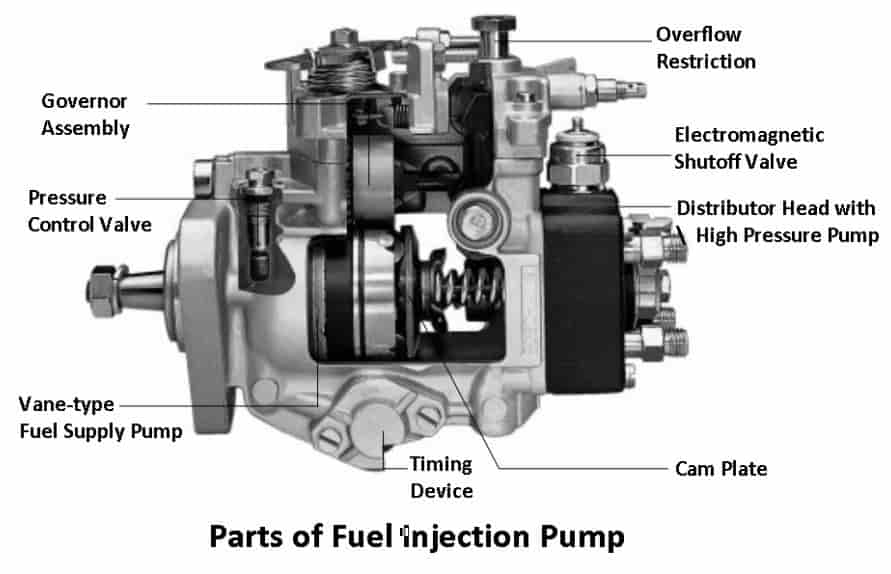
The Complete Guide to Jeep Fuel Pumps Injectors Pressure and Fuel Delivery starts with understanding the fuel path. Fuel moves from the tank through the pump, fuel lines, filter systems, and injectors before entering the engine.
Modern Jeep models use electronic fuel injection controlled by the engine computer. Sensors measure engine conditions, and the computer adjusts injector timing to maintain proper performance.
- ✦ Fuel tank
The tank stores gasoline or diesel and protects the fuel supply from outside contamination.
- ✦ Fuel pump
The pump creates the pressure needed to move fuel through the delivery system.
- ✦ Fuel injectors
Injectors spray measured fuel into the engine based on computer commands.
- ✦ Engine control module
The computer manages fuel delivery using sensor information.
Why Fuel Delivery Balance Matters
A Jeep engine does not need the most fuel possible. It needs the correct fuel amount at the correct time. Too little fuel can cause poor power, while too much fuel can reduce efficiency and damage emissions parts.
Jeep Fuel Pumps Explained: Design, Operation, and Failure Signs
The fuel pump is the heart of the Jeep fuel system. Most modern Jeeps use an electric pump located inside the fuel tank. The pump pushes fuel toward the engine while maintaining the pressure required by the injectors.
The Complete Guide to Jeep Fuel Pumps Injectors Pressure and Fuel Delivery shows why pump health matters. A weak pump may still run but fail to provide enough fuel during acceleration, towing, or climbing steep trails.

- ✦ Hard starting
A failing pump may not build pressure quickly when you turn the ignition on.
- ✦ Engine hesitation
Low fuel flow can cause hesitation when the engine demands more power.
- ✦ No start condition
A completely failed pump can stop fuel delivery and prevent engine operation.
How Fuel Pump Problems Develop
Fuel pumps wear over time because they operate continuously while the engine runs. Contaminated fuel, clogged filters, and regularly driving with very low fuel levels can increase pump stress.
- ✦ Electrical issues
Bad wiring, relays, or connections can stop a good pump from working.
Understanding Jeep Fuel Pressure and Why It Matters
Fuel pressure controls how well injectors can deliver fuel. Every Jeep engine has a designed pressure range, and the system must stay within that range for proper combustion.
The Complete Guide to Jeep Fuel Pumps Injectors Pressure and Fuel Delivery requires pressure testing because symptoms alone can be misleading. A weak pump, clogged filter, faulty regulator, or leaking injector may create similar driving problems.

- ✦ Low fuel pressure
Can cause weak acceleration, rough running, and difficult starting.
- ✦ High fuel pressure
Can create rich fuel mixtures, poor mileage, and increased emissions.
Testing Fuel Pressure Correctly
A fuel pressure gauge helps confirm whether the system works correctly. Testing should follow the vehicle service procedure because pressure specifications vary by Jeep engine and model year.
Jeep Fuel Injectors: Function, Problems, and Maintenance
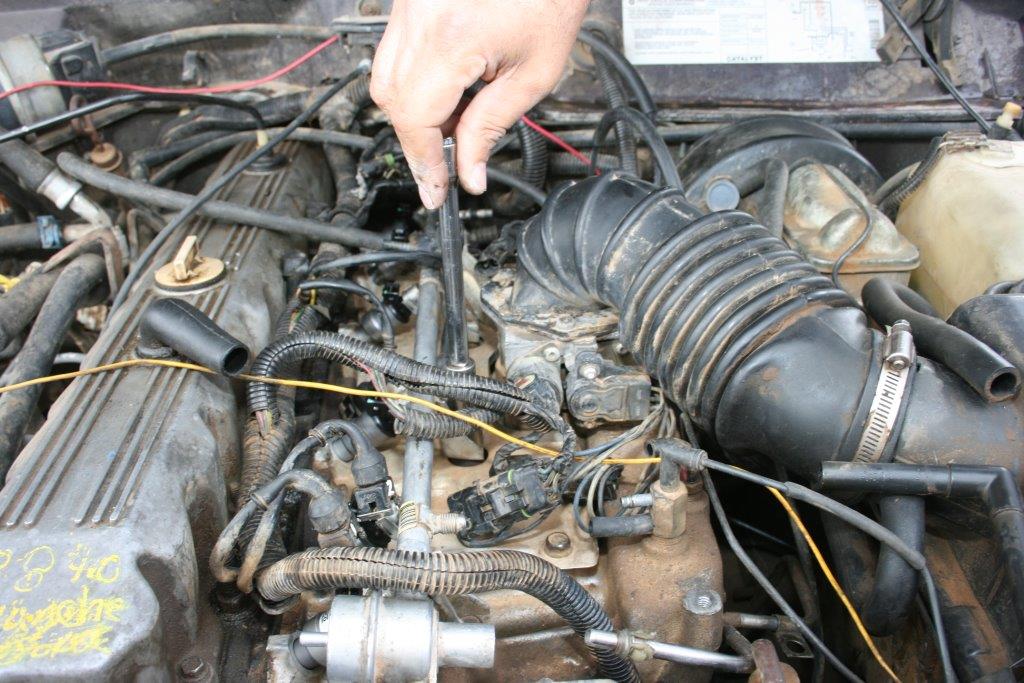
Fuel injectors are precision parts that spray fuel into the engine. They open and close rapidly to provide the exact amount of fuel needed for each combustion cycle.
Dirty or damaged injectors can affect Jeep performance. Common symptoms include rough idle, engine misfires, poor fuel economy, and reduced power.
- ✦ Clogged injectors
Deposits can restrict fuel spray and reduce engine efficiency.
- ✦ Leaking injectors
A leaking injector can create hard starts and excessive fuel use.
- ✦ Electrical injector faults
Wiring or control problems can prevent proper injector operation.
Cleaning vs Replacing Injectors
Some injector issues improve with professional cleaning, but damaged injectors may require replacement. Proper diagnosis prevents unnecessary parts costs.
Common Jeep Fuel System Symptoms and Diagnosis Steps
Fuel delivery problems often appear as engine performance issues. A careful inspection helps separate fuel problems from ignition, sensor, or mechanical failures.
The Complete Guide to Jeep Fuel Pumps Injectors Pressure and Fuel Delivery recommends starting with simple checks before replacing expensive components.

- ✦ Check engine light
Fuel-related sensor or mixture problems may trigger warning codes.
- ✦ Poor acceleration
Restricted fuel flow can reduce available engine power.
- ✦ Poor fuel economy
Incorrect fuel delivery can increase fuel consumption.
Basic Diagnostic Process
A good diagnosis includes checking fuel pressure, scanning engine codes, inspecting wiring, and examining injector operation. This process avoids guessing and saves repair costs.
Fuel System Maintenance Tips for Jeep Owners
Regular fuel system care helps Jeeps perform well in American driving conditions, including highway trips, towing, winter weather, and off-road use.
Simple maintenance habits can extend the life of pumps and injectors while reducing the chance of unexpected breakdowns.
- ✦ Use quality fuel
Cleaner fuel helps reduce deposits and contamination.
- ✦ Replace filters when required
A clean filter protects fuel system components.
- ✦ Avoid running extremely low on fuel
Fuel helps cool many in-tank pump designs.
Benefits of Preventive Care
Preventive maintenance improves reliability and helps detect small issues before they become expensive repairs. Jeep owners who use their vehicles for towing or trails should pay extra attention to fuel system condition.