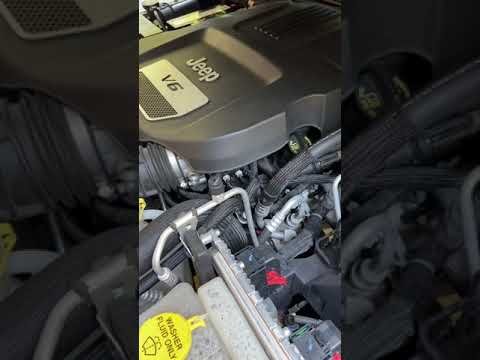
The Complete Guide to Jeep Rough Idle Stalling and Idle-Speed Problems helps owners understand why their Jeep shakes, stalls, or struggles to maintain steady RPM. Many drivers notice the issue while sitting at a traffic light, starting the engine in the morning, or running accessories with the engine at idle.
From my experience studying vehicle troubleshooting, the fastest repairs come from following a logical process instead of replacing random parts. A Jeep engine needs the correct balance of air, fuel, spark, and computer control to idle smoothly.
Understanding Jeep Rough Idle, Stalling, and Idle-Speed Problems
The Complete Guide to Jeep Rough Idle Stalling and Idle-Speed Problems starts with understanding how idle operation works. When your Jeep is parked and the engine is running, the computer controls fuel delivery, airflow, and ignition timing to keep RPM stable.
A rough idle means the engine speed changes, vibration increases, or combustion becomes uneven. Stalling happens when the engine cannot maintain enough power to keep running.

- ✦ Rough idle symptoms
Common signs include shaking, low RPM, engine hesitation, unusual sounds, and unstable engine speed.
- ✦ Stalling symptoms
The Jeep may shut off during stops, cold starts, parking, or when electrical loads increase.
Why Jeep Engines Need Stable Idle Control
Modern Jeep models use sensors and electronic controls to adjust idle speed. A small problem in one system can affect the entire engine balance.
- ✦ Engine computer control
The ECU uses sensor information to manage idle speed and fuel mixture.
Common Causes of Jeep Rough Idle and Engine Stalling
The most common causes of Jeep rough idle include dirty throttle bodies, vacuum leaks, weak ignition parts, fuel delivery problems, and failing sensors. Each issue creates a different pattern that can help with diagnosis.
A careful inspection saves money because many idle problems do not require major engine repairs.

- ✦ Vacuum leaks
Cracked hoses can allow extra air into the engine and create an unstable fuel mixture.
- ✦ Dirty throttle body
Carbon buildup can restrict airflow and make idle control difficult.
- ✦ Faulty sensors
Problems with sensors such as the MAP or oxygen sensor can affect engine performance.
How to Diagnose Jeep Idle-Speed Problems Step by Step
The Complete Guide to Jeep Rough Idle Stalling and Idle-Speed Problems requires a structured diagnosis. Start with simple checks before moving to advanced testing.
A professional technician usually checks stored trouble codes, listens to engine behavior, checks air leaks, and tests fuel and ignition systems.

- ✦ Check warning lights
Scan the Jeep computer for stored OBD-II codes before replacing parts.
- ✦ Inspect air intake parts
Look for damaged hoses, loose connections, and dirty throttle components.
- ✦ Test ignition components
Inspect spark plugs, coils, and related ignition parts for wear.
Using OBD-II Data Correctly
Diagnostic codes provide clues, but they do not always identify the exact failed part. Testing related systems is important before repair.
Fuel, Air, and Ignition Repairs for Jeep Idle Problems
A Jeep engine needs the right fuel mixture and strong ignition spark. Problems in these areas often create rough idle and sudden stalling.
Cleaning maintenance items and replacing worn components can restore smooth operation when the problem is identified correctly.

- ✦ Fuel injector problems
Dirty or failing injectors can cause uneven combustion and engine vibration.
- ✦ Spark plug wear
Old spark plugs may create misfires that feel like rough idle.
Jeep Models Commonly Affected by Idle Issues
Different Jeep models can experience idle problems for different reasons. Wrangler, Grand Cherokee, Cherokee, and Renegade owners may see similar symptoms but require model-specific diagnosis.
Engine design, mileage, maintenance history, and driving conditions all influence idle performance.
- ✦ Older Jeep models
Older vehicles may have worn vacuum lines, sensors, or throttle components.
- ✦ Modern Jeep models
Newer vehicles depend more on electronic controls and sensor accuracy.
Preventing Future Jeep Rough Idle and Stalling Problems
The Complete Guide to Jeep Rough Idle Stalling and Idle-Speed Problems also focuses on prevention. Regular maintenance reduces the chance of unexpected engine behavior.
Simple habits like replacing filters on time, checking warning signs early, and keeping service records can improve reliability.
- ✦ Regular inspections
Inspect hoses, electrical connections, and engine components during routine service.
- ✦ Follow maintenance schedules
Factory service intervals help prevent many performance issues.