Jeep Exhaust Emissions and Catalytic Systems Explained helps owners understand one of the most important systems under their vehicle. Modern Jeeps use advanced exhaust technology to reduce harmful pollutants while keeping engines efficient. Whether you drive a Wrangler through city traffic or take a Grand Cherokee on long highway trips, the emission system plays a key role in performance and reliability.
From my experience studying Jeep repair systems, many owners focus on engines, tires, and suspension but overlook the exhaust system. A failing catalytic converter or damaged oxygen sensor can affect power, fuel economy, and even vehicle inspections in many U.S. states. Understanding how these parts work makes it easier to spot issues early.
How Jeep Exhaust Emissions Systems Work
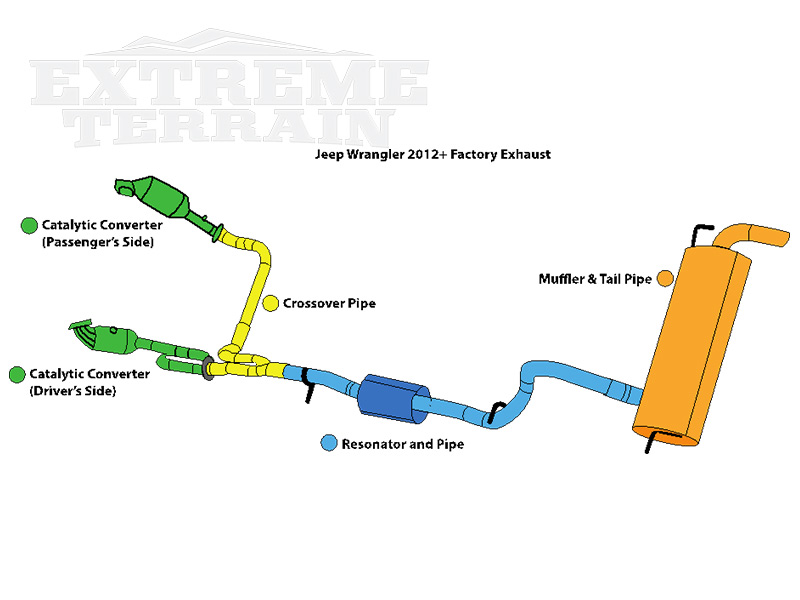
Jeep Exhaust Emissions and Catalytic Systems Explained starts with understanding how exhaust gases move through the vehicle. The engine burns fuel and creates gases such as carbon monoxide, hydrocarbons, and nitrogen oxides. The exhaust system captures these gases and processes them before releasing them into the atmosphere.
A modern Jeep uses several components to control emissions. These include the exhaust manifold, catalytic converter, oxygen sensors, exhaust pipes, and engine control module. Each part works together to maintain the correct air and fuel mixture while reducing pollution.
- ✦ Exhaust Manifold
The exhaust manifold collects gases from engine cylinders and sends them toward emission control components.
- ✦ Engine Control Module
The computer adjusts fuel delivery using sensor information to improve combustion and reduce emissions.
- ✦ Exhaust Pipes
Pipes move treated gases from the catalytic converter toward the muffler and tailpipe.
Why Emission Control Matters for Jeep Owners
Emission systems protect air quality and help vehicles meet federal and state regulations. In the United States, many Jeep owners must pass emissions testing depending on their location.
A healthy emission system also supports engine performance. Problems in this area can create rough idling, reduced power, and increased fuel consumption.
- ✦ Cleaner Air
Emission controls reduce harmful gases released from vehicle exhaust.
The Role of Catalytic Converters in Jeep Emission Systems
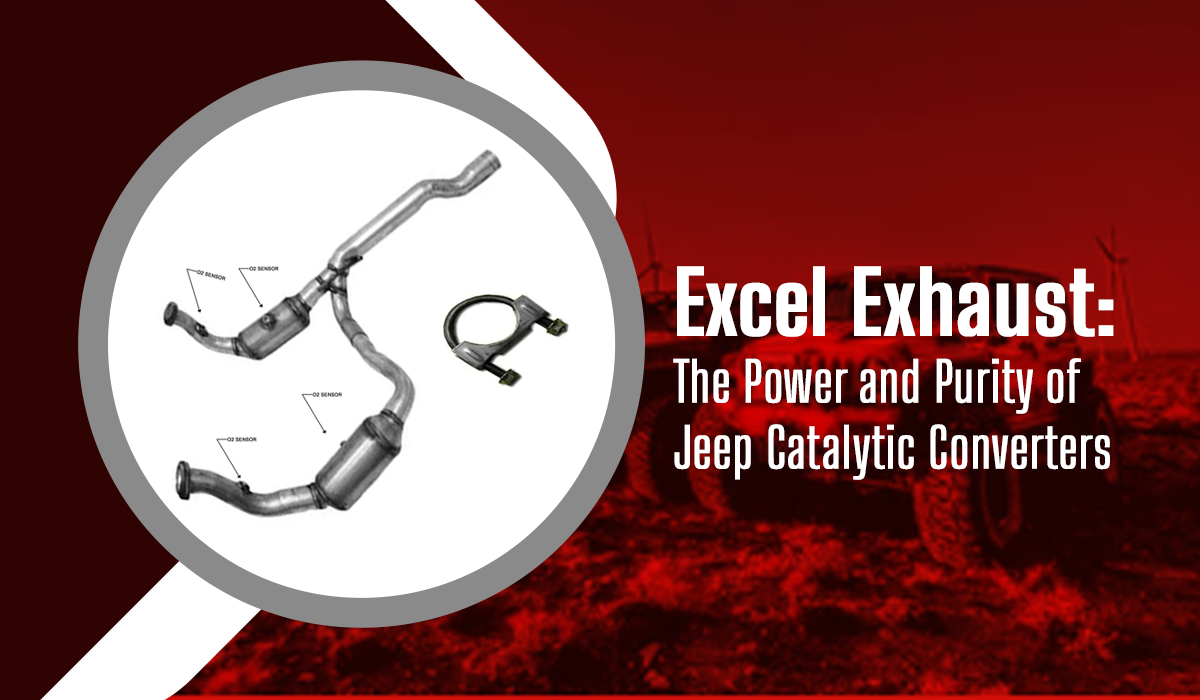
The catalytic converter is the heart of Jeep Exhaust Emissions and Catalytic Systems Explained. This component uses special metals to transform harmful exhaust gases into less harmful substances before they exit the tailpipe.
Inside the converter, chemical reactions reduce carbon monoxide into carbon dioxide, convert hydrocarbons into water vapor and carbon dioxide, and help control nitrogen oxide emissions. A damaged converter can create serious performance issues.
- ✦ Three-Way Catalytic Converter
Most gasoline-powered Jeeps use three-way converters that handle multiple types of pollutants at the same time.
- ✦ Catalyst Materials
Precious metals such as platinum, palladium, and rhodium help create emission-reducing chemical reactions.
- ✦ Converter Location
The catalytic converter is usually placed close to the engine to reach operating temperature quickly.
Common Catalytic Converter Problems
Catalytic converters can fail because of overheating, engine misfires, oil contamination, or fuel system problems. Many failures are caused by another engine issue that sends unburned fuel into the exhaust.
Replacing a converter without fixing the original cause may lead to another failure. A complete diagnosis is important before repair.
- ✦ Clogged Converter
A blocked converter can restrict exhaust flow and reduce engine power.
Oxygen Sensors and Their Connection to Jeep Emissions
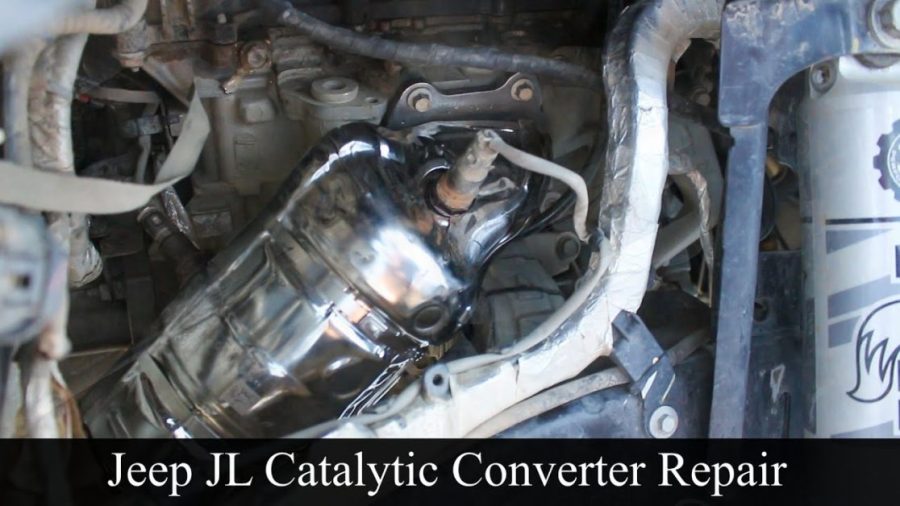
Oxygen sensors are small but important parts of Jeep Exhaust Emissions and Catalytic Systems Explained. They measure oxygen levels in exhaust gases and send data to the engine computer.
The engine control module uses this information to adjust fuel delivery. When oxygen sensors fail, a Jeep may run too rich or too lean, causing poor mileage and increased emissions.
- ✦ Upstream Oxygen Sensor
This sensor measures exhaust gases before the catalytic converter and helps control fuel mixture.
- ✦ Downstream Oxygen Sensor
This sensor monitors catalytic converter performance after exhaust treatment.
Signs of Oxygen Sensor Failure
Common signs include a check engine light, unstable idle, poor fuel economy, and failed emissions tests. Modern diagnostic tools can quickly identify sensor-related trouble codes.
Replacing a faulty sensor at the right time can protect the catalytic converter from unnecessary damage.
- ✦ Fuel Economy Changes
Incorrect sensor readings can cause the engine to use more fuel than needed.
Common Jeep Emission System Problems and Warning Signs
Jeep Exhaust Emissions and Catalytic Systems Explained includes knowing the symptoms of system failures. Many emission problems appear slowly, but early warning signs can prevent expensive repairs.
A check engine light does not always mean a catalytic converter problem. It may come from sensors, fuel issues, ignition problems, or exhaust leaks.

- ✦ Check Engine Light
Emission-related trouble codes often activate the warning light on the dashboard.
- ✦ Bad Exhaust Smell
A sulfur-like smell may indicate catalytic converter problems.
- ✦ Reduced Performance
Restricted exhaust flow can make the Jeep feel weak during acceleration.
Causes of Jeep Emission Failures
Several issues can damage emission components. Regular maintenance reduces the chance of expensive repairs.
Engine problems should always be repaired quickly because they can send excess fuel or contaminants into the exhaust system.
- ✦ Engine Misfires
Unburned fuel can overheat and damage the catalytic converter.
- ✦ Poor Maintenance
Old spark plugs and dirty filters can increase emission system stress.
Jeep Emission Maintenance Tips for Long-Term Reliability
Proper maintenance is the best way to protect Jeep Exhaust Emissions and Catalytic Systems Explained. A healthy engine creates cleaner exhaust and places less stress on emission components.
Jeep owners who drive in harsh conditions, tow regularly, or use off-road trails should inspect exhaust components more often. Mud, water, and physical damage can affect exhaust performance.

- ✦ Use Quality Fuel
Good fuel helps maintain cleaner combustion and reduces deposits.
- ✦ Fix Engine Problems Early
Address misfires, leaks, and warning lights before they damage emission parts.
- ✦ Inspect Exhaust Hardware
Check for rust, cracks, loose connections, and physical damage.
Emissions and Jeep Off-Road Use
Off-road Jeep use creates unique challenges for exhaust systems. Rocks, water crossings, and rough terrain can damage pipes and mounting points.
Many experienced Jeep owners inspect their exhaust system after serious trail use to catch problems early.
- ✦ Trail Inspection
Look for dents, cracks, and loose exhaust components after difficult drives.