The Complete Guide to Jeep Wrangler Suspension Sag Lean and Uneven Ride Height explains one of the most common issues Jeep owners face after years of driving, off-road use, or suspension upgrades. A Wrangler should sit evenly from side to side and front to rear. When one corner drops lower, the vehicle may handle poorly and wear parts faster.
From my experience studying Jeep suspension setups, many owners replace shocks first when they notice a low corner. In many cases, the real problem is a weak coil spring, added accessories, or incorrect lift installation. Finding the true cause saves money and keeps the Wrangler safe on highways and trails.

What Causes Jeep Wrangler Suspension Sag, Lean, and Uneven Ride Height?
The Complete Guide to Jeep Wrangler Suspension Sag Lean and Uneven Ride Height starts with understanding why the problem happens. A Wrangler uses coil springs to hold the vehicle weight. Over time, these springs can lose height and strength.
A Jeep may also sit uneven because of extra equipment. Common examples include steel bumpers, winches, roof racks, tire carriers, and heavy recovery gear. Even a small weight difference can change how the vehicle sits.

- ✦ Weak coil springs
Old or overloaded coil springs may compress more than normal and create a lower ride height.
- ✦ Uneven vehicle weight
Heavy parts installed on one side can make the Jeep lean toward that corner.
- ✦ Wrong suspension setup
Poor lift installation or mismatched parts can create uneven height and poor balance.
How Coil Springs Affect Wrangler Ride Height
Coil springs carry most of the Wrangler body weight. Shocks control movement, but they do not hold the Jeep at its normal height. This difference is important because many owners confuse shock problems with spring problems.
A damaged spring can cause permanent sag. A damaged shock usually creates bouncing, poor control, or fluid leaks instead of a low ride height.
How to Check Jeep Wrangler Uneven Ride Height Correctly
Before replacing parts, measure the Jeep. A visual check can be misleading because tire pressure, parking surface, and vehicle load can change how the Wrangler looks.
Park on flat ground and remove extra cargo. Measure from the same point on each side, such as the wheel center to the bottom edge of the fender. This gives a better comparison.
- ✦ Check tire pressure
Different tire pressures can make one side appear lower than the other.
- ✦ Measure all four corners
Front and rear measurements help identify whether the problem is isolated or widespread.
- ✦ Inspect suspension parts
Look for cracked springs, damaged isolators, loose bolts, and worn bushings.
Signs Your Jeep Has Suspension Sag
Common signs include a visible body lean, reduced ground clearance, uneven tire spacing inside wheel arches, and changes in handling. Some drivers notice the Jeep pulls slightly or feels different during turns.
A sagging Wrangler may also have less suspension travel. This matters during off-road driving because the suspension cannot move freely over rough terrain.
Common Jeep Wrangler Suspension Problems That Create Lean
The Complete Guide to Jeep Wrangler Suspension Sag Lean and Uneven Ride Height shows that several suspension parts can contribute to an uneven stance. A proper inspection should cover the entire system.
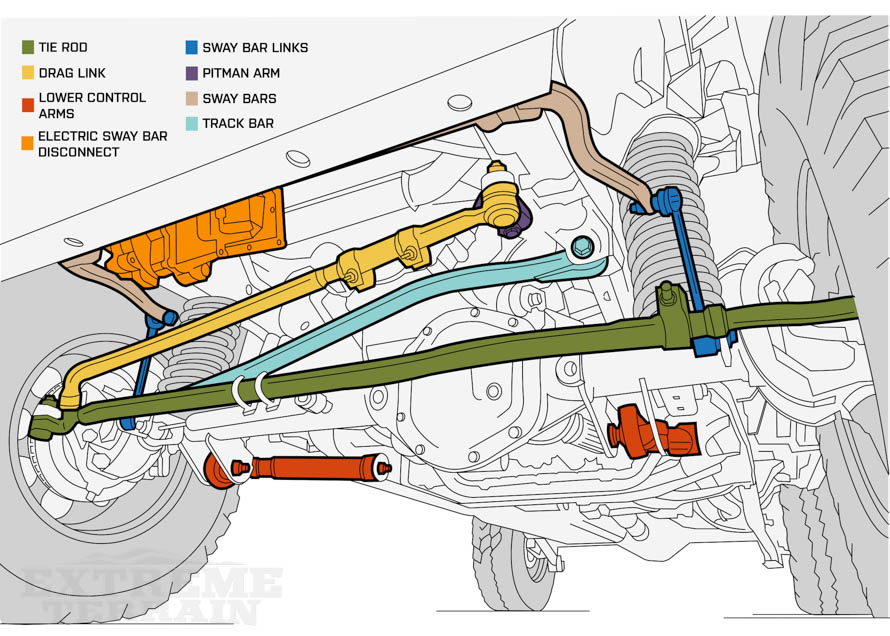
Wranglers are popular for customization, but modifications can create new problems when parts are not matched correctly. A heavy front bumper or oversized spare tire can change suspension balance.

- ✦ Spring isolator problems
Damaged rubber isolators can reduce spring height and create small but noticeable differences.
- ✦ Worn control arm bushings
Loose bushings can affect suspension position and vehicle stability.
- ✦ Incorrect lift components
Poorly matched lift springs or spacers can create uneven height.
How Added Weight Changes Jeep Wrangler Suspension Height
Many Wrangler owners add accessories for adventure use. These upgrades improve capability but also increase suspension load. The factory springs may not support the extra weight evenly.
A Jeep with a steel bumper, winch, and skid plates may need heavier-duty springs. Without the correct spring rate, the vehicle can develop front sag or rear squat.

- ✦ Front-end weight
Winches and steel bumpers often lower the front suspension.
- ✦ Rear cargo weight
Heavy spare tires and storage systems can lower the rear ride height.
Choosing Springs for Modified Wranglers
Spring selection should match the Jeep’s real use. A daily driver with light upgrades needs different springs than an off-road build carrying heavy equipment.
A proper spring choice improves ride quality, clearance, and suspension balance.
How to Fix Jeep Wrangler Suspension Sag and Lean
The correct repair depends on the cause. There is no single fix for every Wrangler suspension issue. A worn spring needs a different solution than an overloaded vehicle.
Many Jeep owners solve uneven ride height by replacing springs, correcting weight balance, or installing properly matched suspension components.

- ✦ Replace weak springs
New springs restore proper height when the original springs have lost strength.
- ✦ Use spring spacers carefully
Spacers can correct small height differences but should not hide major suspension problems.
- ✦ Balance vehicle upgrades
Choose parts that match the Jeep’s total weight and driving style.
Preventing Future Jeep Wrangler Ride Height Problems
Regular suspension checks help prevent small problems from becoming expensive repairs. Inspect springs, bushings, and mounting points during routine maintenance.
The Complete Guide to Jeep Wrangler Suspension Sag Lean and Uneven Ride Height also highlights the importance of checking changes after modifications. Any new accessory can affect suspension balance.

- ✦ Inspect after upgrades
Measure ride height after installing bumpers, tires, or recovery equipment.
- ✦ Rotate heavy equipment
Avoid keeping unnecessary weight concentrated on one side.
Frequently Asked Questions about Complete Guide to Jeep Wrangler Suspension Sag Lean and Uneven Ride Height

Jeepexplorerr
Contributor