The Complete Guide to Jeep Wrangler Tire Rubbing and Wheel-Well Clearance helps Jeep owners understand one of the most common issues after installing bigger tires or changing wheel setups. Many Wrangler owners want a tougher look and better off-road ability, but tire fitment must be planned carefully.
From years of reviewing Jeep builds and common owner problems, the biggest lesson is simple: tire size alone does not decide fitment. Wheel width, offset, suspension travel, steering angle, and driving conditions all affect clearance. A setup that works on pavement may still rub when the suspension flexes on a trail.
This Complete Guide to Jeep Wrangler Tire Rubbing and Wheel-Well Clearance explains the causes, warning signs, inspection steps, and proven fixes so you can build a reliable Jeep for daily driving and off-road use.
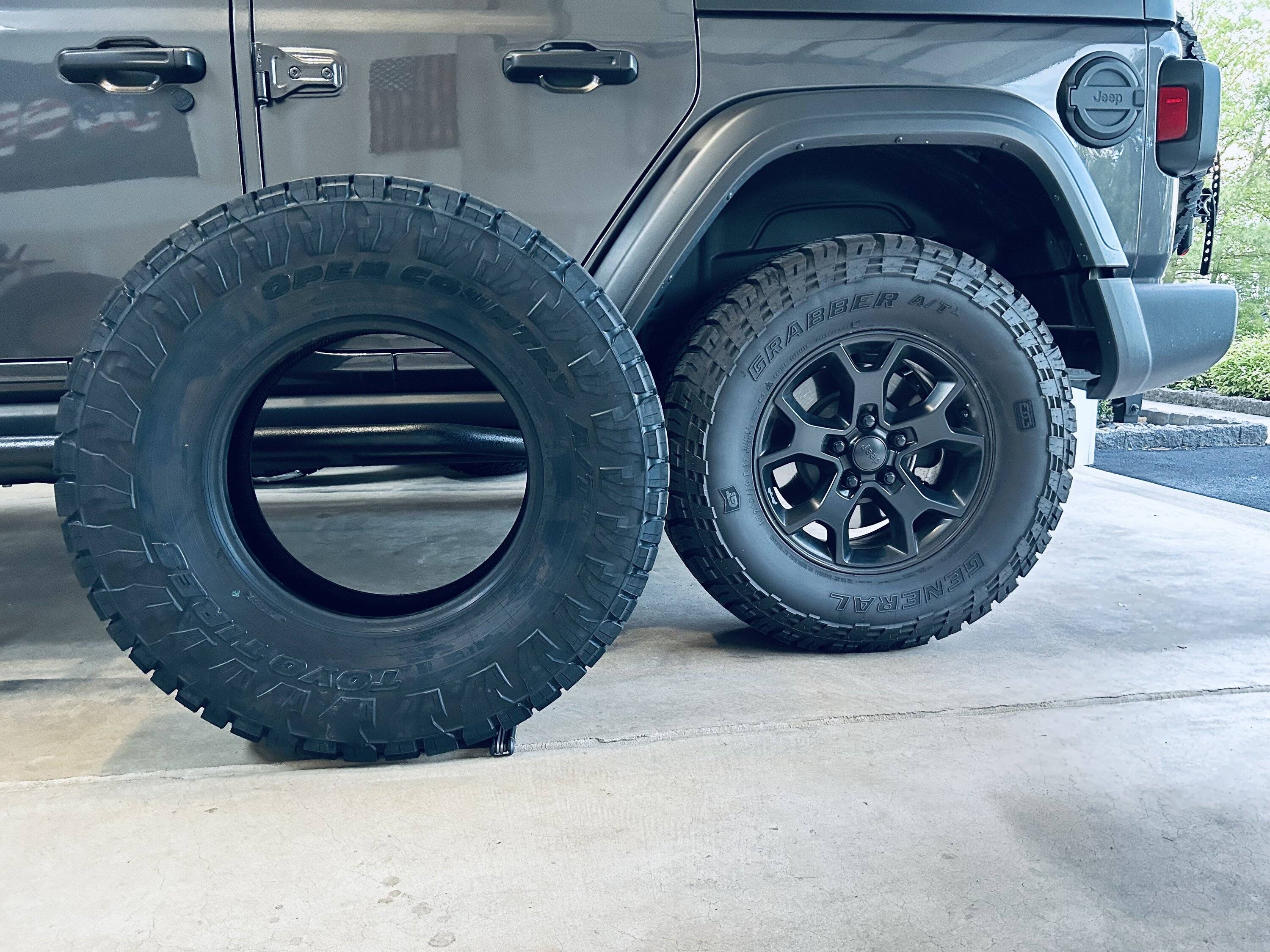
Understanding Jeep Wrangler Tire Rubbing and Wheel-Well Clearance
The Complete Guide to Jeep Wrangler Tire Rubbing and Wheel-Well Clearance starts with understanding what tire rubbing means. Tire rubbing occurs when the tire touches another vehicle component during normal driving, turning, braking, or suspension movement.
A Jeep Wrangler has strong off-road capability, but the factory wheel wells are designed around specific tire sizes. When owners install larger tires, the available space changes. The tire may contact the inner fender, sway bar, control arms, bumper edges, or plastic liners.
- ✦ Tire contact areas
Common rubbing points include front fender liners, rear wheel wells, suspension parts, and steering components.
- ✦ Why clearance matters
Correct clearance allows the suspension to move freely without damaging tires or vehicle parts.
How Wheel-Well Clearance Works
Wheel-well clearance is the space around the tire when the Jeep is sitting normally and when the suspension compresses. Off-road driving creates much more movement than normal street driving.
A tire that looks safe in a driveway may rub when one wheel moves upward during trail articulation.
Common Causes of Jeep Wrangler Tire Rubbing
Most Jeep Wrangler tire rubbing problems happen after modifications. Larger tires create more traction and ground clearance, but they also require more space.
The Complete Guide to Jeep Wrangler Tire Rubbing and Wheel-Well Clearance shows that many problems come from mismatched parts rather than a single incorrect component.

- ✦ Oversized tires
Installing tires that are too large for the current suspension setup can cause contact during turns and compression.
- ✦ Incorrect wheel offset
A wheel that sits too far inward or outward can create rubbing against suspension parts or fender areas.
- ✦ Limited suspension height
Stock suspension may not provide enough room for aggressive tire sizes.
- ✦ Poor alignment
Incorrect alignment can change tire movement and increase uneven contact.
How to Identify Jeep Wrangler Tire Rubbing Problems
Finding tire rubbing early prevents tire damage and expensive repairs. Many owners notice the problem through sounds before seeing physical damage.
A proper inspection should include both visual checks and real driving tests. Turn the steering wheel fully left and right while checking the tire position.

- ✦ Listen for noise
Scraping, rubbing, or grinding sounds often indicate tire contact.
- ✦ Check tire marks
Fresh rubber marks on liners or suspension parts show where contact occurs.
- ✦ Inspect after off-road use
Trail driving can reveal rubbing that does not happen during normal street driving.
Simple Home Clearance Test
Park the Jeep on flat ground and inspect the gap around each tire. Use a flashlight to check hidden areas behind liners and suspension components.
Compressing the suspension carefully can also reveal possible contact points before a real trail situation occurs.
Jeep Wrangler Tire Size and Wheel Fitment Considerations
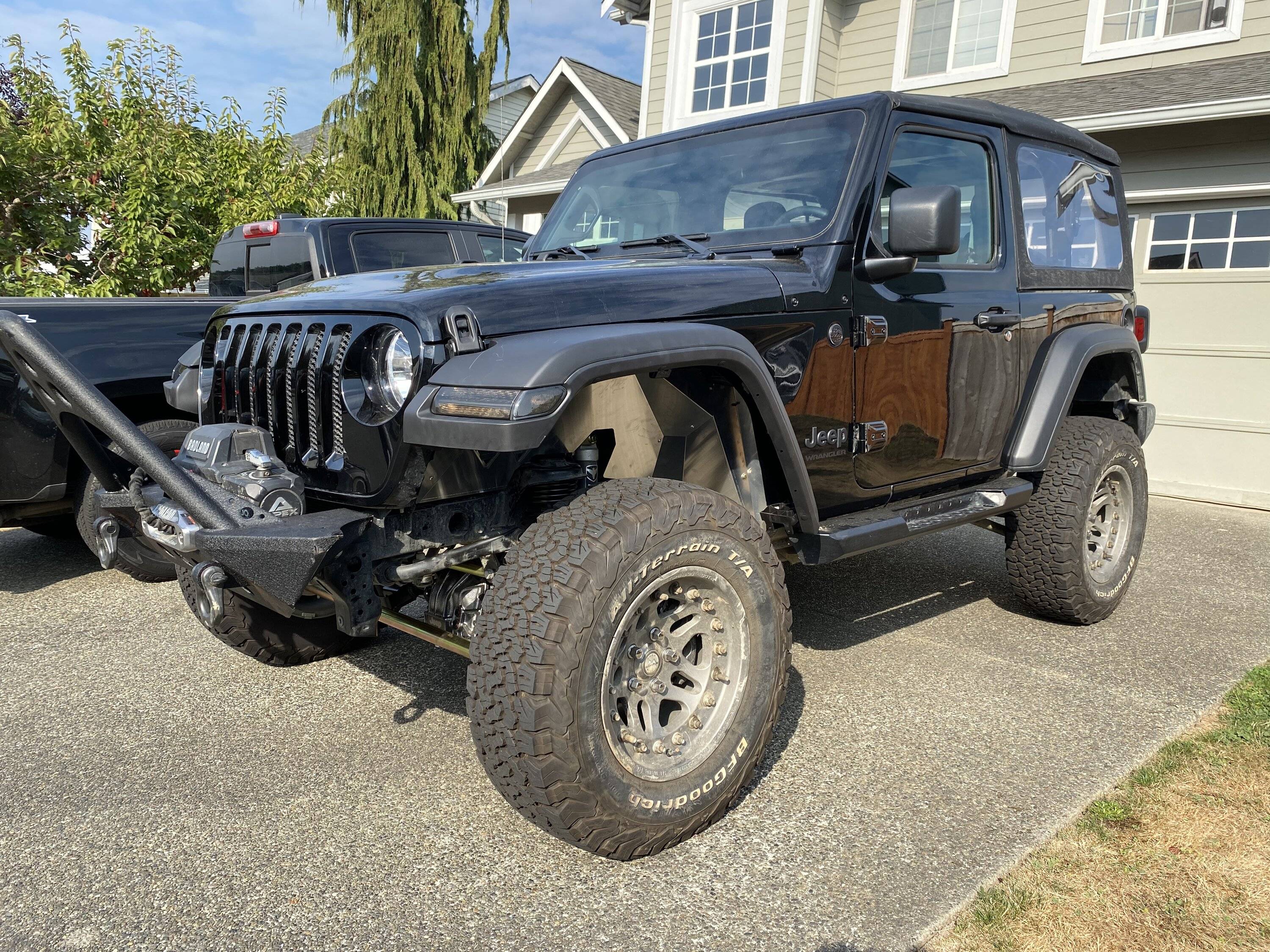
Choosing the correct tire size is one of the most important steps in avoiding rubbing. A 35-inch tire requires different planning than a factory tire because the diameter and width both increase.
The Complete Guide to Jeep Wrangler Tire Rubbing and Wheel-Well Clearance recommends looking at the entire setup instead of choosing tires by appearance alone.
- ✦ Measure before buying
Check tire width, diameter, wheel width, and offset before purchasing new tires.
- ✦ Consider driving style
Daily drivers and serious off-road Jeeps may need different clearance solutions.
Wheel Offset and Backspacing Explained
Wheel offset controls where the tire sits compared with the suspension and fender. Incorrect offset can create rubbing even when tire size seems acceptable.
A professional Jeep build considers tire size and wheel position together.
Best Ways to Fix Jeep Wrangler Tire Rubbing
Fixing tire rubbing depends on where the tire contacts and how the Jeep is used. Some solutions are simple adjustments, while others require suspension changes.
The right repair should maintain safety, steering control, and suspension performance.

- ✦ Install a lift kit
A quality lift kit creates additional space for larger tires and improves suspension travel.
- ✦ Use wheel spacers carefully
Spacers can improve clearance but must be high quality and installed correctly.
- ✦ Trim plastic liners
Small liner adjustments can solve minor rubbing issues without major modifications.
- ✦ Upgrade fenders
High-clearance fenders provide more room for larger tire setups.
Avoiding Temporary Fixes
Quick fixes may hide the sound but fail to solve the actual clearance problem. A rubbing tire can lose material and become unsafe over time.
Always repair the cause instead of only covering the symptom.
Maintaining Proper Clearance After Jeep Modifications
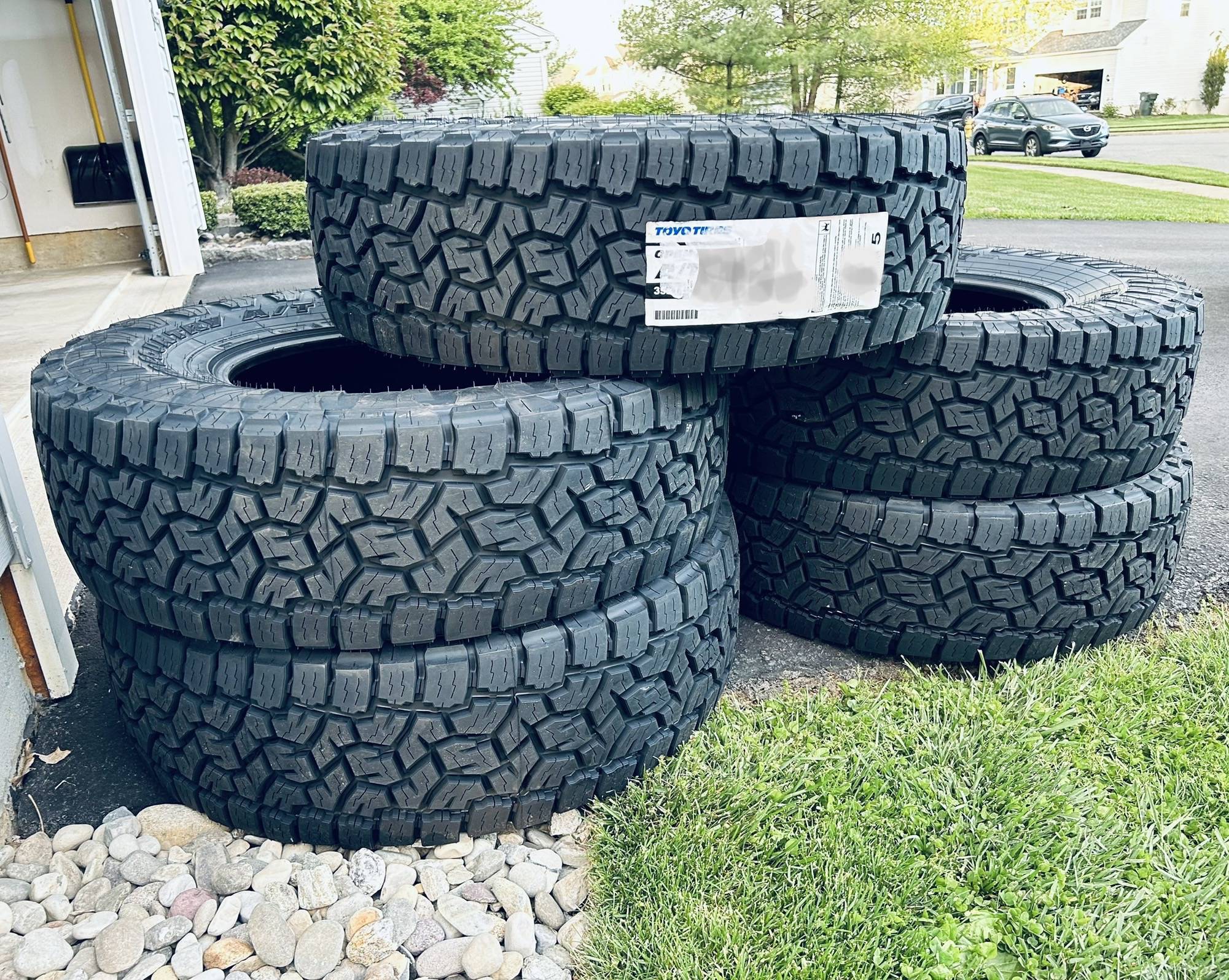
After changing tires, wheels, or suspension parts, regular inspections help keep the setup reliable. Jeep owners often forget that clearance changes as parts wear.
The Complete Guide to Jeep Wrangler Tire Rubbing and Wheel-Well Clearance emphasizes checking the Jeep after every major modification.
- ✦ Check suspension parts
Inspect shocks, bushings, and control arms for wear that may change wheel movement.
- ✦ Monitor tire wear
Uneven wear can reveal alignment or rubbing problems.
Frequently Asked Questions about Complete Guide to Jeep Wrangler Tire Rubbing and Wheel-Well Clearance

Jeepexplorerr
Contributor