The Complete Guide to Jeep Engine Temperature Sensors and Cooling Control explains how your Jeep measures engine heat and keeps temperatures within a safe range. Modern Jeep models use electronic sensors, engine computers, thermostats, and cooling fans that work together during city driving, highway trips, and off-road adventures.
From my experience studying vehicle diagnostics, many cooling complaints are not caused by a failed radiator alone. A small sensor problem can change how the engine computer manages fuel delivery, fan speed, and warning signals. Understanding this system helps Jeep owners make smarter repair decisions.

How Jeep Engine Temperature Sensors Work
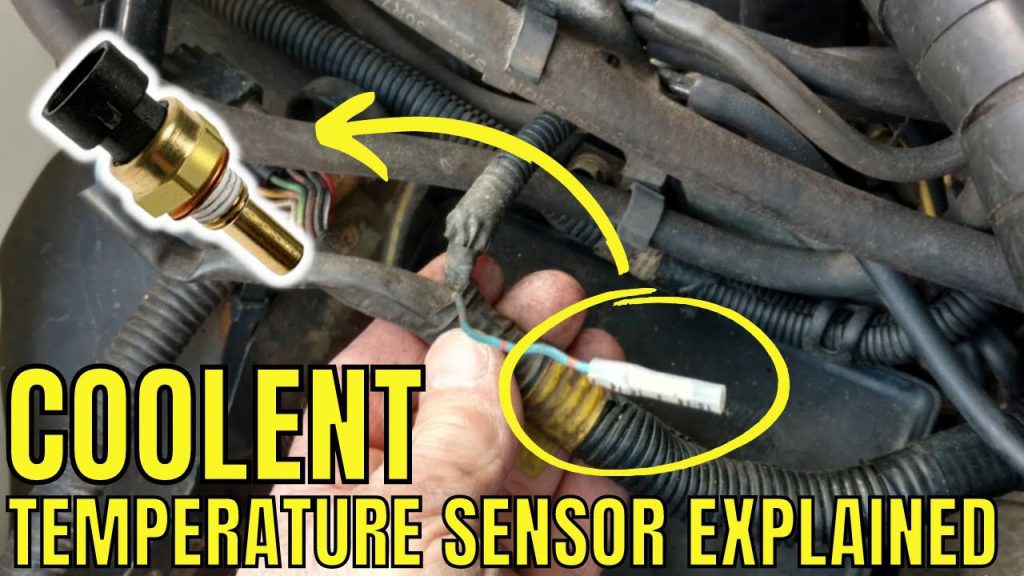
The engine coolant temperature sensor, often called the ECT sensor, measures coolant heat near the engine. It sends temperature data to the powertrain control module. The computer uses this information to adjust engine operation.
The Complete Guide to Jeep Engine Temperature Sensors and Cooling Control starts with understanding this signal. The sensor does not cool the engine by itself. Instead, it tells other systems when cooling action is needed.

- ✦ Temperature measurement
The sensor changes electrical resistance based on coolant temperature and sends a changing voltage signal.
- ✦ Computer decisions
The engine computer uses sensor data to manage fuel mixture, ignition timing, fan operation, and dashboard readings.
- ✦ Engine protection
Accurate temperature readings help prevent overheating and reduce the risk of engine damage.
Main Parts Connected to Temperature Control
A Jeep cooling system includes the temperature sensor, thermostat, radiator, coolant passages, water pump, and cooling fan. Each part has a different job, but they must work together.
If one part gives incorrect information or fails to move coolant properly, the entire system can lose balance.
- ✦ ECT sensor
Measures coolant temperature and reports changes to the engine computer.
- ✦ Thermostat
Controls coolant flow between the engine and radiator based on temperature.
Common Jeep Temperature Sensor Problems and Symptoms
A failing temperature sensor can create confusing symptoms because the engine computer receives incorrect information. Some Jeeps may run too rich, while others may struggle during cold starts.
In the Complete Guide to Jeep Engine Temperature Sensors and Cooling Control, diagnosis begins by matching symptoms with test results instead of replacing parts randomly.

- ✦ Incorrect temperature readings
The dashboard gauge or scan tool may show temperatures that do not match actual engine conditions.
- ✦ Cooling fan problems
A bad signal can prevent proper fan operation or cause fans to run constantly.
- ✦ Poor engine performance
Wrong temperature data can affect fuel mixture, idle quality, and starting performance.
Warning Signs Jeep Owners Should Watch
Common signs include overheating warnings, slow warm-up, unstable idle, poor mileage, and check engine lights. These symptoms can also come from other cooling system faults.
A proper diagnosis checks the sensor, wiring, coolant level, thermostat operation, and computer readings together.
- ✦ Cold engine reading hot
A sensor may incorrectly report high temperatures before the engine warms up.
How Jeep Cooling Control Systems Maintain Engine Temperature
Jeep cooling control systems balance heat removal and engine efficiency. The system must keep the engine warm enough for good performance while preventing excessive heat buildup.
The engine computer combines temperature sensor data with other inputs to decide when cooling fans should activate and how the engine should operate.

- ✦ Cooling fan control
The computer activates fans when temperature readings reach programmed levels.
- ✦ Thermostat management
The thermostat controls coolant movement to maintain proper operating temperature.
- ✦ Safety response
The system can trigger warnings when temperatures move outside safe limits.
Why Cooling Control Matters in the USA
Jeep owners in hot states, mountain areas, and heavy traffic zones place extra demand on cooling systems. Towing, off-road driving, and long highway trips increase engine heat.
A healthy temperature control system protects reliability during daily commuting and outdoor activities.
- ✦ Towing conditions
Extra engine load creates more heat and requires proper cooling response.
Testing a Jeep Engine Temperature Sensor
Testing a temperature sensor requires more than checking for a warning light. Technicians compare scan tool data, resistance values, wiring condition, and actual engine temperature.
The Complete Guide to Jeep Engine Temperature Sensors and Cooling Control recommends testing before replacing parts because many cooling issues share similar symptoms.
- ✦ Scan tool check
A diagnostic scanner can show the temperature value reported to the engine computer.
- ✦ Resistance test
A multimeter can measure sensor resistance changes at different temperatures.
- ✦ Wiring inspection
Damaged connectors or wires can create false sensor readings.
Professional Diagnostic Approach
A professional approach starts with basic checks. Coolant level, leaks, electrical connections, and stored trouble codes provide important clues.
Replacing a sensor without testing can waste money if the real issue comes from a thermostat, fan relay, or coolant restriction.
- ✦ Use accurate data
Compare sensor readings with real engine temperature conditions.
Replacing and Maintaining Jeep Temperature Sensors
Replacing a Jeep coolant temperature sensor varies by engine design. Some sensors are easy to access, while others require removing nearby components.
Good maintenance also includes checking coolant quality, inspecting hoses, and following factory service recommendations.

- ✦ Use correct parts
Choose a sensor that matches the Jeep engine and model year specifications.
- ✦ Protect electrical connections
Clean connectors and check for corrosion before installation.
- ✦ Check the complete system
A new sensor cannot fix cooling problems caused by leaks or blocked coolant flow.
Lessons From Real Repair Situations
Many Jeep cooling repairs become easier when the entire system is viewed as one unit. A sensor, thermostat, fan, and radiator problem can create similar symptoms.
The best repairs come from careful testing instead of guessing. This approach saves time and prevents repeat failures.
- ✦ Preventive checks
Regular inspections help find small cooling problems before they become major repairs.
Frequently Asked Questions about Complete Guide to Jeep Engine Temperature Sensors and Cooling Control

Jeepexplorerr
Contributor