The Complete Guide to Jeep Alignment Symptoms and Uneven Tire Wear helps Jeep owners understand why their tires wear unevenly and how to fix the problem early. In the USA, many Jeep drivers use their vehicles for daily travel, towing, camping, and off-road adventures. Each use can affect suspension angles and tire life.
From my experience reviewing Jeep maintenance issues, tire wear often gives the first warning before a larger suspension problem appears. A simple alignment check can reveal incorrect toe, camber, or caster settings before they damage expensive tires.
 display: block; margin: 0 auto; border-radius: 12px; box-shadow: 0 8px 25px rgba(0, 0, 0, 0.12);”>
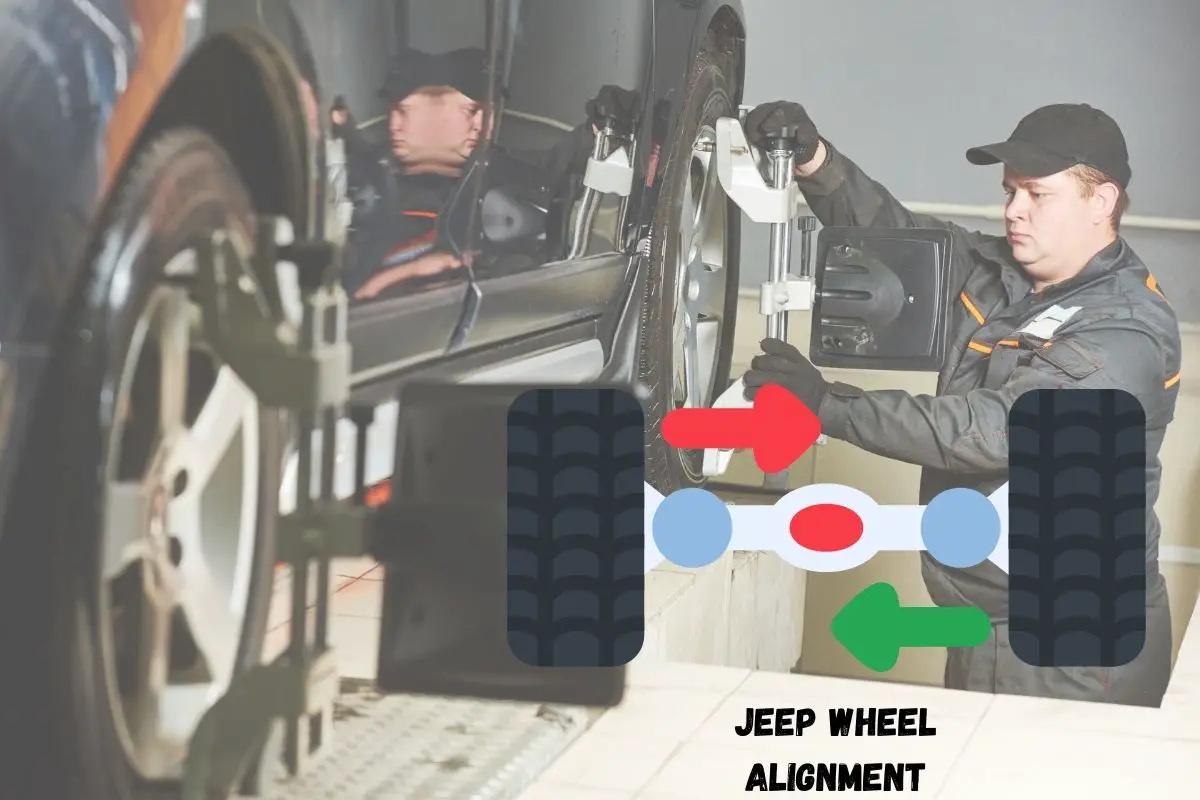
Understanding Jeep Wheel Alignment and Why It Matters
Wheel alignment controls how your Jeep wheels sit on the road. It adjusts the direction and angle of each wheel so the tires can move smoothly and wear evenly. A correct alignment improves steering response, braking stability, and tire life.
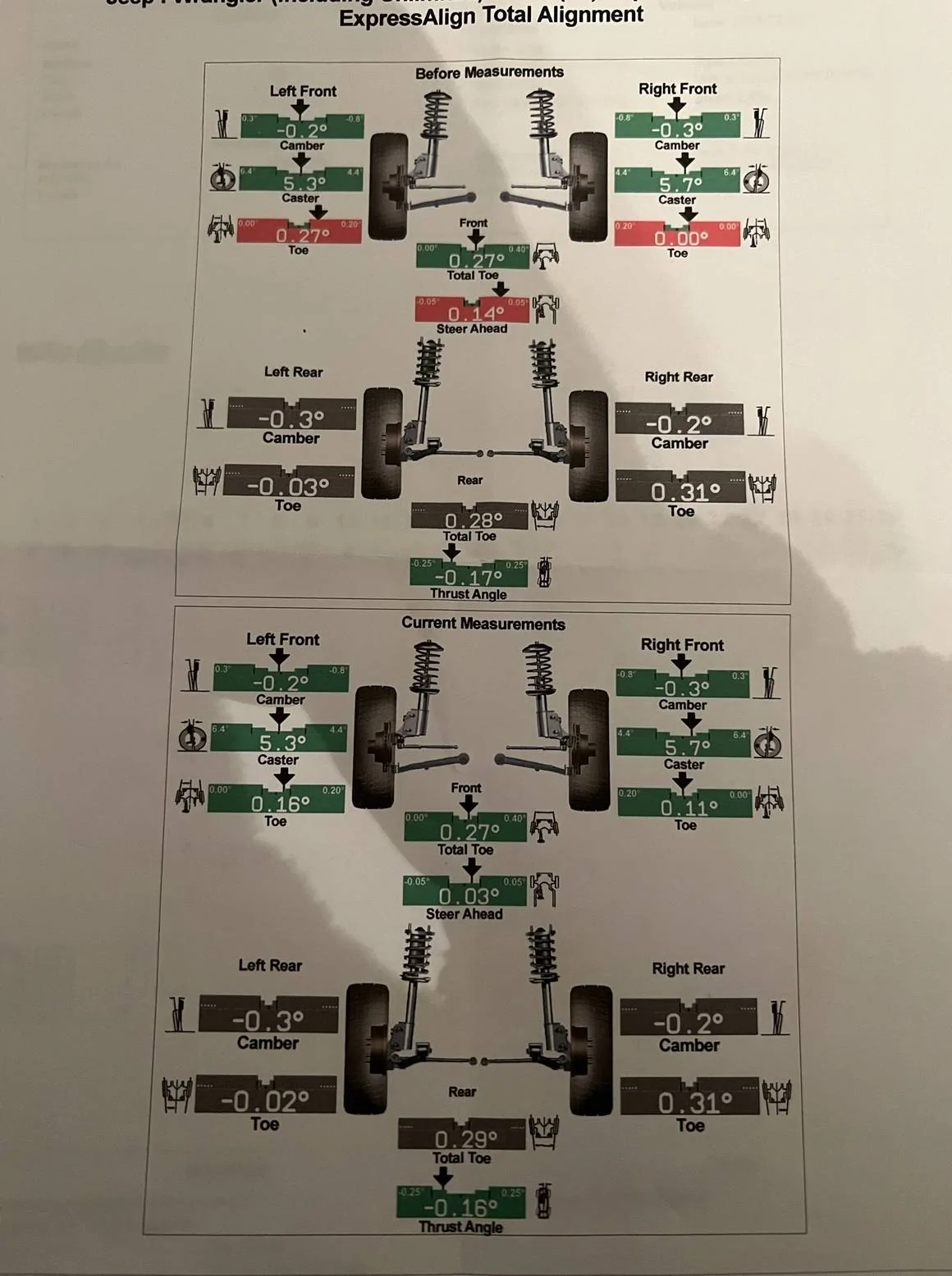
The Complete Guide to Jeep Alignment Symptoms and Uneven Tire Wear starts with understanding three main alignment angles. These include toe, camber, and caster. Each angle affects how your Jeep feels while driving.

- ✦ Toe Angle
Toe controls whether tires point slightly inward or outward. Incorrect toe settings often create fast tread wear.
- ✦ Camber Angle
Camber controls wheel tilt from the top view. Too much tilt can wear the inside or outside edge of a tire.
- ✦ Caster Angle
Caster affects steering stability and the Jeep’s ability to return to center after turning.
Why Jeeps Need Special Alignment Attention
Jeeps often face conditions that many passenger vehicles never experience. Large tires, lift kits, trail driving, and heavy accessories can change suspension geometry.
A Jeep that travels over rocks, mud, or uneven roads may need alignment checks more often than a vehicle used only for highway driving.
- ✦ Modified Suspension
Lift kits and suspension changes can alter factory alignment angles.
Common Jeep Alignment Symptoms Drivers Should Notice
Many Jeep alignment problems appear through small changes in driving behavior. Catching these signs early can prevent expensive tire replacement and suspension repairs.
The Complete Guide to Jeep Alignment Symptoms and Uneven Tire Wear shows that drivers should pay attention to steering feel, tire condition, and road behavior.

- ✦ Vehicle Pulling
A Jeep that drifts left or right on a flat road may have alignment problems.
- ✦ Off-Center Steering Wheel
A steering wheel that stays tilted while driving straight can indicate alignment issues.
- ✦ Steering Vibration
Vibration can come from alignment problems, tire balance issues, or worn suspension parts.
Changes Jeep Owners Often Feel While Driving
A misaligned Jeep may feel unstable at highway speeds. Drivers may need constant steering correction to keep the vehicle straight.
Many owners first notice the problem after installing larger tires or returning from an off-road trip.
- ✦ Uneven Steering Effort
The Jeep may require more effort to keep a straight path.
Uneven Tire Wear Patterns and What They Mean
Your Jeep tires can tell a story about alignment problems. Different wear patterns point toward different causes, which helps technicians find the right repair.
Inspecting tire tread regularly is one of the easiest ways to follow the Complete Guide to Jeep Alignment Symptoms and Uneven Tire Wear.

- ✦ Inside Edge Wear
Inside shoulder wear may happen because of excessive negative camber or suspension problems.
- ✦ Outside Edge Wear
Outside edge wear can appear when alignment angles or tire pressure are incorrect.
- ✦ Cupping Wear
Cupping creates uneven dips across the tread and may involve worn shocks or suspension parts.
How to Inspect Jeep Tire Wear at Home
Run your hand across the tire surface and look for smooth areas, raised sections, or uneven blocks. Check all four tires because problems do not always affect every wheel equally.
A monthly tire inspection can help Jeep owners find issues before they become unsafe.
- ✦ Check Tread Depth
Measure tread depth across different areas of each tire.
Main Causes of Jeep Alignment Problems
Several factors can change Jeep alignment settings. Some causes come from normal driving, while others happen after modifications or off-road use.
Finding the root cause matters because an alignment adjustment alone may not solve the issue if damaged parts remain.
- ✦ Suspension Wear
Worn ball joints, bushings, or tie rods can prevent proper alignment.
- ✦ Lift Kits and Larger Tires
Modified Jeeps often need alignment corrections after suspension changes.
- ✦ Road Impacts
Potholes and hard trail impacts can shift alignment settings.
Why Off-Road Jeeps Need More Checks
Trail driving places extra stress on steering and suspension parts. Even a strong Jeep can develop alignment changes after repeated impacts.
Drivers who use their Jeep for off-road trips should inspect tires and steering components regularly.
- ✦ Trail Inspection
Look for loose parts, tire damage, and steering changes after difficult trails.
How Professional Jeep Alignment Service Works
A professional alignment service starts with an inspection of tires, steering parts, and suspension components. Technicians check measurements using alignment equipment.
The Complete Guide to Jeep Alignment Symptoms and Uneven Tire Wear recommends fixing worn parts before adjusting alignment settings.

- ✦ Initial Inspection
Technicians check tires, suspension, and steering components for damage.
- ✦ Alignment Measurement
Sensors measure wheel angles compared with factory specifications.
- ✦ Final Adjustment
Technicians adjust available alignment angles to improve tire contact.
When to Get a Jeep Alignment
Many owners schedule alignment after replacing tires, installing suspension parts, or noticing handling changes. Regular checks can protect tire investment.
There is no single interval for every Jeep because driving style and modifications change wear rates.
- ✦ After Suspension Work
Always check alignment after major suspension changes.
Preventing Uneven Tire Wear on Your Jeep
Preventive care keeps Jeep tires performing better. Simple habits can reduce wear and help you find problems early.
The Complete Guide to Jeep Alignment Symptoms and Uneven Tire Wear focuses on maintenance because prevention costs less than early tire replacement.
- ✦ Rotate Tires
Regular tire rotation helps distribute wear across all tires.
- ✦ Maintain Tire Pressure
Correct tire pressure improves tread life and handling.
- ✦ Inspect Suspension
Checking steering and suspension parts helps prevent alignment failures.
Daily Driving Tips for Jeep Owners
Avoid ignoring small steering changes or new tire noises. Early attention often prevents bigger repair bills.
Keep records of tire rotations, alignments, and modifications so you can track changes over time.
- ✦ Keep Maintenance Records
Service history helps identify repeated tire or alignment problems.
Frequently Asked Questions about Complete Guide to Jeep Alignment Symptoms and Uneven Tire Wear

Jeepexplorerr
Contributor