A Jeep Wrangler usually takes between about 5.0 and 8.5 quarts of engine oil, depending on the engine.
I’ve changed oil on Wranglers of different years and engines, so I’ll walk you through exact capacity ranges, oil type, a clear how-to, and real tips from hands-on experience. This guide covers model differences, oil-change steps, common mistakes, and quick checks so you can confidently answer how much oil does a Jeep Wrangler take and keep your Jeep running right.
Engine oil capacities by engine and model year
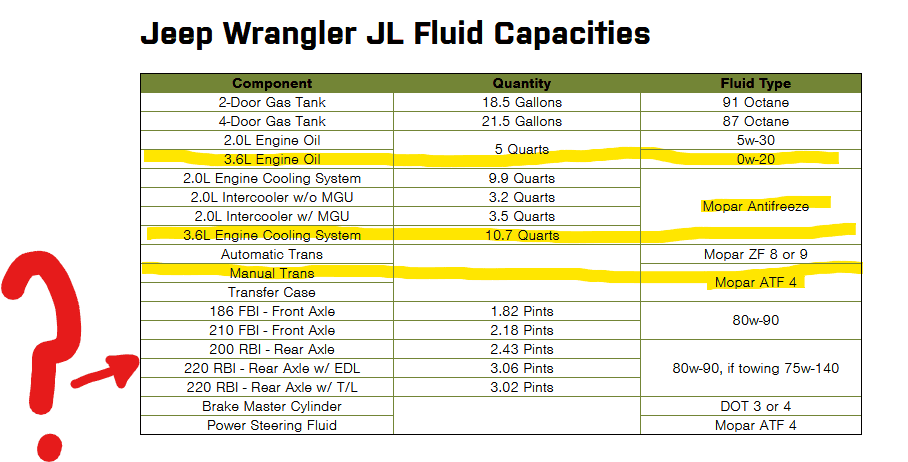
Knowing how much oil does a Jeep Wrangler take starts with identifying the engine. Below are common engines and their typical oil capacities. Capacities are approximate and usually include the oil filter unless stated.
- 3.6L Pentastar V6 (most 2012–present Wranglers)
- Capacity: about 5.7 to 6.0 quarts with filter.
- 2.0L Turbo 4-cylinder (JL and newer)
- Capacity: about 5.0 to 5.7 quarts with filter.
- 3.0L EcoDiesel V6 (available 2020–2022)
- Capacity: about 7.4 to 8.5 quarts with filter.
- 3.8L V6 (older 2007–2011 models)
- Capacity: about 5.0 to 5.7 quarts with filter.
- 4.0L Inline-6 (classic TJ/early models)
- Capacity: about 4.5 to 5.0 quarts with filter.
- 2.5L or older 4-cylinder engines
- Capacity: about 4.0 to 4.5 quarts with filter.
Always check the vehicle’s owner’s manual or the oil fill cap decal for the exact number for your year and engine. If you’re unsure, add oil slowly and recheck the dipstick to avoid overfilling. This answers the core question of how much oil does a Jeep Wrangler take by tying capacity to engine type.

Recommended oil type and viscosity
Choosing oil matters as much as knowing how much oil does a Jeep Wrangler take. Use oil that matches Chrysler/Jeep specs for your engine and climate.
- Common recommended viscosities
- 5W-20 or 0W-20 for some modern 4-cylinders and Pentastar in cold climates.
- 5W-30 or 10W-30 for some older engines and warmer climates.
- Diesel engines often need oil meeting diesel-specific specs and different viscosities.
- Look for
- API service ratings and OEM approvals on the bottle.
- Synthetic oil for better heat resistance and longer drain intervals in many Pentastar and turbo engines.
- Why it matters
- Correct viscosity ensures proper oil pressure, flow, and engine protection. Wrong oil can harm fuel economy or cause wear.
Match oil choice to the engine and local weather. If your owner’s manual allows multiple grades, pick the one that best fits your climate and driving style.
How to check oil level and add oil safely
A clean dipstick and careful checks answer how much oil does a Jeep Wrangler take in real time.
- Park on level ground and let the engine cool for a few minutes.
- Pull the dipstick, wipe it clean, reinsert, and remove again to read.
- If low, add small amounts (half-quart) and recheck to avoid overfill.
- Mark the full and add points on the dipstick so you know when to stop.
- Overfilling can cause foaming, leaks, or damage. Underfilling causes poor lubrication.
This simple routine keeps your oil level right and prevents common problems that come from guessing how much oil does a Jeep Wrangler take.
Step-by-step oil change for a Jeep Wrangler
If you want to do the job yourself, here’s a clear, safe routine based on hands-on experience.
- Gather tools and parts
- Correct oil amount and grade for your engine.
- New oil filter, oil filter wrench, drain pan, funnel, and gloves.
- Warm the engine briefly
- Warm oil drains faster. Run a short drive then park on level ground.
- Drain old oil
- Remove drain plug and let oil drain completely into pan.
- Replace the oil filter
- Lubricate the new filter gasket with fresh oil and hand-tighten per instructions.
- Reinstall drain plug and refill
- Tighten drain plug to spec. Add about 80–90% of total capacity first.
- Check level and top off
- Use dipstick to reach full mark. Run the engine for a minute, recheck, and top if needed.
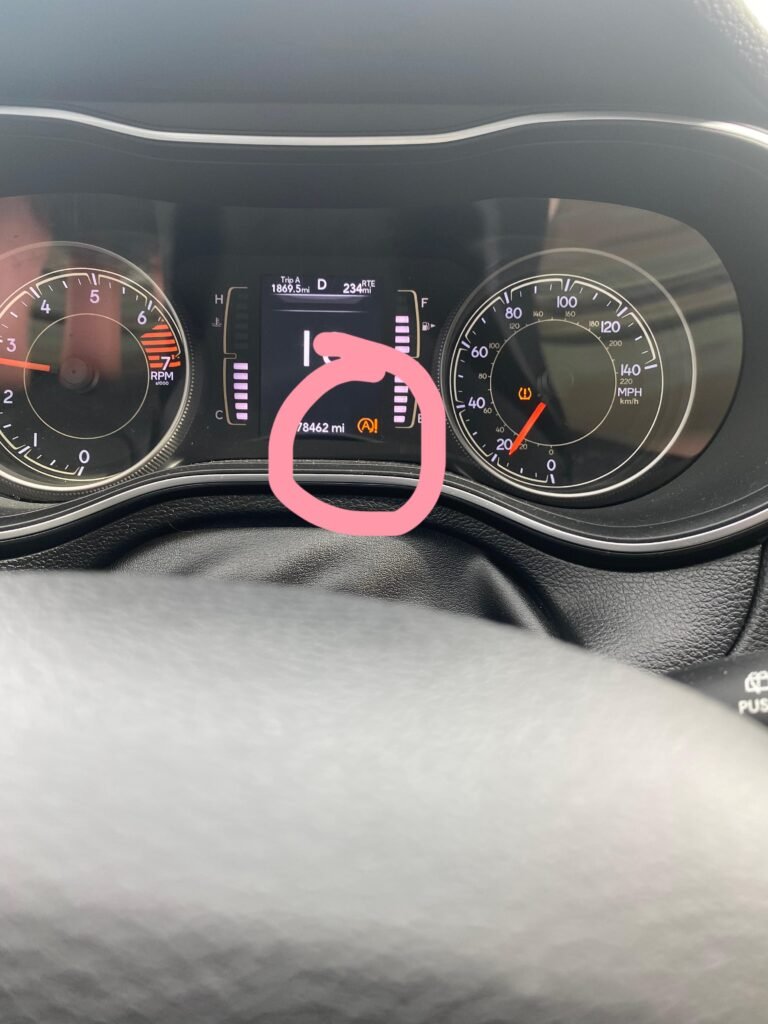
- Reset maintenance light if applicable and dispose of old oil properly.
Doing this taught me to always add oil slowly and to always use the dipstick rather than relying solely on volume numbers. Even if you know how much oil does a Jeep Wrangler take, measurement by dipstick is the safety net.

Signs you need an oil change or have the wrong oil level
Knowing symptoms saves damage and answers “how much oil does a Jeep Wrangler take?” in practice.
- Dark, gritty oil on the dipstick indicates change needed.
- Engine noise or knocking can mean low oil or breakdown of oil.
- Excessive smoke or oil smell may point to leaks or overfill.
- Warning lights for oil pressure are urgent: stop driving and check oil.
If you see any of these signs, check the oil level immediately and correct it.
Common mistakes and practical tips from experience
I’ve learned a few things from roadside oil checks and shop visits. These tips help you avoid common traps when dealing with how much oil does a Jeep Wrangler take.
- Don’t rely on “quarts used” alone. Use the dipstick.
- Replace the oil filter every time you change oil.
- Use a funnel to avoid spills in the engine bay.
- Keep a maintenance log with date, mileage, oil type, and amount added.
- If you tow or do off-road work, change oil more often.
These tips come from hands-on repairs and keepers of reliable Wranglers.
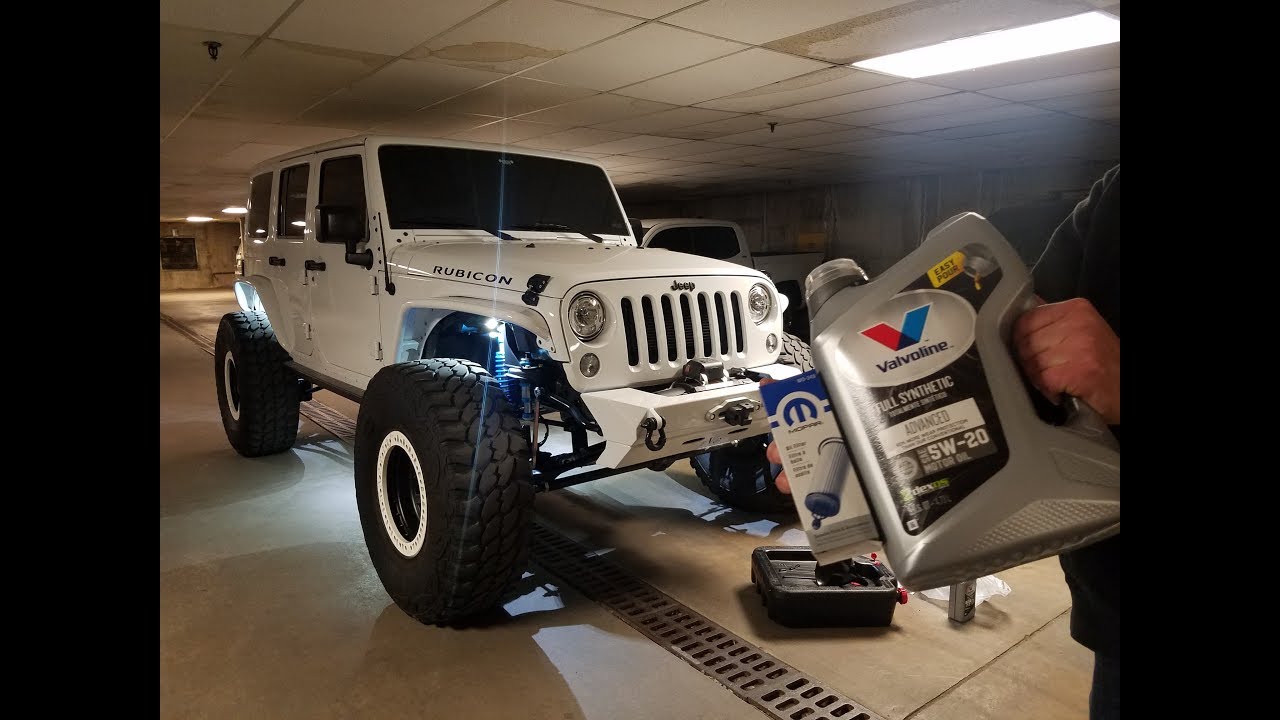
How often to change oil and cost considerations
Frequency and costs relate to engine type and how you drive. That affects the practical answer to how much oil does a Jeep Wrangler take over time.
- Typical intervals
- 5,000 to 7,500 miles for conventional oil.
- 7,500 to 10,000 miles for full synthetic, if manufacturer allows.
- More frequent changes if you tow or do lots of short trips.
- Cost factors
- DIY cost: oil and filter usually $30–$80 depending on oil type.
- Shop service: $50–$150 depending on location, oil type, and service fees.
Keep receipts and note oil type so you can track long-term oil use and plan service.
People also ask (PAA) style quick answers
- How much oil does a Jeep Wrangler take for a 3.6L?
- Most 3.6L Pentastar V6 Wranglers take about 5.7 to 6.0 quarts with the filter.
- How much oil does a Jeep Wrangler take for a diesel?
- EcoDiesel Wranglers generally take significantly more oil, often 7.4 to 8.5 quarts with the filter.
- Can I overfill my Wrangler with oil?
- Yes. Overfilling can cause foaming and engine damage, so add oil slowly and recheck the dipstick.
- What oil grade should I use for my Wrangler?
- Use the grade in your owner’s manual. Modern Wranglers often use 0W-20 or 5W-20/5W-30; diesels use diesel-spec oils.
- Is synthetic oil okay for a Wrangler?
- Yes. Many modern Wrangler engines benefit from full synthetic for better protection and longer intervals.
Frequently Asked Questions of how much oil does a jeep wrangler take
How much oil does a Jeep Wrangler take for a 2.0L turbo?
A 2.0L turbo Wrangler typically takes around 5.0 to 5.7 quarts with the filter. Always check your owner's manual for the exact figure.
How much oil does a Jeep Wrangler take for a 4.0L inline-6?
Older 4.0L inline-6 engines usually take about 4.5 to 5.0 quarts with filter. Use the dipstick to confirm the final level.
How much oil does a Jeep Wrangler take for the EcoDiesel?
The EcoDiesel V6 commonly needs roughly 7.4 to 8.5 quarts with filter. Diesel engines often need more oil than gas engines.
How much oil does a Jeep Wrangler take when changing the filter only?
Adding just a filter-top-up will vary, but expect to add about 0.5 to 1.0 quart to reach full depending on how low the level is. Check the dipstick after each small addition.
How much oil does a Jeep Wrangler take if it's low on oil by one quart?
If your Wrangler is low by one quart, add one quart and recheck the dipstick after a minute. Do not assume one quart always equals one mark on the dipstick—levels vary by engine.
Conclusion
Now you know how much oil does a Jeep Wrangler take for common engines, which oil to use, and how to check and change oil safely. Use your owner’s manual as the final authority, rely on the dipstick, and follow the step-by-step routine to avoid mistakes. Take action: check your oil today, record the type and amount you use, and schedule regular service to keep your Wrangler healthy. If you found this helpful, leave a comment with your Wrangler year and engine so others can learn from your experience.