The complete Guide to Jeep Recovery Gear Storage Inspection and Maintenance starts with one simple idea: recovery equipment only helps when it works. Many Jeep owners carefully choose recovery straps, shackles, boards, and tools but forget that storage and care matter just as much.
After years of trail use, one lesson becomes clear. Mud, water, heat, and vibration can slowly damage gear that looks fine at first glance. A good storage system and inspection habit protect your investment and reduce surprises when you are far from pavement.
Why Recovery Gear Storage Matters for Jeep Owners
The Complete Guide to Jeep Recovery Gear Storage Inspection and Maintenance begins with smart storage. Recovery equipment often stays unused for months, then must perform under stress during a difficult trail situation.
Loose gear can become damaged by weather, dirt, and constant movement inside your Jeep. A clean and organized storage setup also helps you find the correct tool quickly when time matters.
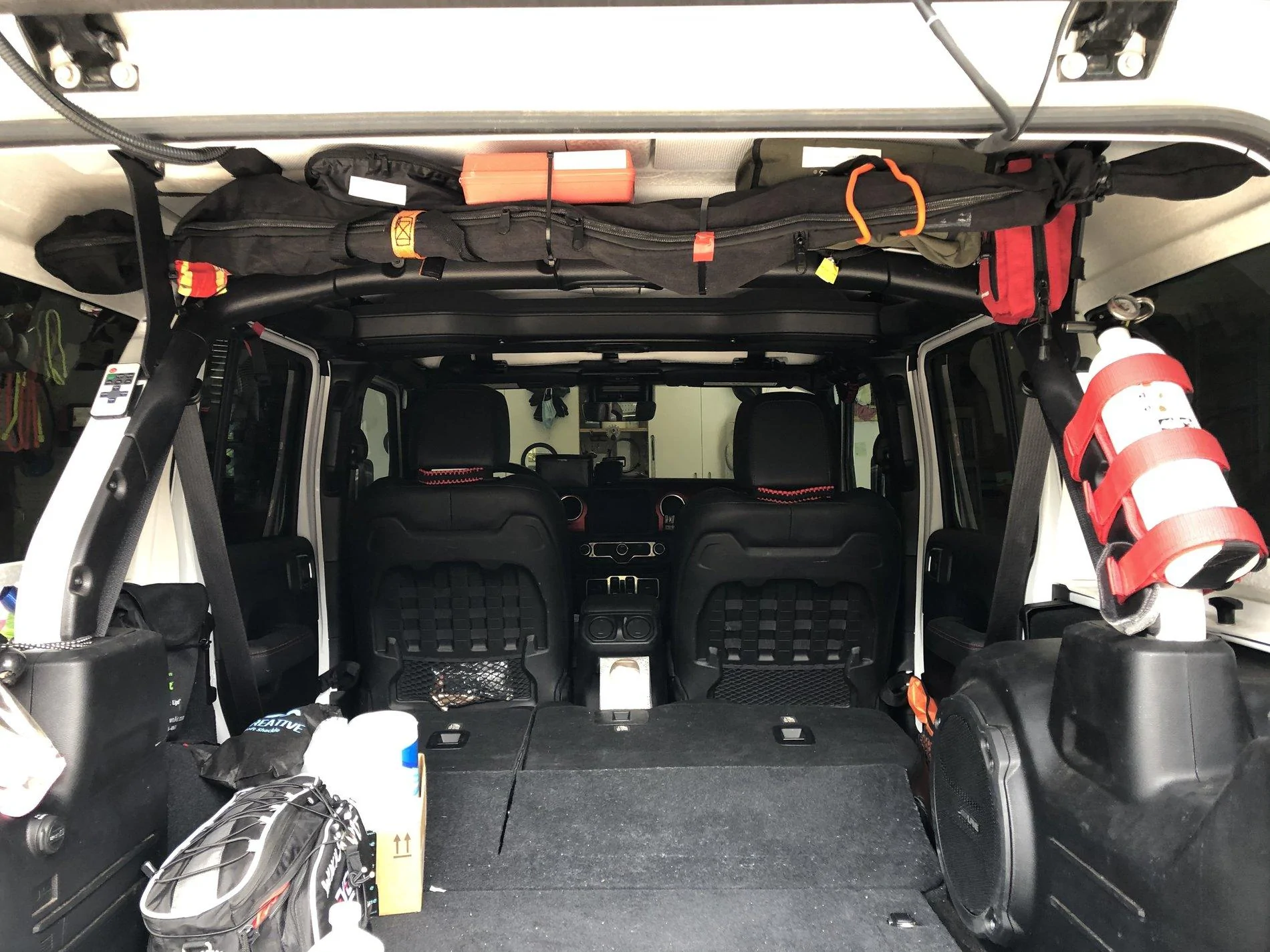
- ✦ Protects expensive equipment
Good storage reduces exposure to moisture, sunlight, mud, and sharp objects that can shorten gear life.
- ✦ Improves trail readiness
Organized recovery gear lets you locate straps, shackles, and tools without searching through a crowded cargo area.
Common Recovery Gear Storage Problems
Many Jeep owners store recovery equipment in open cargo areas without protection. This can lead to wet straps, rusty hardware, and damaged bags.
Another common issue is storing gear after a muddy recovery without cleaning it first. Dirt trapped in fabric and metal parts can create long-term wear.
- ✦ Wet equipment storage
Damp recovery straps and ropes can develop odor, mildew, and reduced strength over time.
- ✦ Poor organization
A messy storage area can delay recovery work and increase frustration on the trail.
Choosing the Right Jeep Recovery Gear Storage Location
The best storage location depends on your Jeep model, travel style, and the amount of gear you carry. Daily drivers may need compact storage, while expedition Jeeps often use larger cases or mounted systems.
A good storage area should protect equipment while keeping access simple. Recovery gear should never be buried under heavy camping supplies or personal items.

- ✦ Cargo storage boxes
Weather-resistant boxes help protect straps, gloves, and recovery accessories from dust and rain.
- ✦ Mounted storage solutions
Interior panels, rear compartments, and exterior mounts can create dedicated recovery gear spaces.
- ✦ Recovery bags
Heavy-duty bags keep smaller items together and make quick equipment checks easier.
Balancing Access and Protection
The safest storage location is one that protects gear but allows quick access. During a recovery, spending several minutes searching for equipment wastes valuable time.
I recommend grouping recovery tools by purpose. Keep straps and soft gear together, hardware together, and safety items like gloves nearby.
- ✦ Group similar equipment
Separate soft recovery gear, metal hardware, and emergency supplies for faster access.
How to Inspect Jeep Recovery Gear Before Every Trail Trip
The Complete Guide to Jeep Recovery Gear Storage Inspection and Maintenance requires regular checks before leaving home. A quick inspection can reveal problems before they become safety risks.
Before each trip, inspect the equipment you expect to use. Pay close attention to items that handle heavy loads, including recovery straps, winch accessories, and shackles.

- ✦ Check recovery straps
Look for cuts, fraying, melted sections, discoloration, or damaged stitching before use.
- ✦ Inspect shackles and hardware
Check for cracks, deep scratches, rust, bent parts, or damaged threads.
- ✦ Review winch equipment
Inspect winch ropes, hooks, fairleads, and protective covers for wear.
Signs Recovery Gear Needs Replacement
Recovery equipment should be replaced when damage affects strength or reliability. Cosmetic dirt is normal, but structural damage is not.
Do not wait for equipment failure during a recovery. Replacing worn gear is much cheaper than dealing with a failed recovery situation.
- ✦ Visible damage
Deep cuts, broken stitching, cracks, and severe corrosion are warning signs.
Cleaning and Maintaining Jeep Recovery Equipment
The Complete Guide to Jeep Recovery Gear Storage Inspection and Maintenance includes proper cleaning after every dirty trail. Mud, sand, and salt can slowly damage equipment if left untreated.
Cleaning recovery gear does not require complex tools. Fresh water, mild soap, and proper drying are usually enough for most soft recovery items.

- ✦ Wash soft gear
Rinse straps and ropes with clean water to remove dirt particles that can weaken fibers.
- ✦ Dry completely
Allow gear to air dry fully before storage to prevent mildew and unpleasant odors.
- ✦ Protect metal parts
Clean and inspect metal hardware to prevent corrosion and thread damage.
Post Trail Recovery Checklist
After every recovery, take time to clean and inspect equipment before placing it back in storage. This habit keeps your Jeep ready for the next trip.
Many experienced off-road drivers perform this check immediately after returning home because memories of equipment condition are still fresh.
- ✦ Remove dirt
Clean mud, sand, and debris from every recovery item.
- ✦ Record damaged items
Mark equipment that needs repair or replacement before the next adventure.
Building a Jeep Recovery Gear Maintenance Schedule
A simple schedule makes recovery gear care easier. You do not need to inspect every item every day, but regular checks prevent neglected equipment problems.
The Complete Guide to Jeep Recovery Gear Storage Inspection and Maintenance works best when combined with a routine based on trail frequency and weather exposure.
- ✦ Before each trip
Inspect essential recovery tools before heading into remote areas.
- ✦ After difficult recoveries
Clean, dry, and inspect equipment after heavy use.
- ✦ Seasonal checks
Review all stored equipment before major off-road seasons.
Keeping a Recovery Gear Inventory
An inventory list helps Jeep owners know what equipment is available and what needs attention. This is especially useful for families and groups who share vehicles.
A simple checklist stored on your phone can make seasonal inspections faster and more complete.
- ✦ Track replacement dates
Note when important equipment was purchased or replaced.
Frequently Asked Questions about Complete Guide to Jeep Recovery Gear Storage Inspection and Maintenance

Jeepexplorerr
Contributor