The Complete Guide to Jeep Transmission Maintenance Fluid Service and Inspection helps Jeep owners understand how to protect one of the most important parts of their vehicle. Whether you drive a Wrangler on trails, a Grand Cherokee for daily trips, or a Gladiator for work, transmission care affects comfort, reliability, and performance.
From my experience working around vehicle maintenance, many transmission problems start with small signs. A low fluid level, dirty fluid, or a small leak can slowly damage internal parts. Regular checks are often easier and less costly than major repairs later.
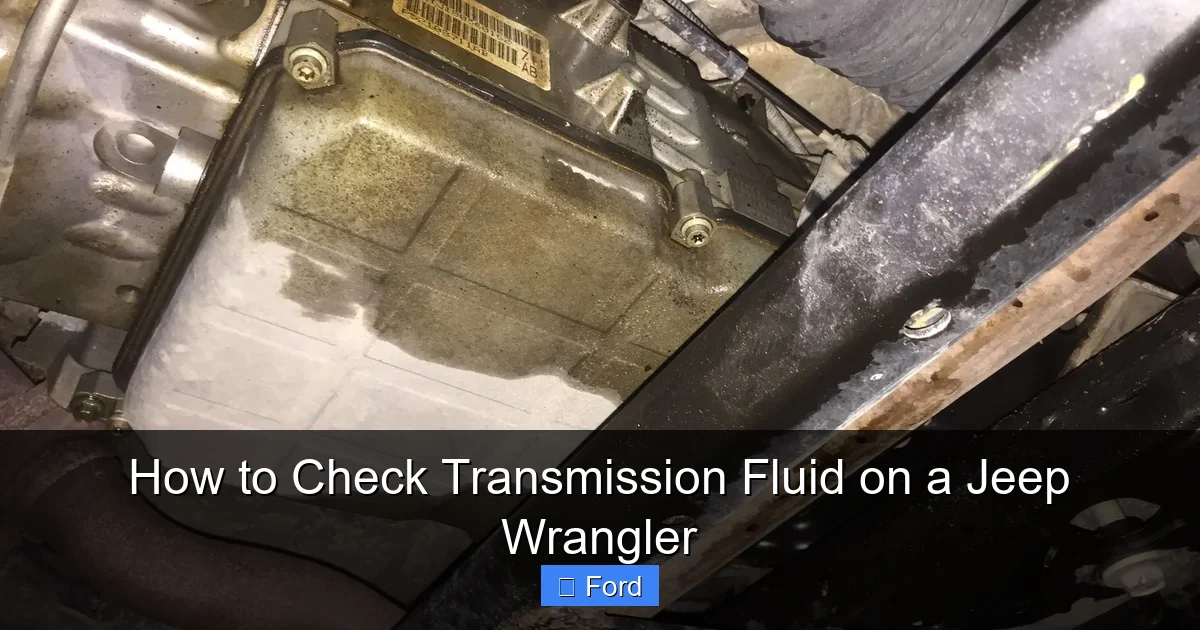
Understanding Jeep Transmission Maintenance Basics
The Complete Guide to Jeep Transmission Maintenance Fluid Service and Inspection starts with understanding how the transmission works. The transmission transfers engine power to the wheels and changes gears based on speed, load, and driving conditions.
A Jeep transmission works hard during towing, off-road driving, and daily traffic. Heat, dirt, and heavy loads can affect fluid quality and internal parts over time.
- ✦ Transmission fluid purpose
Transmission fluid reduces friction, controls heat, cleans internal parts, and helps smooth gear movement.
- ✦ Regular inspection value
Routine inspections help find leaks, worn parts, and fluid problems before they create major damage.
Why Jeep Owners Should Follow Maintenance Plans
Jeep vehicles often face conditions that create extra transmission stress. Mud, steep climbs, towing, and extreme temperatures can increase heat inside the transmission.
Following a maintenance schedule keeps fluid protection strong and helps maintain smooth shifting during different driving conditions.
- ✦ Better shifting performance
Clean fluid helps the transmission engage gears smoothly without harsh movement.
Checking Jeep Transmission Fluid Level and Condition
A key part of the Complete Guide to Jeep Transmission Maintenance Fluid Service and Inspection is learning how to check fluid correctly. Some Jeep models have a dipstick, while others require a service procedure through a fill plug.
Fluid inspection should include level, color, smell, and signs of contamination. Healthy transmission fluid usually has a clean appearance and does not smell burnt.

- ✦ Check fluid level
Follow the correct procedure for your Jeep model because some transmissions require specific temperatures during inspection.
- ✦ Inspect fluid condition
Dark fluid, metal particles, or a burnt smell can indicate the need for service.
Common Signs of Transmission Fluid Problems
Low or damaged fluid can cause delayed shifts, slipping gears, unusual noises, and increased heat. These symptoms should not be ignored because small issues can grow quickly.
A simple fluid inspection can provide useful information about the health of the transmission system.
- ✦ Warning signs
Look for leaks, burning smells, rough shifting, and unusual transmission behavior.
Jeep Transmission Fluid Service Intervals and Best Practices
The correct service interval depends on the Jeep model, transmission type, mileage, and driving conditions. Owners who tow, off-road, or drive in extreme heat may need more frequent service.
The Complete Guide to Jeep Transmission Maintenance Fluid Service and Inspection recommends checking the owner’s manual for exact service requirements. Factory recommendations are designed around each transmission design.

- ✦ Follow manufacturer guidance
Use the recommended fluid type and service schedule listed for your specific Jeep.
- ✦ Consider driving conditions
Heavy use may require additional inspections and earlier fluid service.
Automatic and Manual Transmission Differences
Automatic transmissions use fluid for hydraulic control and lubrication. Manual transmissions use gear oil that protects gears and bearings.
Using the wrong fluid can reduce performance and may damage internal components.
- ✦ Correct fluid matters
Always choose fluid specifications designed for your Jeep transmission.
How to Inspect a Jeep Transmission for Problems
A complete transmission inspection looks beyond fluid level. A technician checks leaks, mounts, electrical connections, shifting behavior, and unusual sounds.
The Complete Guide to Jeep Transmission Maintenance Fluid Service and Inspection includes inspection steps because early detection can prevent expensive repairs.

- ✦ Leak inspection
Transmission leaks may appear around seals, lines, pans, or connection points.
- ✦ Driving evaluation
Testing shifting behavior can reveal slipping, hesitation, or rough engagement.
Common Jeep Transmission Issues Found During Inspection
Many Jeep transmission concerns involve fluid leaks, overheating, worn components, or electronic control problems.
Finding these problems early allows owners to choose repairs before complete transmission failure occurs.
- ✦ Overheating concerns
High temperatures can break down fluid and increase wear on internal parts.
Transmission Fluid Changes and Service Procedures
A proper fluid change removes old fluid and replaces it with the correct new fluid. Some services also include filter replacement depending on the transmission design.
A careful service process is important because incorrect fluid levels or wrong fluid types can create new problems.

- ✦ Use quality fluids
High-quality fluids that meet Jeep specifications support proper operation.
- ✦ Inspect during service
A fluid change is a good time to check for leaks and abnormal wear.
DIY Service Versus Professional Service
Some Jeep owners perform basic fluid checks and simple maintenance at home. However, many modern transmissions require special tools and procedures.
Professional service can help when inspection reveals complex problems or when the transmission requires specific temperature-based procedures.
- ✦ Home maintenance
Basic checks can help owners monitor transmission health.
Frequently Asked Questions about Complete Guide to Jeep Transmission Maintenance Fluid Service and Inspection

Jeepexplorerr
Contributor