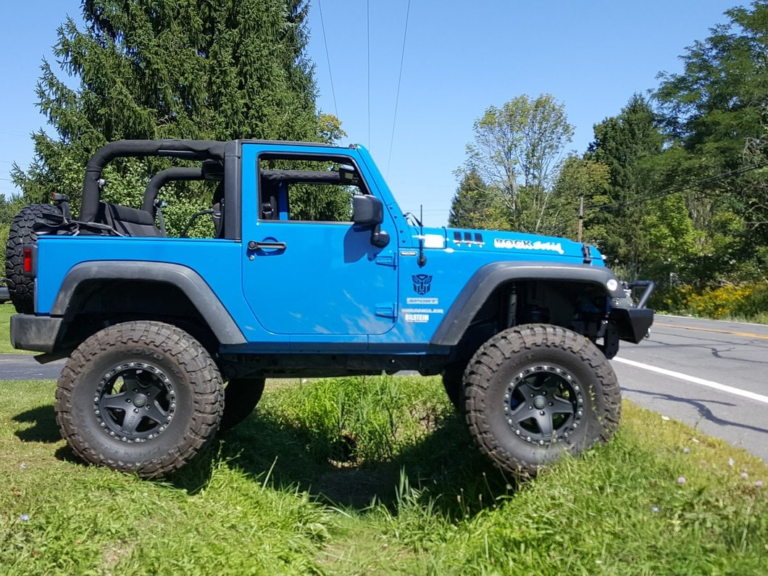
Jeep Fuel Systems and Fuel delivery Technologies Explained starts with understanding one simple idea: every Jeep engine needs a clean, controlled fuel supply. From classic Jeep models with basic fuel delivery setups to modern Wranglers with advanced electronic systems, fuel technology has changed greatly over the years.
In my experience studying Jeep repair systems, many performance problems blamed on engines are actually caused by weak fuel pressure, dirty injectors, failing sensors, or restricted filters. Knowing how the fuel system works helps Jeep owners diagnose problems before expensive repairs are needed.

How Jeep Fuel Systems Work
Jeep Fuel Systems and Fuel Delivery Technologies Explained begins with the fuel path. Fuel starts inside the tank, moves through the pump, passes through filters and lines, and reaches the engine through injectors.
Modern Jeep vehicles use computer-controlled fuel systems. The engine control module reads sensors and adjusts fuel delivery based on speed, temperature, throttle position, and driving conditions.

- ✦ Fuel tank
Stores gasoline or diesel fuel and protects the fuel supply from contamination.
- ✦ Fuel pump
Creates pressure that moves fuel toward the engine.
- ✦ Fuel injectors
Spray controlled fuel amounts into the engine.
Jeep Fuel Injection Technologies Across Generations
Older Jeep models used simpler fuel delivery methods, while newer models use advanced electronic fuel injection. This change improved starting, fuel economy, and emissions control.
Electronic fuel injection allows the engine computer to adjust fuel flow in real time. This technology is used across many Jeep platforms, including Wrangler, Grand Cherokee, Cherokee, and Gladiator models.

- ✦ Throttle body injection
An early electronic system that replaced carburetors in some vehicles.
- ✦ Multi-port injection
Uses separate injectors for each cylinder for better control.
- ✦ Direct injection
Delivers fuel directly into the combustion chamber for efficiency.
Why Fuel Injection Matters
Precise fuel injection improves engine response and reduces wasted fuel. It also helps Jeep engines meet modern emissions standards.
Key Components of Jeep Fuel Delivery Systems
A Jeep fuel system depends on several connected parts. A failure in one component can affect engine power, fuel economy, and reliability.
Understanding these parts makes Jeep Fuel Systems and Fuel Delivery Technologies Explained easier to apply during maintenance or troubleshooting.

- ✦ Fuel pressure regulator
Maintains correct fuel pressure for injector operation.
- ✦ Fuel filter
Removes dirt and particles before fuel reaches sensitive parts.
- ✦ Fuel sensors
Provide data for computer-controlled fuel adjustments.
Jeep EVAP Systems and Emission Control
The evaporative emission control system prevents fuel vapors from escaping into the atmosphere. It stores vapors and sends them back into the engine for burning.
A damaged EVAP valve, leak, or sensor can trigger warning lights and create fuel odor issues.

- ✦ Charcoal canister
Stores fuel vapors until they can be safely burned.
- ✦ Purge valve
Controls when vapors enter the engine.
Common Jeep Fuel System Problems
Many Jeep fuel problems develop slowly. Symptoms may include hard starting, hesitation, poor acceleration, rough idle, or reduced fuel economy.
Finding the root cause early can prevent damage to injectors, pumps, and other engine parts.

- ✦ Weak fuel pump
Can cause low fuel pressure and engine performance problems.
- ✦ Dirty injectors
May create uneven fuel delivery and rough running.
- ✦ Fuel contamination
Water or debris in fuel can damage system components.