Most Jeeps clear the check engine light by fixing the fault and erasing the code with a scanner.
I’ve spent years diagnosing and resetting lights on Jeeps of many years and models. In this guide I’ll show clear, safe steps for how to reset jeep check engine light, how to tell when a reset is appropriate, what tools to use, and how to avoid common mistakes. Read on for step-by-step instructions, practical tips, and real-world examples so you can handle this like a pro.
How the check engine light works and why it matters
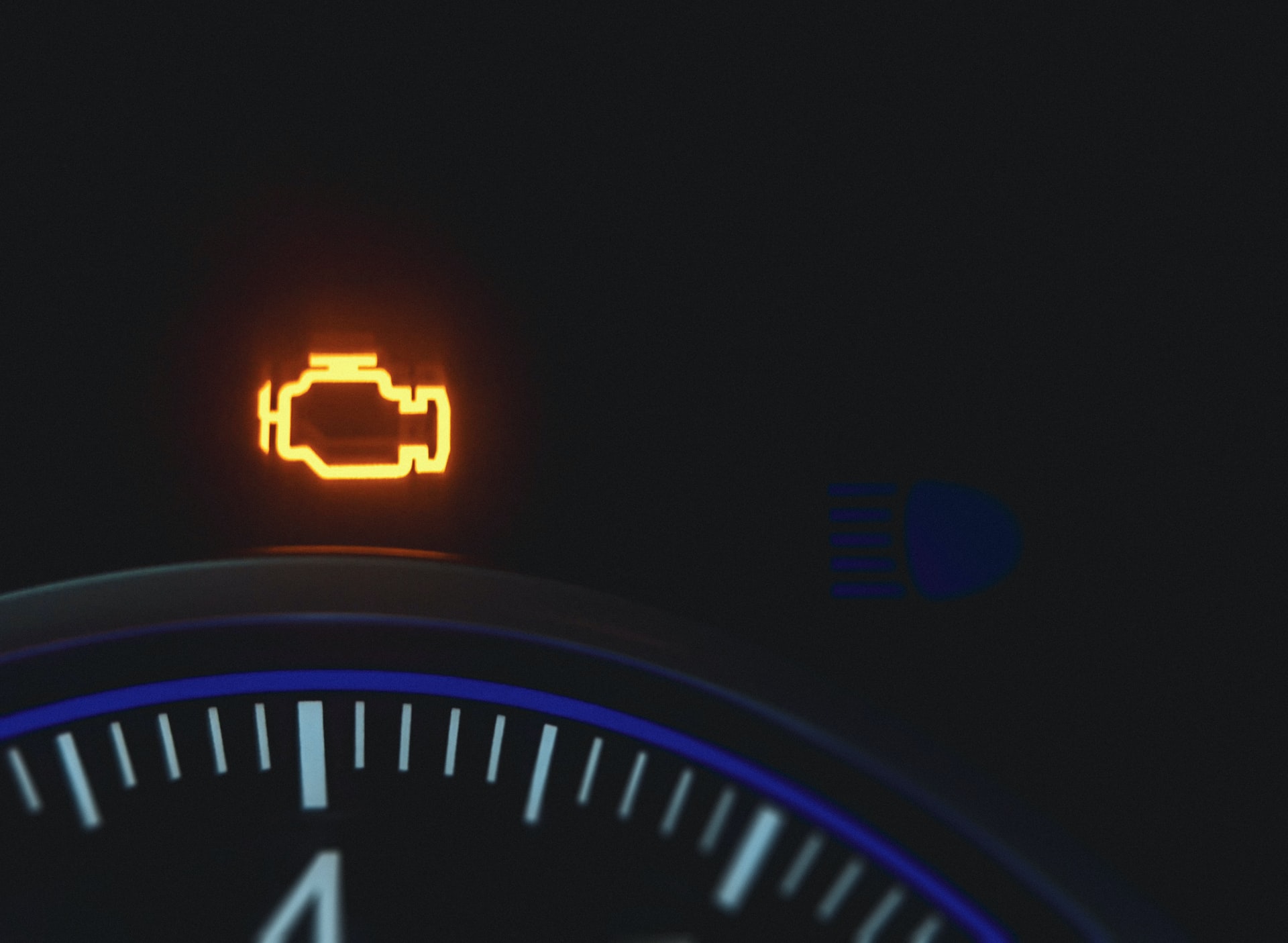
The check engine light tells you the vehicle’s computer detected a problem. It can mean anything from a loose gas cap to a bad oxygen sensor. Knowing how to reset jeep check engine light starts with knowing why it lit up.
Modern Jeeps use an OBD-II system. The system stores one or more fault codes. Clearing the light without fixing the cause may hide a real problem. Always read and record codes first. This avoids repeat trips to the shop and keeps safety in front.

Common causes for a Jeep check engine light
Here are frequent triggers that lead owners to learn how to reset jeep check engine light:
- Loose or damaged gas cap. It can trigger an EVAP system code.
- Faulty oxygen sensor. This affects emissions and fuel economy.
- Bad catalytic converter. Often follows failed oxygen sensors.
- Mass airflow sensor or MAP sensor issues. These change engine fueling.
- Ignition misfires. Worn plugs or coils cause rough running and codes.
- Faulty EVAP components. Leaks from lines or canister cause faults.
- Wiring or connector problems. Corrosion or loose pins create false signals.
Each code tells a story. Use the code to pinpoint the part before attempting to reset the light. Resetting without repair may clear the light temporarily but not the trouble.

Tools and precautions before you reset the light
Before you try to reset, gather simple tools and follow safety steps.
- OBD-II scanner. Basic readers can read and clear codes.
- Socket set and screwdrivers. For simple repairs like gas cap or sensor swaps.
- Gloves and eye protection. Basic safety when working near the engine.
- Vehicle manual or repair guide. Model-specific info helps.
- Stable parking spot and cool engine. Work on a flat surface and avoid hot components.
Precautions:
- Record the codes before clearing them. Take a photo or write them down.
- Don’t clear codes if you expect a serious fault like active misfire. This could mask damage.
- Know your local emissions rules. Clearing readiness monitors can affect state inspections.
- If the light is flashing, stop driving. A flashing light usually means a misfire that can damage the catalytic converter.

Step-by-step methods to reset Jeep check engine light
Below are safe, common ways to reset the light. Choose the method that fits your situation after you read and understand the codes.
1. Use an OBD-II scanner (recommended)
- Locate the OBD-II port. It’s usually under the dash on the driver side.
- Plug in the scanner and turn the ignition to ON without starting the engine.
- Follow the scanner prompts to read or scan for codes.
- Write down each code and its freeze-frame data.
- Choose the option to clear or erase codes only after you repair the issue.
- Turn the ignition off, then start the engine to confirm the light is off.
Why this is best: It preserves code history, shows pending codes, and most scanners will confirm readiness monitors after a repair. Learning how to reset jeep check engine light with a scanner is the safest and most reliable method.
2. Battery disconnect method (quick reset)
- Turn ignition off and open the hood.
- Remove the negative battery terminal and hold it off for 10–15 minutes.
- Reconnect the terminal and start the vehicle.
Notes: This method clears memory and can reset the light. But it also clears radio presets and stored data. It may not clear persistent or pending faults. Use after you fixed the problem and recorded codes.
3. Fuse pull for the ECU (model dependent)
- Locate the engine control module fuse in the fuse box.
- Remove the correct fuse for 10–15 minutes.
- Reinstall the fuse and start the vehicle.
Caution: Not all Jeeps respond the same. Check your manual first. This method can be safer than full battery disconnect for preserving other electronics.
4. Clear codes after repairs and drive-cycle
- Fix the identified problem part (gas cap, sensor, coil, etc.).
- Clear codes with an OBD-II tool or follow battery/fuse steps.
- Drive the vehicle through a full drive cycle. This includes highway and city driving until monitors show ready.
Why: The PCM needs to run tests to confirm the repair. Only clearing codes and ignoring drive cycles risks a return of the light when monitors fail.
5. When the light is flashing
If the check engine light is flashing, you should not clear it and continue driving. This usually means an active misfire. Pull over if safe, and have the vehicle towed for diagnosis to avoid catalytic converter damage.

Troubleshooting if the light returns
If the light comes back after a reset, follow these steps.
- Re-scan the codes and compare new codes to old ones. New codes can narrow the issue.
- Inspect related parts and wiring. Look for corrosion, loose connectors, and vacuum leaks.
- Check for intermittent issues. Heat or vibration can cause sensors to fail only sometimes.
- Consider professional diagnostic help if codes are ambiguous or multiple systems are affected.
Common mistake: Clearing codes repeatedly without repairing the fault. This hides symptoms but causes bigger trouble later. Keep records of each scan to spot patterns.
Personal experience and lessons learned
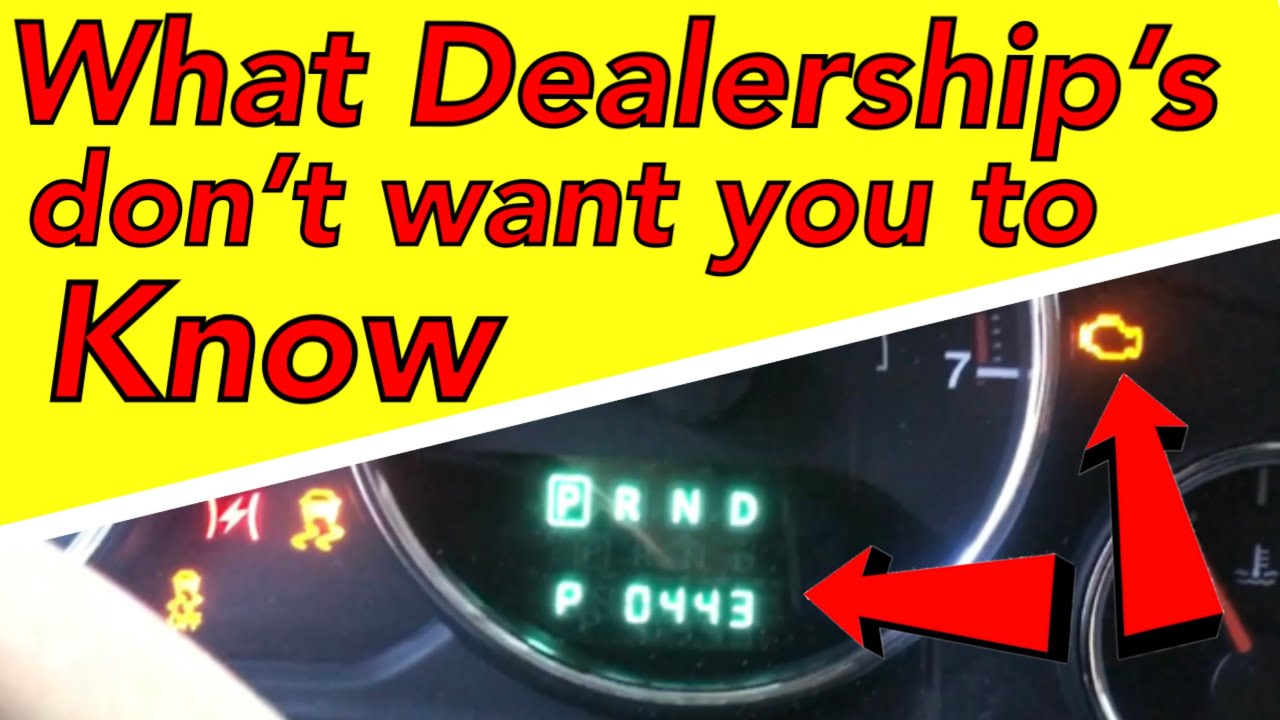
I once fixed a Jeep that kept throwing a check engine light. I cleared codes three times. The light kept returning. Finally I logged the code and inspected the EVAP hoses. A cracked hose was the culprit. After replacing it and clearing codes with a scanner, the light stayed off. Lesson: never skip the scan and visual inspection.
Tips I use in the shop:
- Always take a photo of the code screen. It saves time later.
- Label any disconnected sensors with tape. It helps during reassembly.
- Use a trusted low-cost OBD-II reader. It pays for itself in time saved.
Frequently Asked Questions of how to reset jeep check engine light
What is the safest way to reset the check engine light on a Jeep?
Use an OBD-II scanner to read and clear codes after repairs. It preserves diagnostic info and verifies readiness monitors.
Will disconnecting the battery reset the check engine light?
Yes, disconnecting the negative terminal can clear codes and reset the light, but it also clears stored settings and may not fix persistent faults.
Can I drive my Jeep with the check engine light on?
You can drive if the light is steady and the car runs normally, but you should scan for codes soon. If the light is flashing, stop driving and seek help.
How long does it take for the light to come back after a reset?
If the underlying problem is fixed, the light stays off after the vehicle completes its drive cycle. If the issue remains, the light can return immediately or after a short drive.
Do I need to clear readiness monitors after resetting codes for inspection?
Yes, clearing codes also clears readiness monitors. You must complete a full drive cycle to set monitors before an emissions test.
Conclusion
Knowing how to reset jeep check engine light starts with diagnosing the cause. Use an OBD-II scanner, record codes, repair the root issue, then clear codes and complete a drive cycle. That approach keeps your Jeep reliable, saves money, and prevents hidden damage. Try these steps on your next check engine event, keep a log of codes, and share your results or questions below — your experience helps other Jeep owners.