You can generally drive 4H in a Jeep Wrangler at moderate speeds; keep it under 55 mph on pavement.
I have spent years driving Jeeps on trails, dirt roads, snow, and pavement. I know the Jeep Wrangler systems and common pitfalls. This article explains how fast can you go in 4H Jeep Wrangler, why the limits exist, and safe speed ranges for different surfaces. Read on for clear guidance, real-world tips, and simple rules you can apply the next time you flip into 4H.

Understanding 4H on a Jeep Wrangler
4H stands for four-wheel drive high. It locks power to front and rear axles to improve traction. On many Wranglers, 4H is part-time four-wheel drive meant for loose or slippery surfaces. Using 4H on dry pavement can cause driveline binding, extra wear, and handling issues. How fast can you go in 4H Jeep Wrangler depends on the model, road surface, and transfer case type.
Common transfer cases in Wranglers include part-time systems and full-time systems. Part-time systems should not be used on high-traction surfaces for long. Full-time or all-wheel systems allow higher speeds on pavement. Always check your owner’s manual for model-specific guidance.

How fast can you go in 4H Jeep Wrangler: On-road limits
If you must drive on pavement in 4H, follow simple speed rules. For most Jeep Wranglers with part-time 4WD, keep speeds under 55 mph on wet or snowy pavement. For icy or very slick roads, stay well below 55 mph and drive smoothly. For full-time or electronically controlled systems, highway speeds can be acceptable but check the manual.
Why these limits matter:
- Prevents driveline wind-up that strains gears and joints.
- Reduces tire scrub that damages tires and steering.
- Keeps handling predictable at higher speeds.
If you wonder how fast can you go in 4H Jeep Wrangler on a highway, aim for moderate speeds and avoid long highway runs in 4H unless the system is designed for it.

How fast can you go in 4H Jeep Wrangler: Off-road guidelines
Off-road, 4H is where the system shines. Safe speeds vary by terrain:
- Rocky, technical trails: 2 to 10 mph for control.
- Loose sand or mud: 10 to 25 mph depending on depth and traction.
- Fast dirt roads or gravel: 25 to 40 mph where visibility and surface allow.
On trails, speed is less about absolute mph and more about control. Use low range (4LO) for very slow, technical moves. Use 4H for higher-speed, low-traction surfaces where you need traction but still want higher gears. Always reduce speed for obstacles and blind crests.

Mechanical risks and why speed matters
Driving too fast in 4H on the wrong surface creates real mechanical risks. Key issues include:
- Driveline wind-up: Occurs when tires rotate at different rates on high-traction surfaces, stressing the transfer case and axles.
- Increased wear: Universal joints, CV joints, and differentials wear faster under constant binding.
- Tire damage: Tires scrub and overheat when forced to slip on pavement.
- Handling problems: Locked axles can change steering feel and increase understeer.
These are not hypothetical. I have seen transfer cases fail after repeated long runs in 4H on dry roads. Keep speeds conservative and switch to 2H when pavement traction is high.

How to choose the right speed in 4H — practical tips
Follow these simple rules to stay safe and protect your Jeep:
- Check the owner’s manual before driving at any sustained speed in 4H.
- Use 4H only on low-traction surfaces unless your Jeep has a full-time 4WD mode.
- Slow down before turns and obstacles to maintain control.
- Match tire pressure to terrain to reduce slip and driveline stress.
- Watch for warning signs like unusual vibration, binding, or difficulty steering—stop and shift out of 4H if needed.
A practical rule I use: if the road feels grippy, stay in 2H. If the surface is loose, snowy, or muddy, 4H and moderate speed are fine.

Real-world tests and personal experience
I have driven multiple Wranglers across seasons and terrains. Here are lessons I learned:
- On fresh snow, 4H gave steady traction at 35–50 mph on country roads. I stayed under 50 mph to avoid binding.
- On long roadway stretches after a storm, I switched to 2H as soon as conditions improved. This saved wear and reduced fuel use.
- On dirt highways, 4H felt stable at 40–45 mph but I eased off for corners and washboard sections.
If you rig a lift or larger tires, top speed and driveline loads change. Bigger tires can increase driveline stress in 4H. After upgrades, test slowly and pay attention to noises and vibration.

People Also Ask
What happens if I drive on pavement in 4H?
- Driving on dry pavement in part-time 4H can cause driveline binding, extra wear, and poor handling. Short, slow runs are less risky, but avoid sustained highway use.
Can I use 4H on highways when it’s snowing?
- If conditions are slippery and the system is part-time 4WD, limited highway use in 4H is acceptable at moderate speeds. Keep speeds conservative and switch to 2H when pavement clears.
Does 4H reduce fuel economy?
- Yes. 4H increases mechanical drag and reduces fuel efficiency compared with 2H. The difference is more pronounced at higher speeds.
Is 4H the same as 4WD lock?
- 4H engages four-wheel drive in high range, while 4WD lock or 4LO refers to low-range gearing for slow, high-torque situations. They serve different purposes.
Should I shift to 2H after leaving a snowy patch?
- Yes. Switch back to 2H once traction is consistent to avoid wear and improve fuel economy. Shifting as conditions change protects your drivetrain.
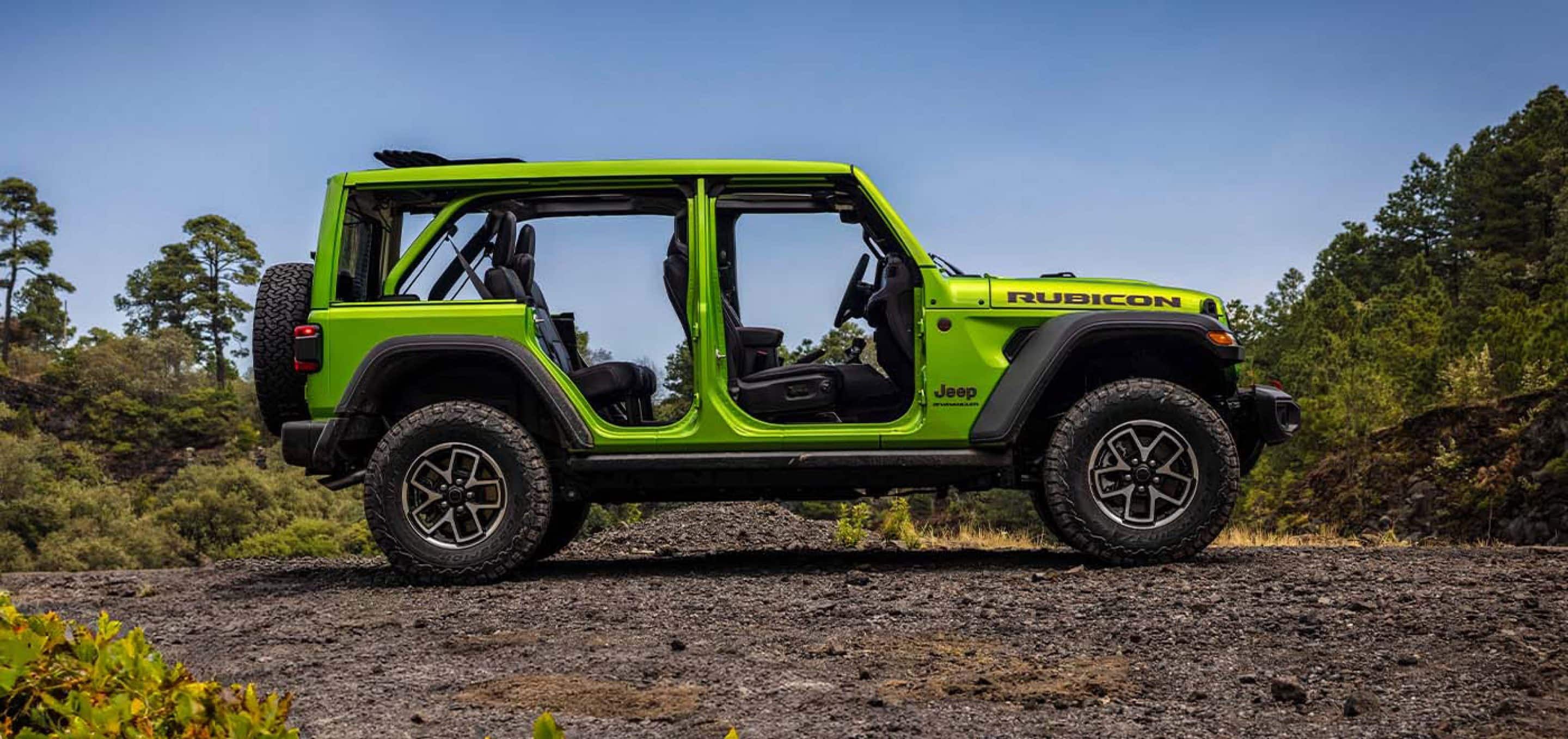
Frequently Asked Questions of how fast can you go in 4h jeep wrangler
What top speed is safe in 4H on a Jeep Wrangler?
A safe top speed in 4H on pavement is generally under 55 mph for part-time systems. For slippery roads, lower speeds are better, and full-time systems may allow higher limits—check your manual.
Can I drive 70 mph in 4H on the interstate?
Driving 70 mph in 4H is not recommended for most part-time Wrangler systems due to driveline stress. If your Jeep has full-time 4WD or an automatic mode designed for highway use, follow the manufacturer’s guidance.
Will driving in 4H damage my transfer case?
Sustained use of 4H on dry pavement can cause transfer case and axle damage due to binding. Short, low-speed use on slick surfaces is usually safe, but avoid prolonged use on high-traction roads.
How do I know if my Jeep has a part-time or full-time 4WD system?
Check the owner's manual or the transfer case labeling. Part-time systems often have a 2H/4H/4L selector. Your dealer can confirm the exact setup for your model.
Does tire size affect how fast I should drive in 4H?
Yes. Larger tires change gear ratio and load on the driveline. After installing larger tires, limit speeds in 4H until you test handling and drivetrain feel at lower speeds.
Conclusion
Knowing how fast can you go in 4H Jeep Wrangler comes down to your Jeep’s drivetrain, the surface, and safety. Use 4H for slippery or loose surfaces, keep speeds moderate on pavement, and switch back to 2H when traction improves. Test changes slowly, listen for warning signs, and follow your owner’s manual. Take action: check your manual, test your Jeep at low speeds in 4H, and leave a comment about your experiences or questions.